Israel accredits Somaliland's first ambassador: What to know
Israel was the first country to recognize the breakaway region on the Horn of Africa last year.

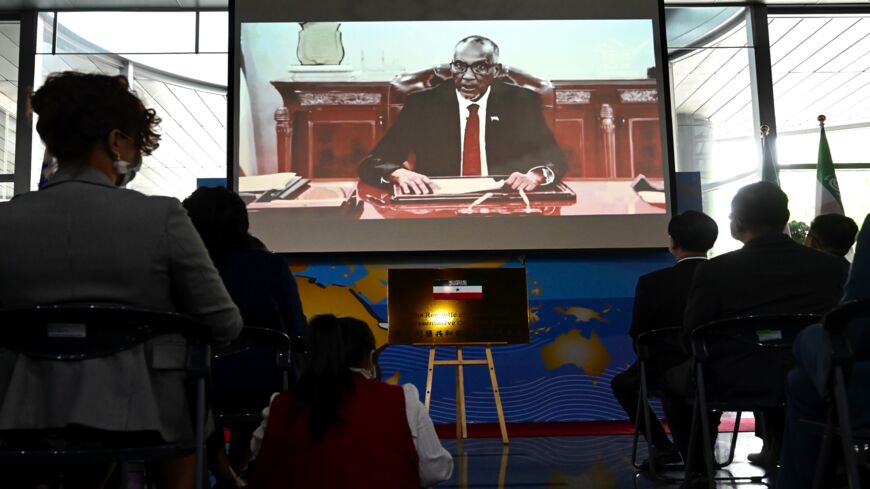
Somaliland’s first ambassador to a foreign country formally presented his diplomatic credentials in Israel on Monday, in another sign of deepening ties between the two sides after Israel recognized the territory late last year.
What happened: Mohamed Hagi presented his credentials to Israeli President Isaac Herzog, becoming the first Somaliland envoy formally accredited to a foreign government since the territory declared independence from Somalia in 1991.
The Republic of Somaliland proudly marks the formal presentation of the Letters of Credence of Dr. Mohamed Omar Hagi Mohamoud to H.E. President Isaac Herzog as Somaliland’s first Ambassador Extraordinary and Plenipotentiary to the State of Israel. pic.twitter.com/lrsZSnxeVH
— MFA Somaliland (@somalilandmfa) May 18, 2026
After presenting his credentials, Hagi met with Israeli Foreign Minister Gideon Saar, who later wrote on X that he would “continue building the relationship with Somaliland.”
Hagi, who was appointed ambassador in February, previously served as an adviser to Somaliland President Abdirahman Mohamed Abdullahi and as the chief representative of Somaliland in Taiwan.
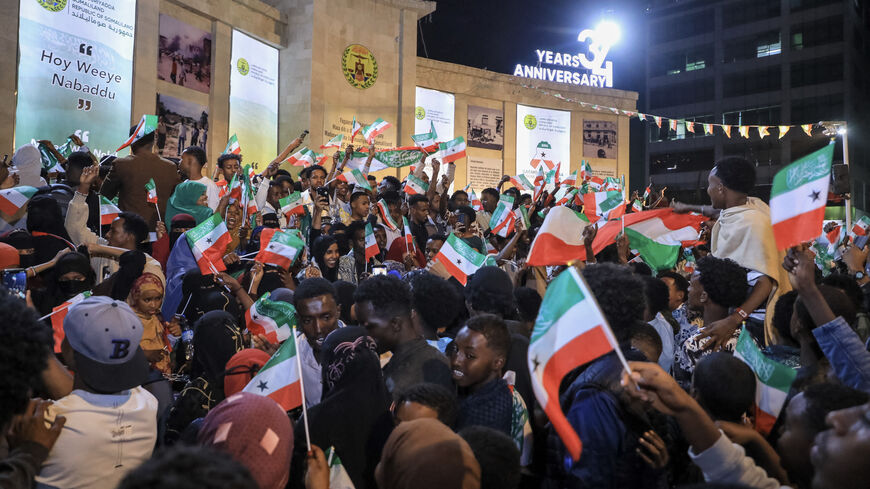
Background: Monday’s ceremony marks another milestone in the rapidly expanding relationship between Israel and Somaliland following Israel’s decision in December 2025 to recognize Somaliland’s independence — making it the first and only country to do so. Somaliland, a self-governing territory in the Horn of Africa, has sought international recognition for more than three decades since breaking away from Somalia following the country’s civil war. In January, Saar visited the territory.
In April, Israel’s cabinet confirmed Michael Lotem as its first ambassador to Somaliland. Lotem previously served as Israel’s ambassador to Kenya, Azerbaijan and Kazakhstan and is currently serving as a nonresident ambassador, according to The Jerusalem Post.
Israeli outreach to Somaliland has sparked criticism from the international community and Somalia, which continues to view Somaliland as part of its sovereign territory. Israel’s recognition of Somaliland in December received pushback from the European Union, the Arab League and the African Union. The AU said that Israel’s recognition of the territory “risks setting a dangerous precedent with far-reaching implications for peace and stability across the continent.”
The US State Department said in December that the US continues to recognize Somalia’s territorial integrity, “which includes the territory of Somaliland.”
Know more: Somaliland’s position along the Gulf of Aden, directly across from Yemen, has increased its strategic significance amid rising tensions involving Iran and its regional allies. With the Strait of Hormuz facing major disruptions amid the US-Israel-Iran war, the Gulf of Aden and the Bab el-Mandeb Strait have become even more critical corridors for global shipping and energy transit.
The Iran-backed Houthis, who control large parts of northern Yemen, have repeatedly threatened to close the Bab el-Mandeb Strait — the key maritime chokepoint linking the Red Sea to the Gulf of Aden and the Indian Ocean.
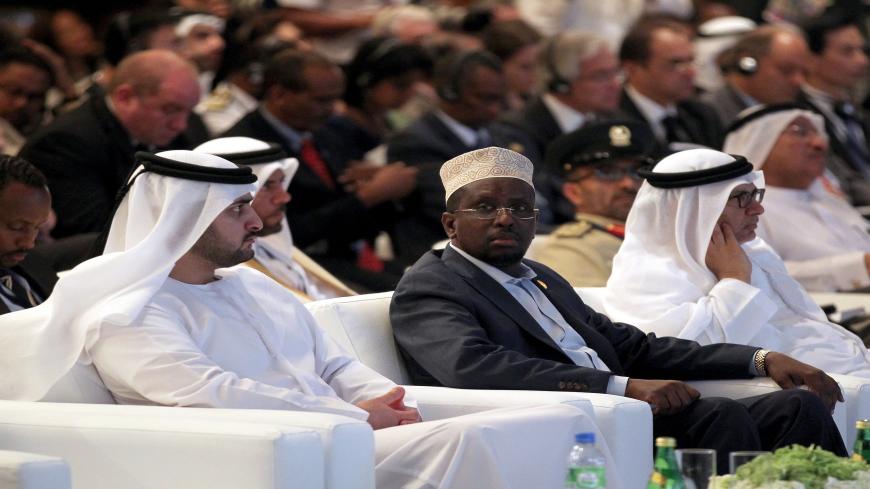
Somaliland’s strategic location has also drawn increasing attention from the United Arab Emirates. The UAE has been involved in port operations and infrastructure projects in Somalia’s semi-autonomous regions of Puntland and Jubaland, as well as in Somaliland. Somaliland’s Berbera Port is majority-owned and operated by the UAE’s DP World under a long-term agreement.
In January, Somalia’s federal government announced the cancellation of agreements with the UAE, accusing Abu Dhabi of undermining Somali sovereignty after Abu Dhabi allegedly helped a Yemeni separatist leader flee the country through Somalia. Despite the move by Mogadishu, UAE-linked operations in Somaliland, Puntland and Jubaland have continued.