War in Middle East: latest developments


Here are the latest developments in the Middle East war:
- 'Good progress' in Iran talks -
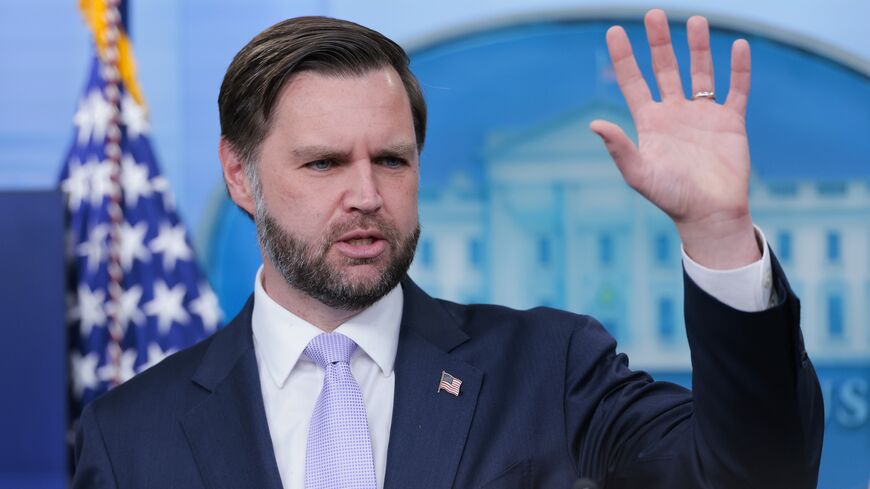
US Vice President JD Vance said Tuesday that Iran talks are making "good progress" but Washington was "locked and loaded" to restart military operations if there is no deal.
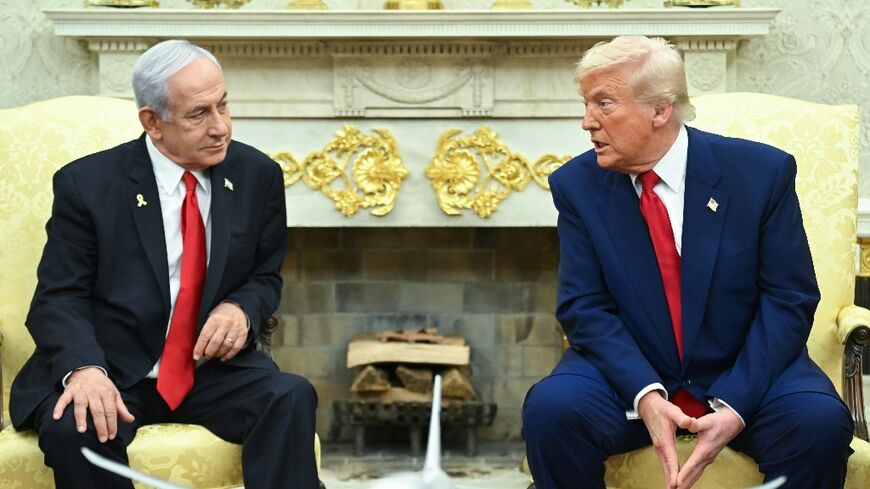
Vance's comments came hours after President Donald Trump said he had come within an hour of ordering fresh strikes and gave Tehran "two or three days" to reach an agreement.
- Strike on nuclear plant condemned -
Russia joined other UN Security Council members on Tuesday to condemn the drone strike on the UAE's Barakah nuclear power plant, which Abu Dhabi said originated from Iraq where pro-Iranian proxies are active.
The unclaimed drone struck an electrical generator on Sunday near the Arab world's first nuclear power plant in Barakah in the emirate of Abu Dhabi, triggering a fire but causing no injuries nor radiation leak.
- 19 killed in Lebanon -
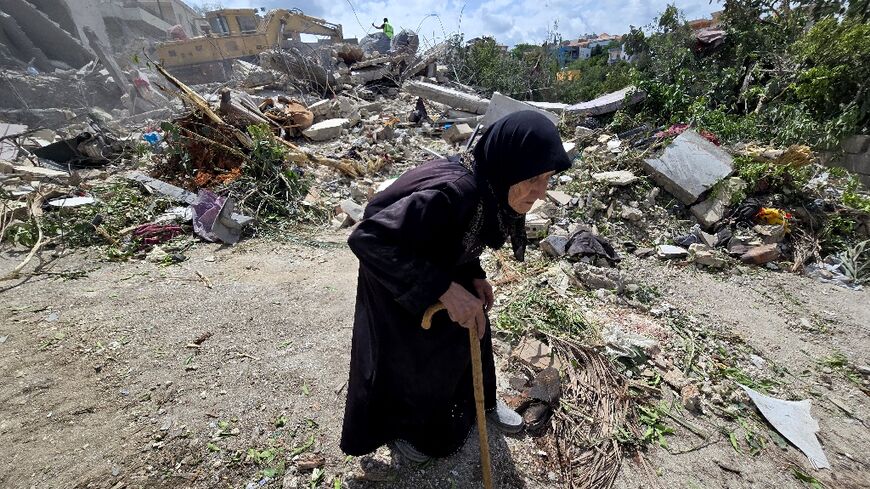
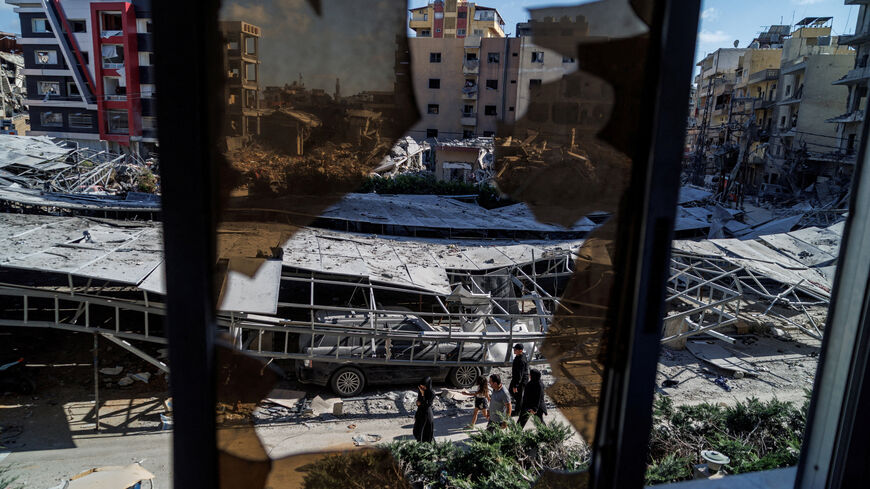
Israeli strikes on south Lebanon Tuesday killed 19 people, the Lebanese health ministry said, as Hezbollah reported clashes with Israeli troops despite a truce in the war.
The ministry said 10 died in a strike on the town of Deir Qanun al-Nahr in the Tyre district, including three children and three women. A woman was among nine killed in other strikes across the south.
The Israeli military had previously issued evacuation warnings for 12 Lebanese towns, 11 of them in the south and one in the eastern Bekaa area.
- US permanent resident freed in Iran -
An Iranian citizen who holds permanent residency in the United States has been released from prison in Iran and has returned to the US, a rights group said Tuesday.
"Shahab Dalili, an Iranian citizen and US permanent resident who had been imprisoned in Evin Prison, was released after serving 10 years in prison. Following his release, he returned to the United States," the Human Rights Activists News Agency (HRANA) said, in a statement.
- US probe on school strike continues -
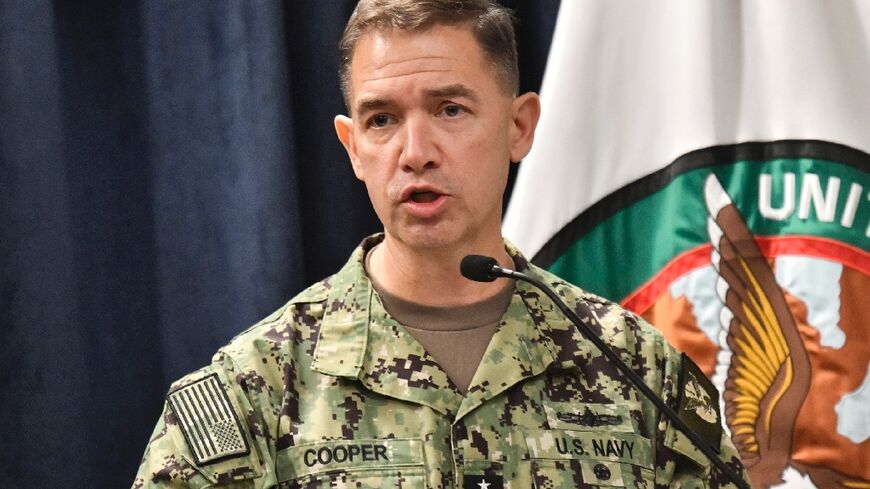
A top commander of US forces in the Middle East avoided taking responsibility Tuesday for an attack on a school in Iran that left 155 people dead on day one of the war, insisting a "complex" probe continues.
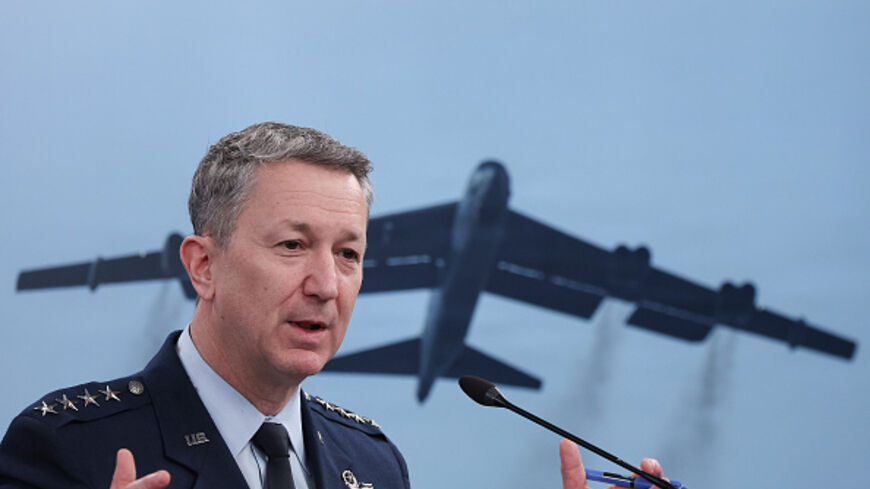
Admiral Brad Cooper, the commander of US Central Command, told a congressional oversight panel that "the school itself is located on an active IRGC cruise missile base," making the investigation "more complex than the average strike." IRGC stands for Iran's Islamic Revolutionary Guard Corps.
- Fertiliser aid -
Brussels will provide "exceptional support" to farmers affected by soaring fertiliser costs caused by the Iran war, the European Union's agriculture commissioner Christophe Hansen told the European Parliament.
He said the EU would seek to boost an agriculture crisis reserve fund by "a substantial amount".
- Iran threatens 'new fronts' -
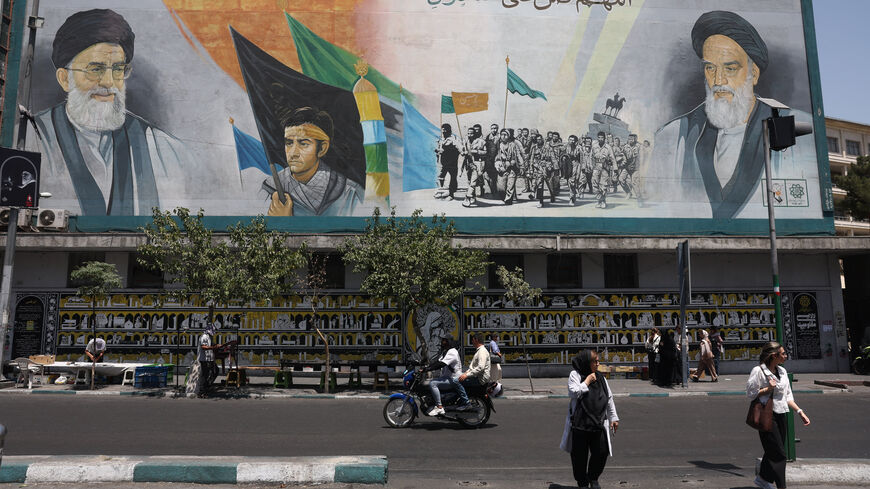
Iran's army warned it would "open new fronts" against the United States if it resumes attacks, after Trump said he had held off launching a new offensive in hopes of striking a deal.
"If the enemy is foolish enough to fall into the Zionist trap again and launches new aggression against our beloved Iran, we will open new fronts against it, with new equipment and new methods," said army spokesman Mohammad Akraminia, according to Iran's ISNA news agency.
- G7 vows cooperation -
G7 finance ministers vowed multilateral cooperation to address challenges to economic stability due to the war, after talks in Paris which underscored tensions between the US and its allies.
"We have had frank, sometimes difficult, direct discussions to find long-term and short-term solutions to major global economic challenges in order to guarantee economic stability," said French Finance Minister Roland Lescure.