Hezbollah chief rejects truce, demands Israeli withdrawal from Lebanon


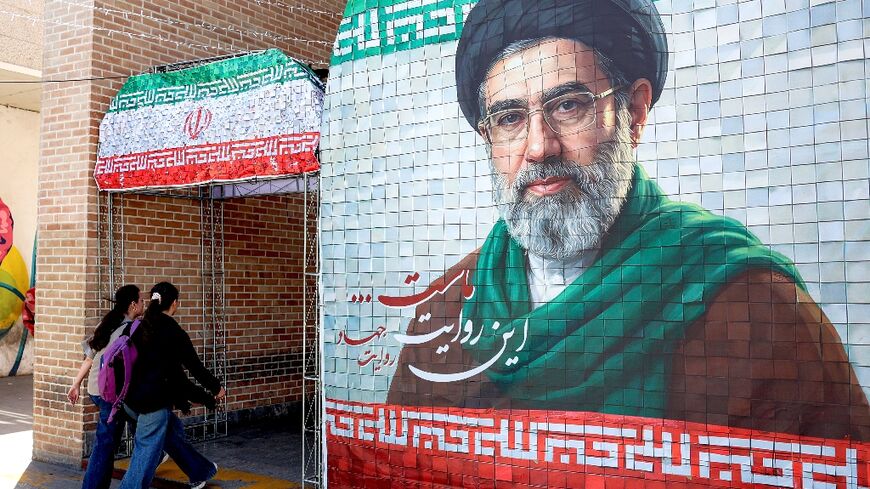
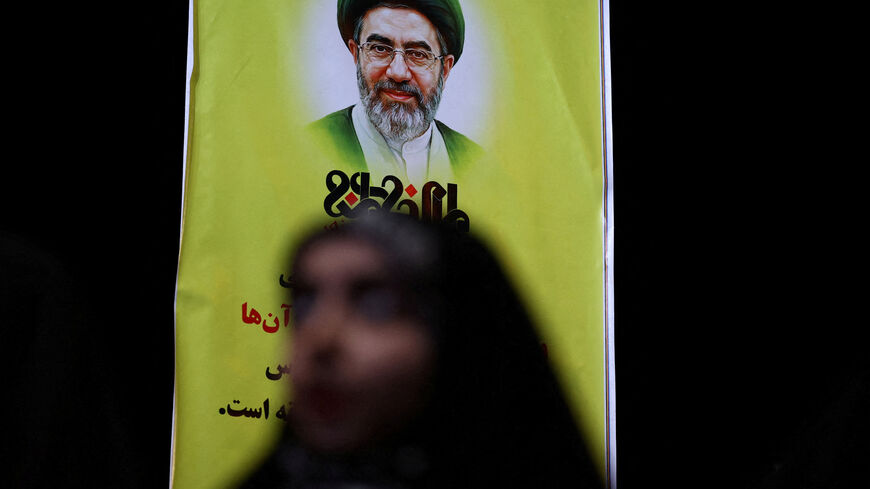
Hezbollah's chief on Thursday rejected a conditional truce announced by Lebanese and Israeli envoys, demanding a comprehensive ceasefire and full Israeli withdrawal instead as he threatened northern Israel with new attacks.
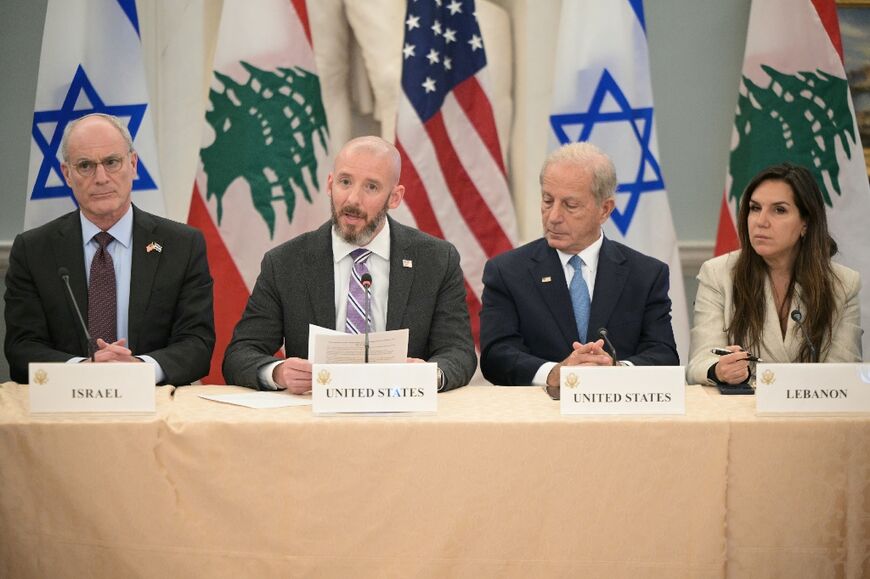
Naim Qassem's message came after Lebanese and Israeli representatives in the United States agreed to a conditional ceasefire that Lebanon's president called the "last chance" for a durable end to the fighting.
Lebanon was drawn into the wider Middle East war when Hezbollah attacked Israel on March 2 to avenge the February 28 killing of Iran's supreme leader.
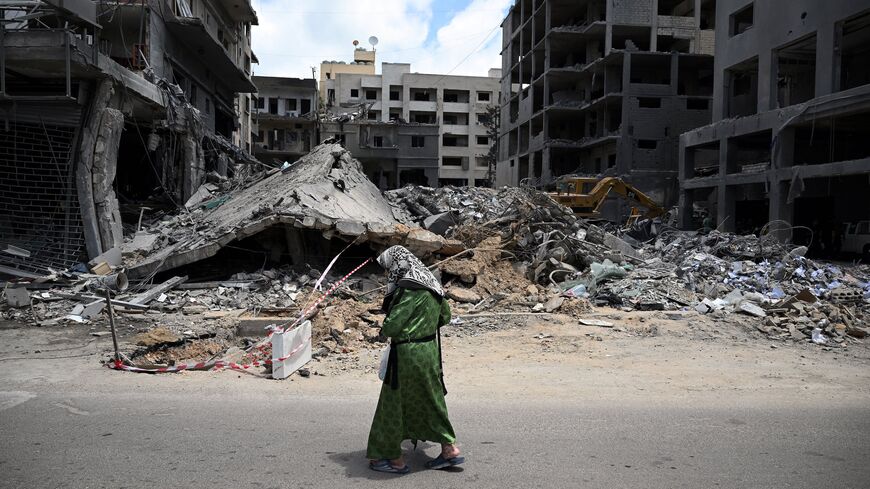
Hezbollah has rejected the Israel-Lebanon talks, while a previous ceasefire announced on April 17 has been breached daily, with Israeli troops deployed deep inside Lebanese territory and the Iran-backed militants continuing to attack Israel.
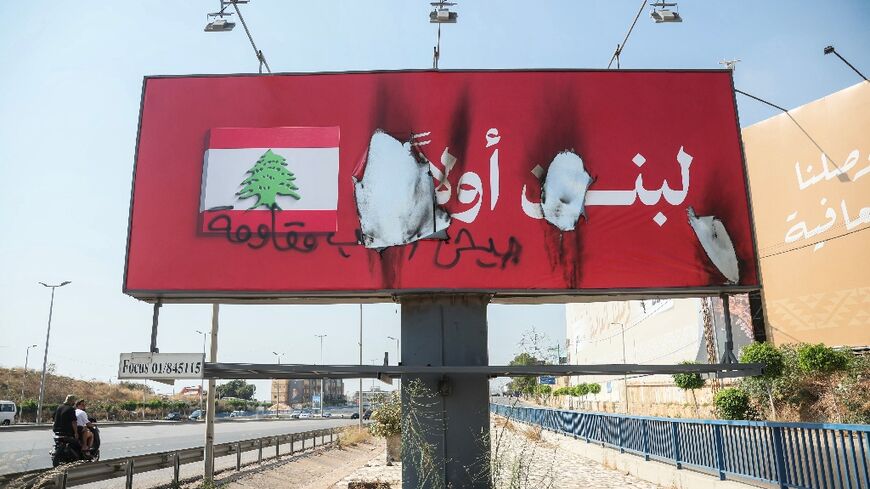
"The ceasefire must be comprehensive... without the Israeli enemy having the freedom to kill," Qassem said Thursday, urging the government to halt "the farce and humiliation called direct talks" with Israel.
He also vowed that "as long as our villages are unsafe -- being bombed, destroyed and our people killed -- the settlements (north Israel) are unsafe".
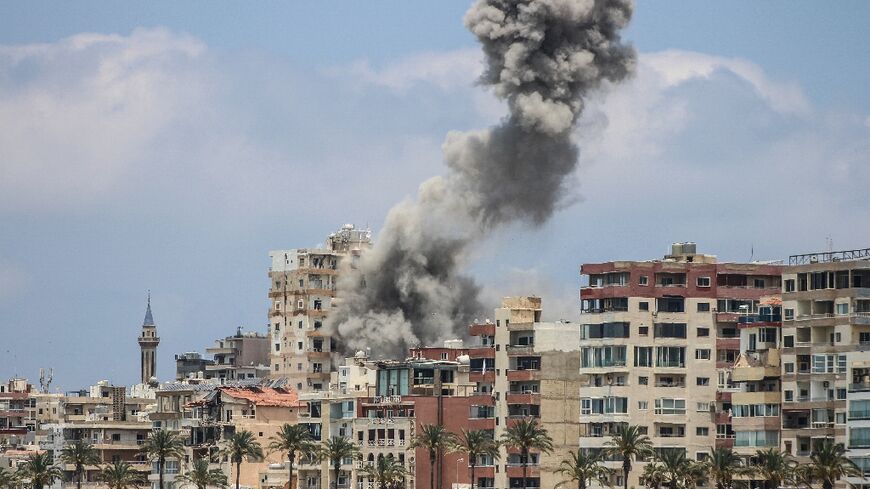
The speech followed new Israeli strikes on Lebanon and fresh threats against Beirut by Israeli Defence Minister Israel Katz, who said that the army will "at this stage, continue its fire and ground operations... without the return of the population, while continuing to dismantle terrorist infrastructure".
- 'Freedom of action' -
Israeli forces also retain the "freedom of action, with American backing, to strike in Beirut in response to fire on Israeli communities and territory", he added.
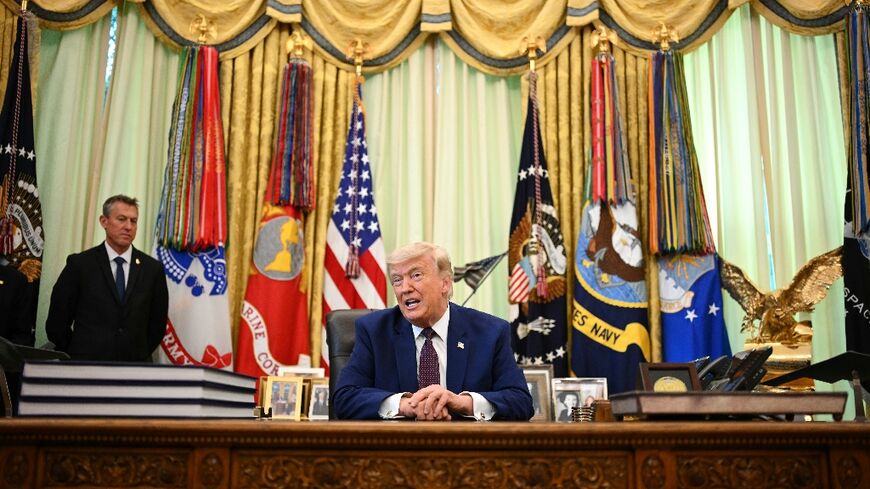
According to a statement issued after the meeting in Washington, the two sides -- which do not have formal diplomatic relations -- had agreed to create "pilot zones" in which the Lebanese army "will take exclusive control of the territory to the exclusion of all non-state actors".
In south Lebanon, a United Nations peacekeeper was killed and two others were wounded, the UNIFIL force said, when one of its bases was hit the previous night.
Belgrade said he was a Serbian, with seven blue helmets now killed since the latest war erupted in March. Israel blamed Hezbollah for his death, while the militant group rejected the accusation and offered condolences to the family of the soldier.
UN Secretary-General Antonio Guterres, speaking via a spokesman, condemned the killing and called for an investigation.
- 'Words on paper' -
Speaking of the deal announced in Washington, Lebanese President Joseph Aoun said it represented "the last chance to enter into a final, comprehensive ceasefire".
Hezbollah's Qassem, however, said that Hezbollah pulling back would amount to "surrender and defeat".
Esmail Qaani, the head of Iran's Quds Force -- the foreign arm of its powerful Revolutionary Guards -- insisted Israel withdraw to its pre-war positions in Lebanon as a "minimum demand".
Mohammad Chamseddine, 56, from Beirut's southern suburbs, told AFP "this isn't the first time there's been a ceasefire and Israel violates it".
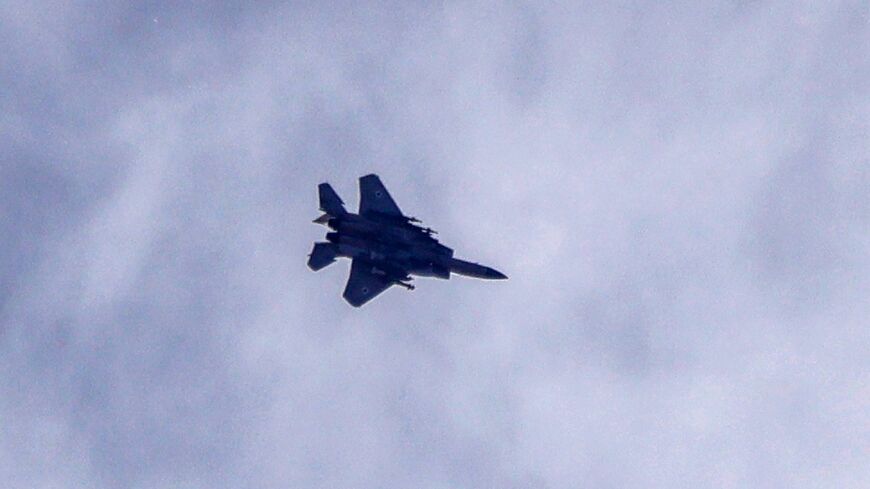
As an Israeli drone buzzed overhead, Chamseddine said the ceasefire for now was just "words on paper. I won't believe it until I see it on the ground. How can a ceasefire be on one side only?"
Lebanon's state-run National News Agency (NNA) reported strikes in more than 40 locations in Lebanon's south and east on Thursday.
The health ministry said eight people were killed by Israeli strikes on Thursday, five in a strike on eastern Lebanon and three in an attack near the southern city of Tyre.
Meanwhile, the Israeli military said one of its soldiers "fell in combat" in southern Lebanon, with a military official telling AFP he was killed by a Hezbollah missile.
It brings to 27 the number of Israeli soldiers killed in Lebanon since the start of the latest war, alongside one civilian contractor.
Israel's military earlier renewed a warning to Lebanese not to cross the Zahrani River, around 45 kilometres (28 miles) from the border, after it last week declared all areas south of the river "combat zones".
Earlier on Thursday, the Israeli military said air raid sirens sounded in northern Israel, with one incident involving a "suspicious aerial target" resolved, while another incident was found to be a false alarm.
Hezbollah on Thursday claimed several attacks on Israeli troops who have invaded south Lebanon.
burs/dcp/sbk