Israel strikes south Beirut after intercepting Hezbollah launches


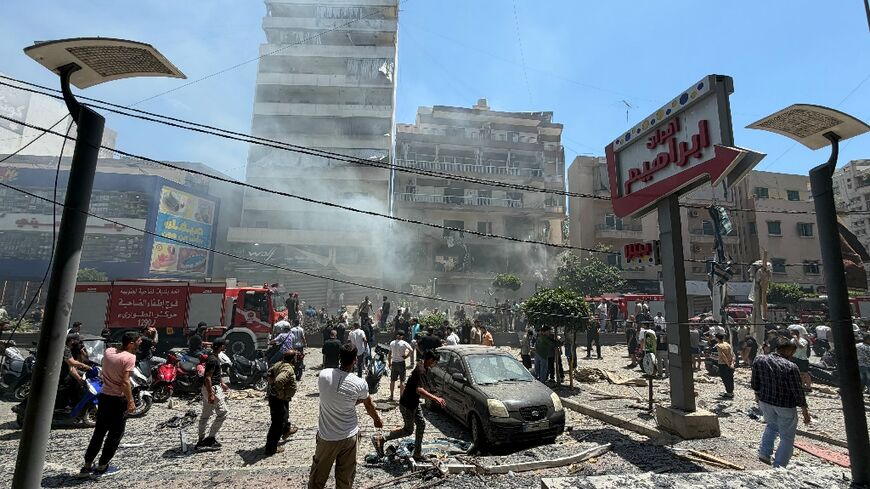
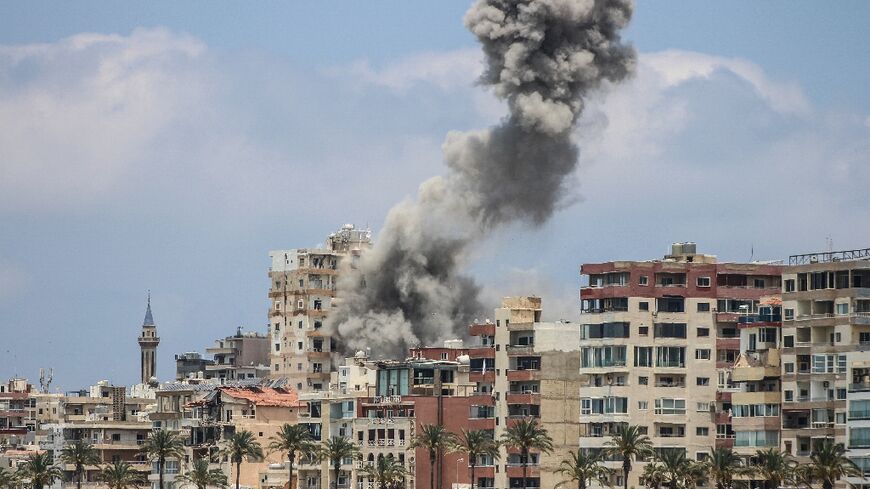
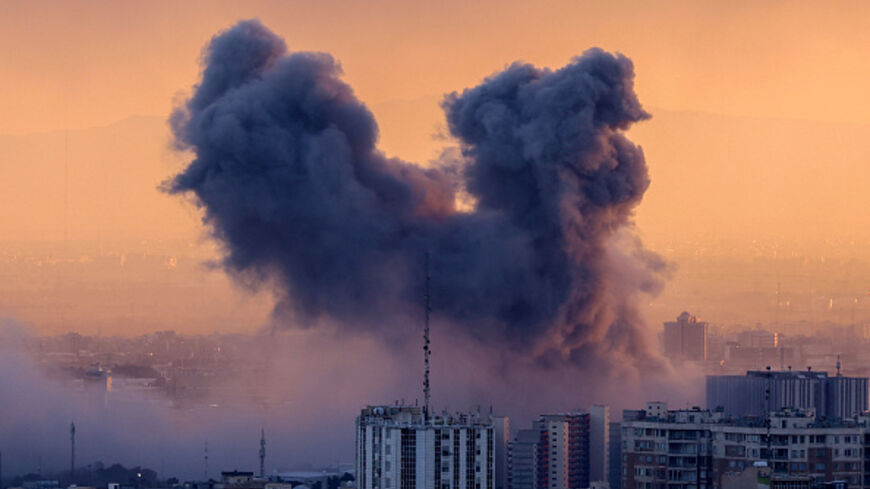
Israel's military struck Beirut's southern suburbs on Sunday, hitting apartments in two buildings after saying it had intercepted rockets launched by Hezbollah into Israeli territory.
The Lebanese health ministry said the attack in the capital killed two people and wounded 20 others, including four children and four women.
Israel and Hezbollah regularly exchange fire in southern Lebanon but the capital -- including districts seen as bastions of the Iran-backed group -- has been relatively spared of late, having been struck only twice since mid-April.
Israeli Prime Minister Benjamin Netanyahu's office announced the army "just struck a militant command centre in Beirut's Dahiyeh district, in response to Hezbollah's fire towards Israeli territory".
In a separate statement, the Israeli military said that after Hezbollah had launched rockets towards civilian targets in Israel, a "precise strike" was conducted against one of the group's command centres, adding "steps were taken to mitigate harm to civilians".
Hezbollah later confirmed having launched missiles and drones that it said targeted a pair of army barracks in northern Israel early on Sunday.
The Israeli response in Beirut "targeted two apartments in two buildings", according to Lebanon's state-run National News Agency.
An AFP photographer saw two apartments damaged on a narrow street, and traffic congestion as residents tried to leave the suburb while the Lebanese army deployed to the area.
Earlier this week in Washington, Lebanese and Israeli envoys touted a conditional truce agreement that would have required Hezbollah to stop firing and withdraw from near the Israeli border.
But Hezbollah rejected the agreement, demanding a full Israeli withdrawal from Lebanese territory.
Even after the deal was announced, Israel warned it would strike Beirut's southern suburbs should Hezbollah attack northern Israel.
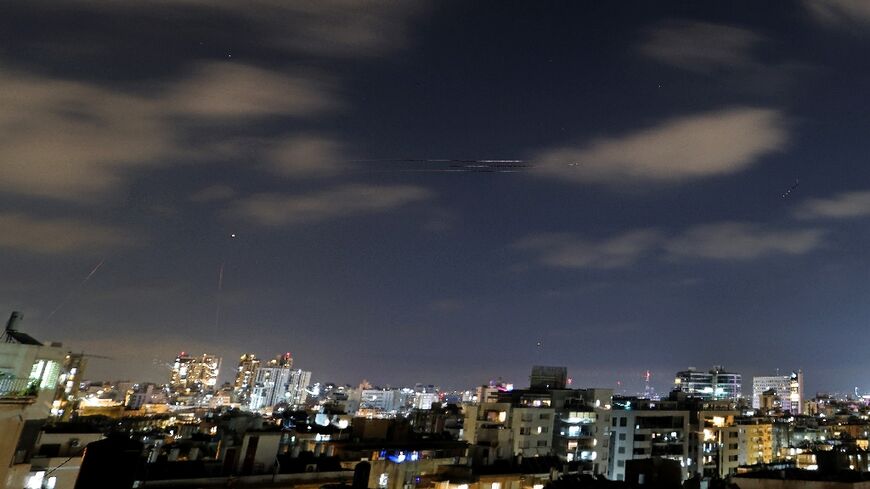
Air raid sirens sounded on the Israeli side of the border earlier on Sunday, and the military said "two projectiles that crossed from Lebanon into Israeli territory were intercepted".
- Iran threats -
Lebanon was drawn into the Middle East war when Hezbollah fired rockets at Israel on March 2 in support of its patron Iran.
Tehran has since insisted that any deal to end the wider war -- paused by a separate April ceasefire -- must also halt the fighting in Lebanon.
Iran's chief negotiator and parliamentary speaker, Mohammad Bagher Ghalibaf, accused the United States of giving Israel the "green light" for the Beirut strike and threatened retaliation.
"Our armed forces, as always, are free to act," he said.
The spokesman for the Iranian parliament's national security commission, Ebrahim Rezaei, also warned of "a decisive and painful response" to Sunday's strikes.
Iran's insistence that the conflicts are linked has complicated negotiations for Washington. In an interview aired Sunday, US President Donald Trump called for Israel to take a more precise approach.
"I'd like to see a more surgical attack on Hezbollah," he told NBC's "Meet the Press" in an interview conducted Friday. "I'd like to see Lebanon have a better life."
- Tyre warning -
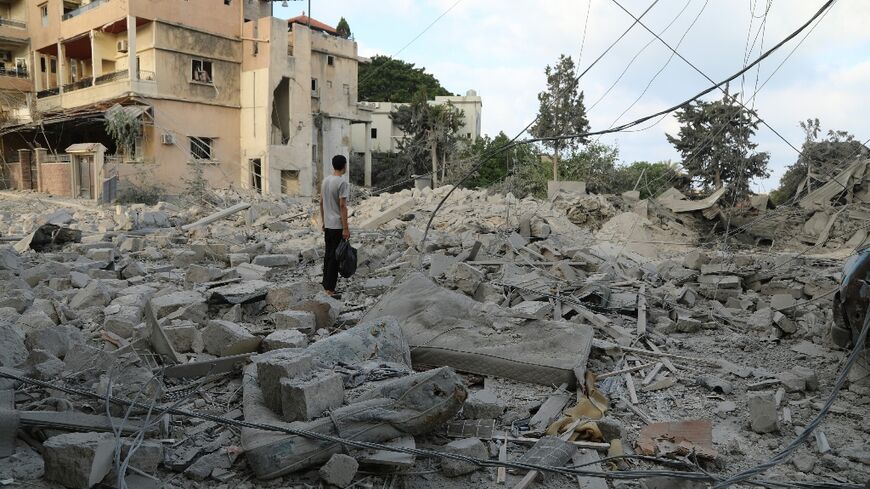
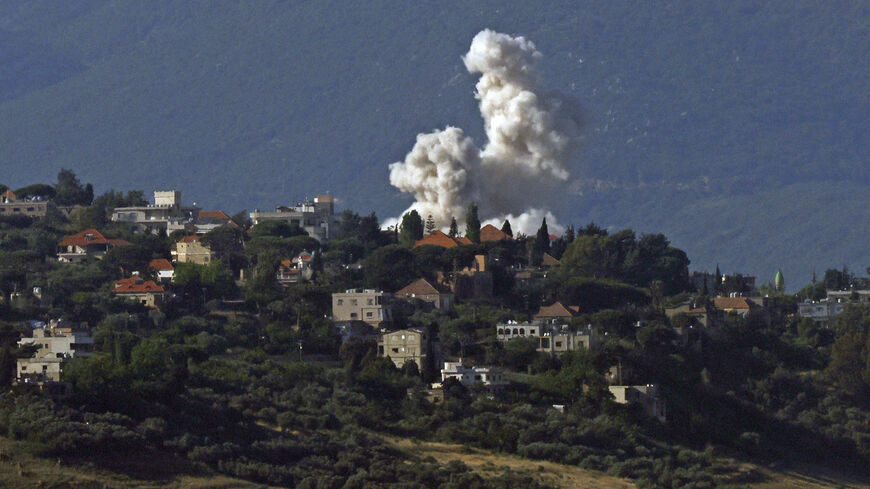
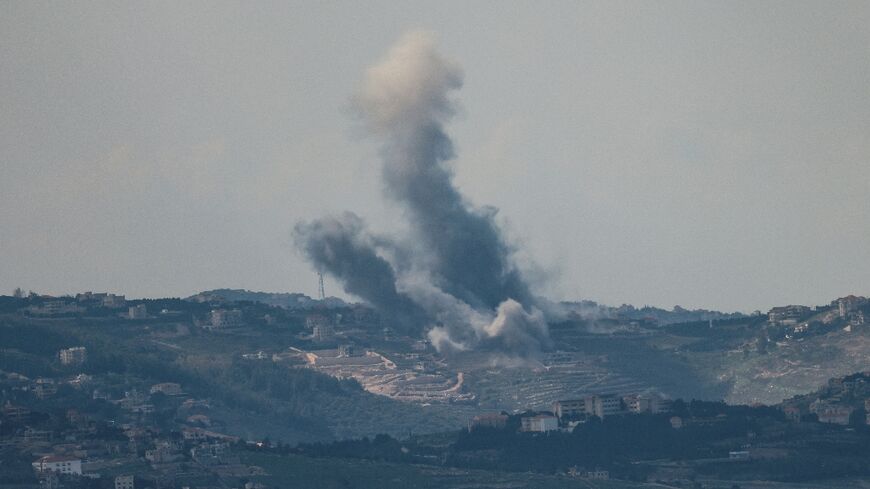
Lebanon's NNA reported a series of Israeli strikes across the south Sunday.
The attacks come a day after at least five people were killed in Israeli strikes according to Lebanese authorities, including Lebanese troops, one of them a general.
On Sunday, the Israeli military issued an evacuation warning for most of Tyre and its surroundings.
The coastal city shelters thousands of displaced people and has been heavily bombed since the fighting began.
Civil defence teams evacuated around 500 families from schools that had been converted into shelters and transferred them to the city's Christian quarter, which was not included in the warning, an AFP correspondent reported.
Near Sidon, a bit further north, three members of the same family and a rescue worker killed in an Israeli airstrike were buried on Sunday.
At least 131 rescuers have been killed by Israel in this war, according to Lebanon's health ministry.
"We do not carry rockets, our only weapon is the bread we deliver to people. They went and gave the family bread, but as they were leaving, a drone struck them," rescuer Qassem Foani told AFP.
Israel's extensive campaign of airstrikes and a ground invasion have killed more than 3,600 people, according to Lebanon's health ministry.