Rubio calls on Iran to open Strait of Hormuz as deal seems uncertain
The top US diplomat said Iran’s uranium stockpile and enrichment levels are “highly technical matters” that could take months to resolve.


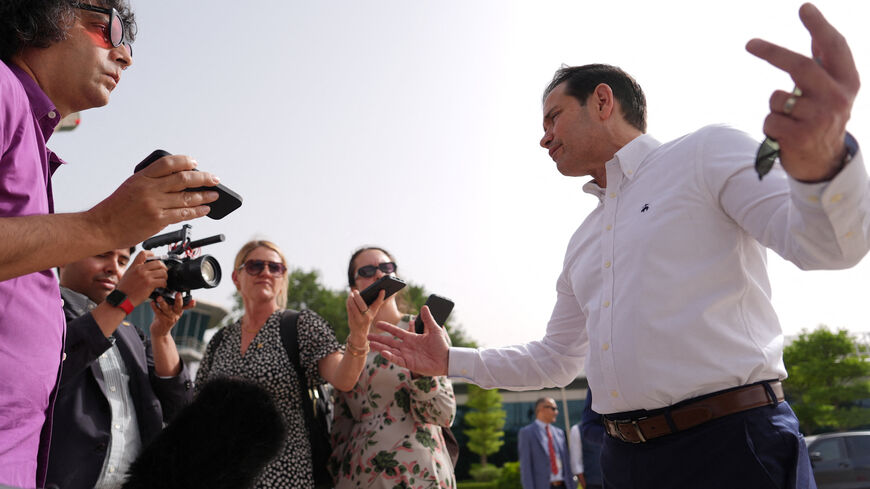
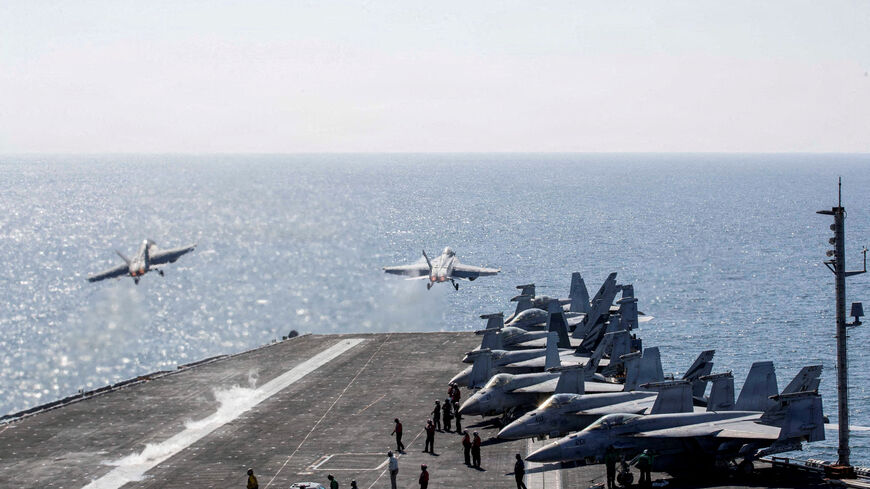
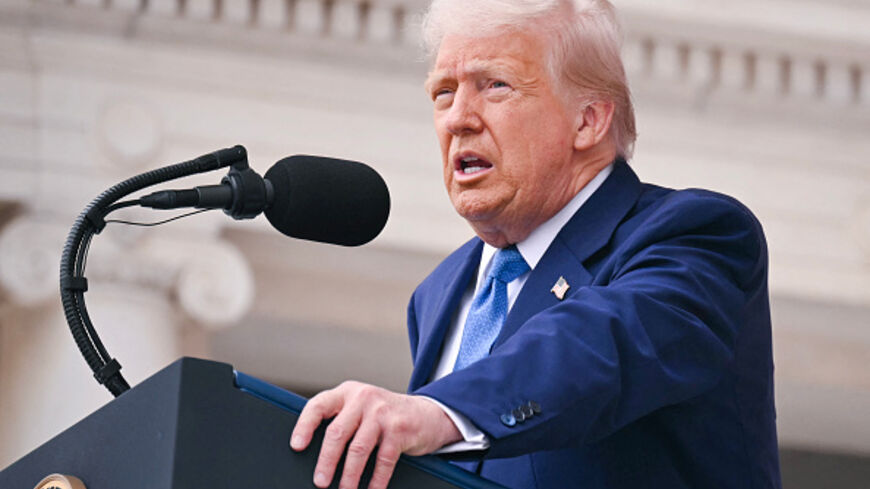
WASHINGTON — Secretary of State Marco Rubio defended the war against Iran as having degraded the Islamic Republic’s conventional military capabilities even as he conceded that a nuclear agreement remains uncertain.
An interim deal with Iran could “happen today; it could happen tomorrow; it could happen next week,” Rubio told lawmakers in his first congressional testimony since the Iran war was launched on Feb. 28.
He acknowledged there is no guarantee that negotiations will lead to an agreement that will be “acceptable to the Senate or acceptable to the American people.”
“If it doesn't work out, then obviously we still have a problem with respect to their nuclear ambitions. But what they won't have is the conventional shield to hide behind any longer,” Rubio said.
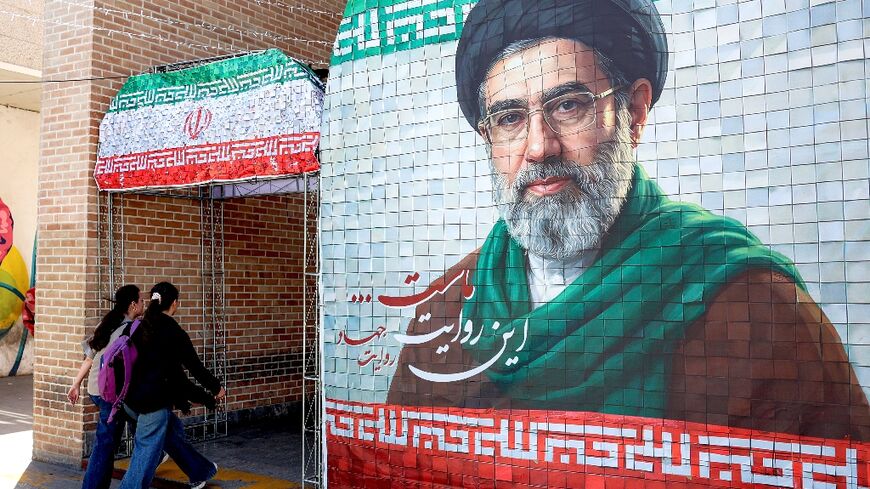
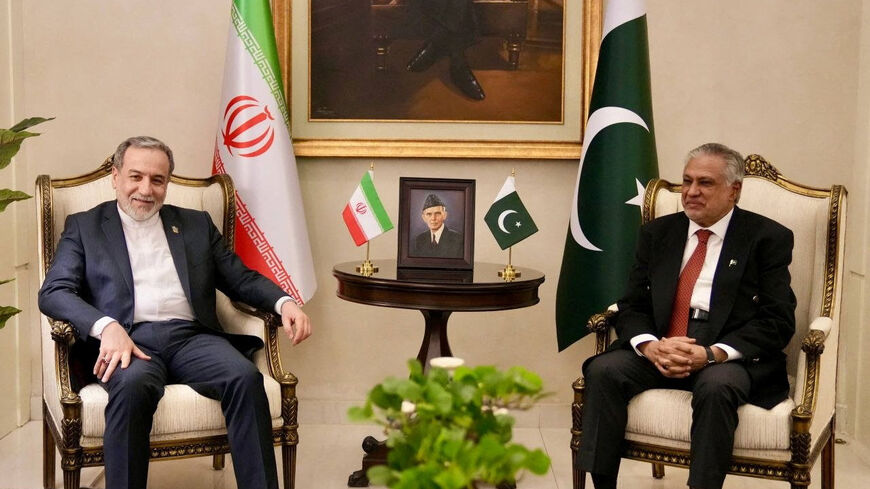
The top US diplomat fielded questions from the Senate Foreign Relations Committee as Iranian and American negotiators work to finalize a memorandum of understanding that would extend the current ceasefire by 60 days. Under the preliminary deal, Iran would reopen the Strait of Hormuz, the United States would facilitate the release of frozen Iranian assets and both sides would begin talks on Iran’s nuclear program and sanctions relief.
Rubio, who also serves as Trump’s national security adviser, is on Capitol Hill for two days of hearings on the State Department's budget request for the 2027 fiscal year.
He said that reopening Hormuz, which before the war handled 20% of the world's oil supplies, remains a prerequisite for further diplomacy with Tehran. “The first thing that is a predicate to anything else happening; the straits have to be reopened,” he told lawmakers.
“If they end that, we lift a blockade, then we enter into the second phase, which is the nuclear question on enrichment,” Rubio said.
Iran possesses about 970 pounds of uranium enriched to 60% purity that, if further enriched, is enough for 10 nuclear weapons, according to the International Atomic Energy Agency. Rubio described Iran’s stockpile and enrichment levels as “highly technical matters” that could take a team of experts months to resolve.
A number of Trump’s Republican allies, including Sens. Ted Cruz of Texas and Roger Wicker of Mississippi, have warned the emerging Iran deal could resemble President Barack Obama’s 2015 agreement if it leaves room for Iran to enrich some level of uranium.
Senator Cory Booker (D-N.J.) took aim at Rubio for pursuing “the exact deal that you guys vilified President Obama from having.”
Booker said the United States now finds itself in a “worse situation” where Iran “has discovered, thanks to you all, the power of shutting down the Strait of Hormuz.”
Rubio defended comparisons to the Joint Comprehensive Plan of Action, which provided Iran sanctions relief in exchange for restrictions on its nuclear program before Trump withdrew from the deal in 2018. He said any easing of sanctions would hinge on nuclear concessions, including eliminating enrichment entirely and dismantling its stockpile of enriched uranium.
“The more they give, the more they would get,” Rubio said. "What they're not going to get is a down payment."
Ceasefire under strain
The two sides have continued to trade fire despite a nominal truce in place since mid-April. Iran fired two ballistic missiles at Kuwait early Monday morning local time in retaliation for what the US military said were self-defense strikes carried out Sunday in the Iranian coastal city of Goruk and on Qeshm Island.
On Monday, Iran suspended talks with the United States in protest over Israel’s planned strikes on Hezbollah strongholds in Beirut, according to state media and an Iranian official who spoke with Al-Monitor on condition of anonymity.
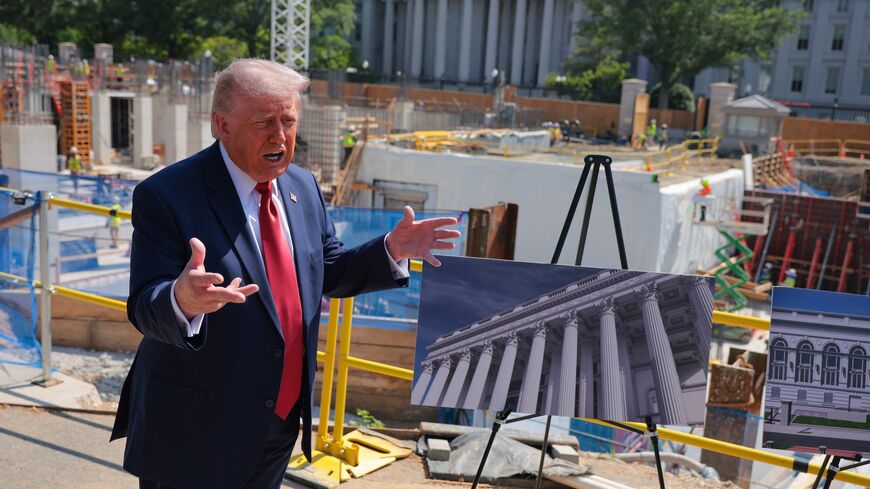
Later on Monday, President Donald Trump said he spoke with Israeli Prime Minister Benjamin Netanyahu and representatives of Hezbollah and persuaded them to halt their attacks. Rubio clarified that Lebanese authorities, including parliament speaker and Hezbollah ally Nabih Berri, informed the Trump administration on Sunday that the militant group would halt attacks inside Israel if Israel refrained from strikes on Beirut. On Tuesday, the Israeli military issued an evacuation warning for the southern Lebanese city of Nabatieh just hours before the State Department began a new round of peace talks between Israeli and Lebanese officials.
This developing story has been updated since initial publication.