Oman presents Iran with Gulf-backed plan for voluntary fees to use Hormuz


By Timour Azhari and Parisa Hafezi
DUBAI, July 28 (Reuters) - Oman has presented Iran with a plan backed by Gulf states to manage the Strait of Hormuz, including collecting voluntary fees for using it, a Gulf source and a Western diplomat told Reuters on Tuesday.
The Omani proposals are intended to serve as a basis to end the disruption to trade through the strait caused by the U.S.-Israeli war on Iran.
But a U.S. official on Tuesday again rejected the idea of tolls or fees for ships transiting the strait, reiterating that it is an international waterway that should be free of Iranian control or restrictions. The official told Reuters that the deal under discussion would not include any tolls or fees.
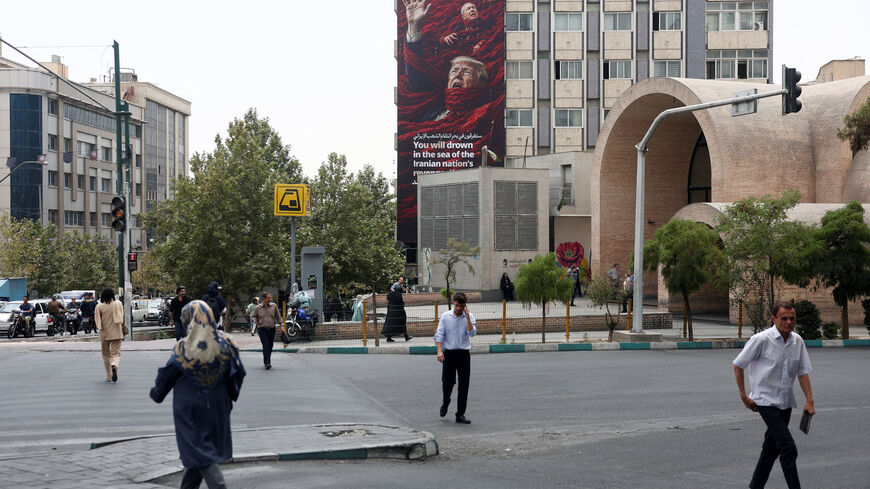
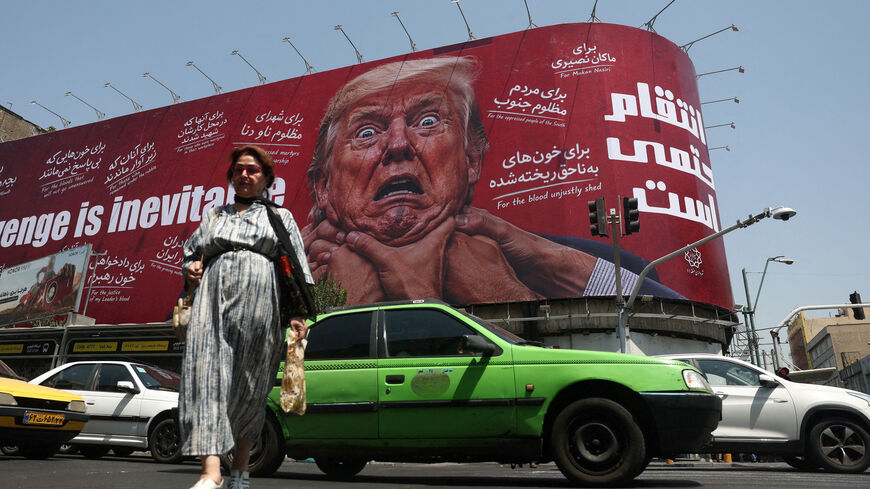
President Donald Trump, who abruptly called off a two-week U.S. bombing campaign over the weekend in his latest strategic U-turn, said there were "good talks" under way with Iran but threatened to restart strikes unless negotiations deliver. Iran has denied seeking to resume talks with the United States.
Iran has said it would hold fire as long as Washington does. But U.S. Central Command said on Tuesday that Iran had launched multiple ballistic missiles "in an attempted surprise attack on U.S. forces based in the Middle East," and that the missles were successfully intercepted
Saudi Arabia said on Tuesday that its air defences intercepted and destroyed several drones targeting oil facilities. The attacks were launched from Iraqi territory by Iran-backed terrorist militias, Saudi Defence Ministry spokesperson Turki al-Maliki said.
Drone attacks were reported in Jordan, Saudi Arabia and northern Iran on Monday, and Jordan reported another drone being downed on Tuesday.
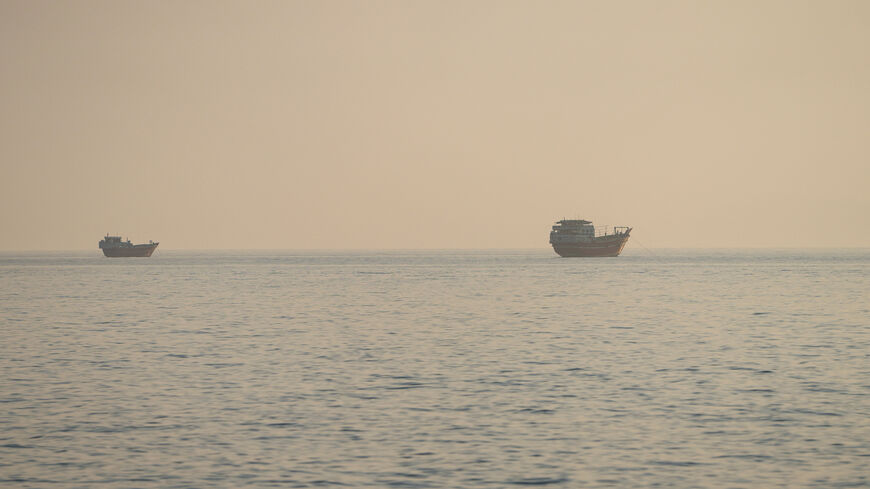
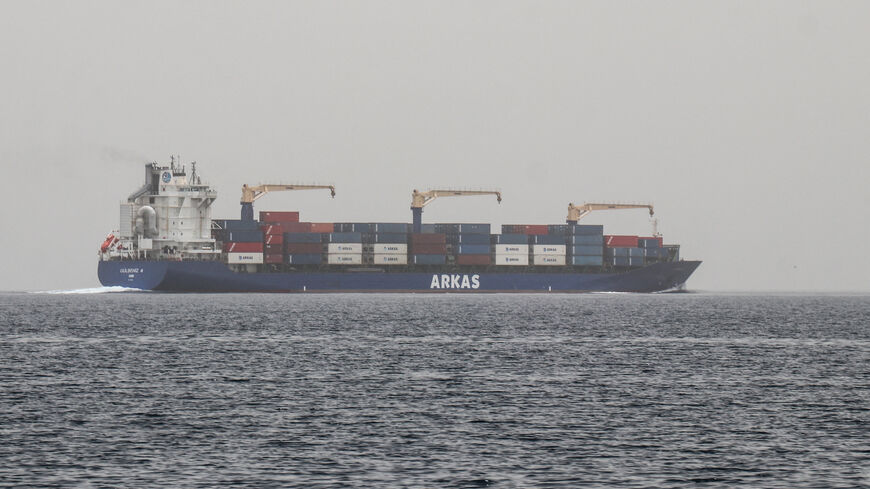
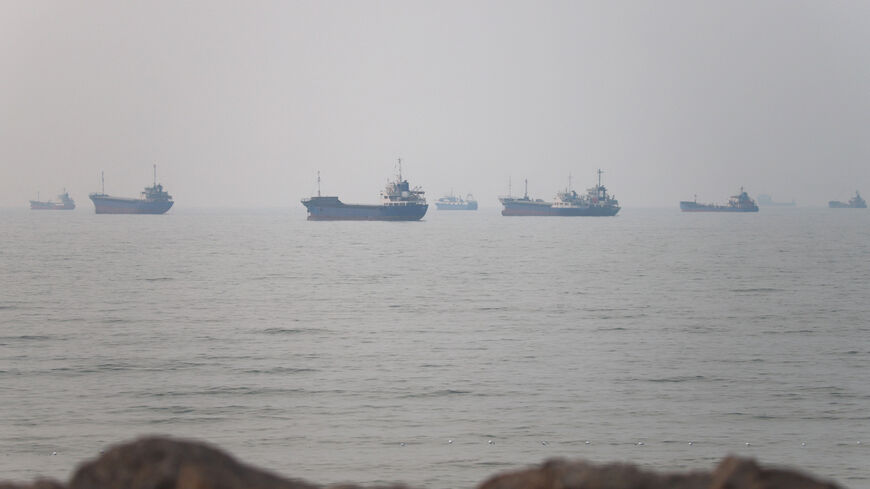
Washington launched fresh strikes earlier this month to break Iran's grip on the strait, through which about a fifth of global oil and liquefied natural gas flowed before the war.
Iran effectively shut the strait to ships other than its own after the United States and Israel attacked on February 28. A deal last month between the United States and Iran partially reopened it, with future talks planned to resolve larger issues including Iran's nuclear program.
But the agreement collapsed in early July after Iran fired on ships using a channel it does not approve.
STICKING POINT OVER FEES
Iran has said it wants to manage the strait alongside Oman, which controls the opposite shore, and charge service fees to ships that use it. Washington wants to return to the status quo prior to the war, when ships were able to pass freely with no payments, and says charging mandatory fees would be illegal.
Iran's Deputy Foreign Minister Kazem Gharibabadi said Tehran had proposed to Oman that Iran manage one-way shipping through its side of the strait and Muscat manage part but not all of the opposite direction.
Under the Omani proposal, Iran would not exercise sole control and fees would be voluntary, the Gulf source and a Western diplomat briefed on the matter told Reuters.
The system would be analogous to one in place on Asia's Strait of Malacca, where Indonesia, Malaysia and Singapore ask ships to pay voluntary contributions to fund navigation, environmental protection and search-and-rescue operations.
The Western diplomat compared it to a voluntary carbon tax for flights, where anyone buying a plane ticket can choose to tick a box if they want to pay to offset their emissions.
Gulf Cooperation Council foreign ministers met via video call on Tuesday to discuss the latest developments in the conflict, including ways to intensify cooperation on issues related to freedom and safety of vessels through the waterway, a statement from the Qatari Foreign Ministry said.
Iran's joint military command again rejected a plan put forward by Trump for damages to vessels to be paid from frozen Iranian assets, state media reported. It said that any country or company that accepted such payments would be denied passage through the Strait of Hormuz by Iran's armed forces.
Adding to the challenges for shipping in the region, the Iran-aligned Houthis in Yemen opened a new front against the U.S. and its allies on July 20, when they declared a blockade of Saudi ports on the Red Sea.
Late on Tuesday, the Houthis said they had fired ballistic missiles at a Saudi oil tanker, which they said was forced to turn back.
TRUMP WARNS OF MORE STRIKES
Trump called off more airstrikes after receiving advice from military commanders that the strategy had run its course. The 13 nights of renewed U.S. bombing killed scores in Iran and destroyed bridges and tunnels across the south as well as military targets.
Iran responded with attacks on U.S. bases in neighbouring countries that killed four service members as well as strikes on civil infrastructure in Gulf states that it said were in response to U.S. strikes on civilian targets.
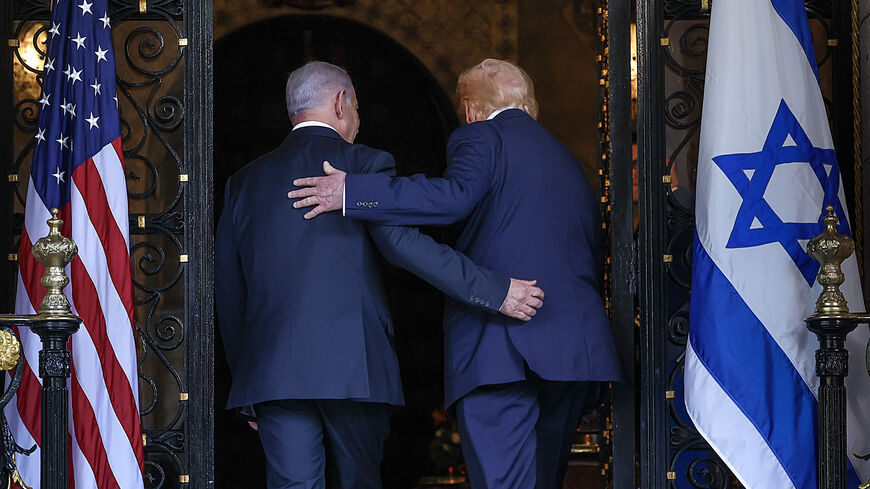
In an interview with Fox News on Tuesday ahead of a meeting with Israeli Prime Minister Benjamin Netanyahu in Washington, Trump said the U.S. was in a strong position right now. He reiterated he was prepared to strike more Iranian targets but said he would prefer to avoid doing so.
Trump also repeated a threat to potentially target Iran's Pickaxe Mountain, a fortified facility buried deep underground near one of Tehran's main nuclear sites, saying: "If we don't make a deal, we'll take it out very easily".
Iran says it has not sought any new negotiations with the United States, which it accuses of violating the agreement reached last month on a framework for talks to end the war.
Trump met Netanyahu amid strained relations between the two leaders. Israel was involved in the initial bombing campaign but has not been part of subsequent peace talks.
The end of the U.S. bombing campaign over the weekend sent oil prices tumbling by around 8% on Monday, and the fall continued on Tuesday. Brent crude futures were down 5.1% at less than $84 a barrel.
(Reporting by Timour Azhari and Parisa Hafezi and Doina Chiacu; Writing by Sharon Singleton and Alex Richardson; Editing by Peter Graff, Hugh Lawson and Cynthia Osterman)