US and Iran target infrastructure as strait shipping comes under further attack


By Jana Choukeir, Enas Alashray, Ahmed Tolba and Menna AlaaElDin
DUBAI/CAIRO, July 17 (Reuters) - The United States on Friday launched a seventh straight night of attacks on Iran, which in turn struck U.S. allies in the Gulf, as both sides targeted infrastructure while shipping in the Strait of Hormuz came under further assault.
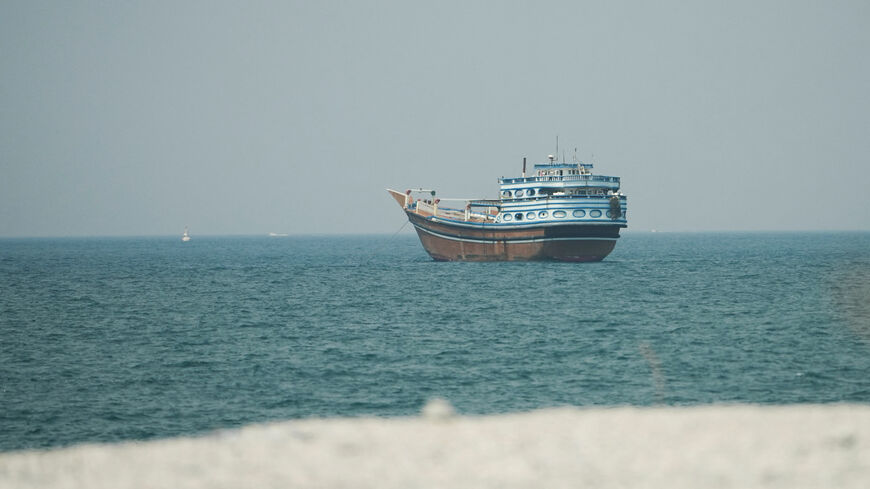
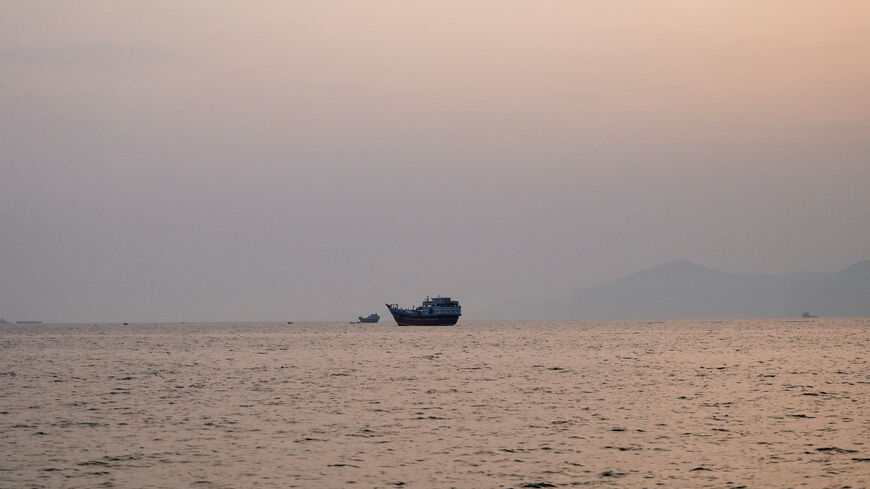
At sea, where the renewed conflict has again cut off energy supplies from the Gulf, U.S. Marines boarded a tanker near the Strait of Hormuz. Iranian media reported, citing Iran's Revolutionary Guards, that two oil tankers exploded and caught fire after passing through a mined route south of the strait, but the U.S. military labeled the report as false.
Armed men seized another vessel off Yemen, raising concern over security in the Middle East's other big choke point for oil shipments at the mouth of the Red Sea.
Iran's state television quoted the Revolutionary Guards as saying that until U.S. "aggression" comes to an end, it will not be possible to export chemical fertilizers or even a "single drop of oil and gas" from the region.
The Revolutionary Guards later said four "violating" vessels that attempted to pass through the strait in recent hours were stopped through a combined missile and drone operation.
Washington and Tehran have been testing the limits of escalation since their ceasefire agreement collapsed last week, raising the prospect of a return to all-out war.
After reports of the escalation on Friday, benchmark Brent crude oil prices climbed 3% and were on track for a third consecutive weekly gain, putting political pressure on U.S. President Donald Trump ahead of November congressional elections.
Trump has threatened to launch broad-based air strikes on Iran's infrastructure and has also declined to rule out a ground assault on Iran's coast or islands.U.S. officials have said attacks on southern Iran are designed in part to give Trump options.
Such moves risk provoking Iran to hit the vital infrastructure of vulnerable Gulf states, or having its allies in Yemen further disrupt global energy supplies by attacking shipping from the Red Sea.
Iranian media reported enemy strikes early on Saturday in coastal Hormozgan Province on the Iranian side of the Strait of Hormuz. State TV said three people were killed and eight wounded while two bridges and a road tunnel were damaged.
Mohsen Rezaei, an adviser to Iran's supreme leader, warned on Friday against U.S. escalation or any attempt to seize Iranian territory.
"If U.S. strikes continue for several more days, we will move into a phase of full-scale offensive operations," Rezaei, a former Revolutionary Guards top commander, told state television.
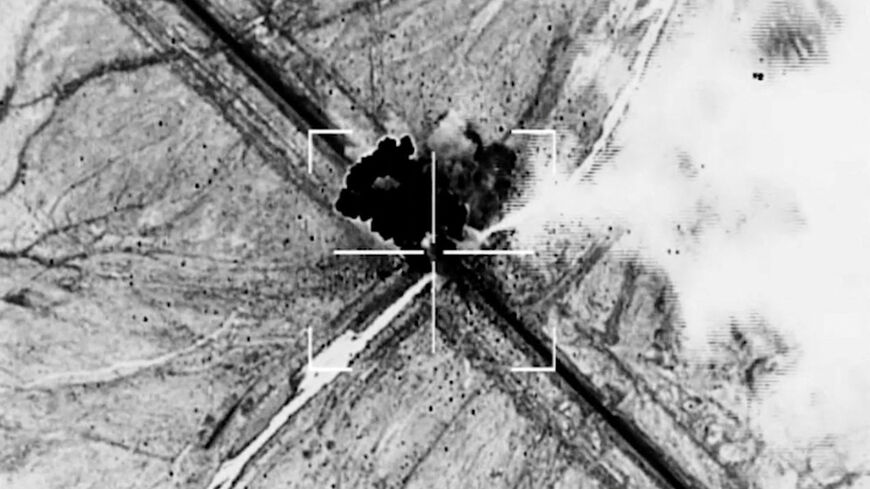
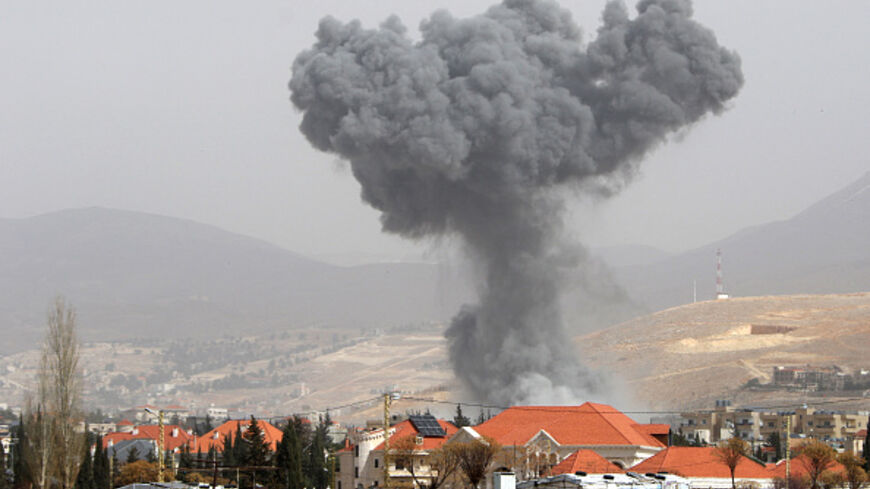
Iranian state media earlier said at least five bridges were struck in the south in U.S. attacks early on Friday. Seven people were reported killed in attacks on bridges in the southern port of Bandar Khamir, where the train station was also hit. An airport was reported hit further east and away from the coast in Iranshahr, in a province bordering Pakistan.
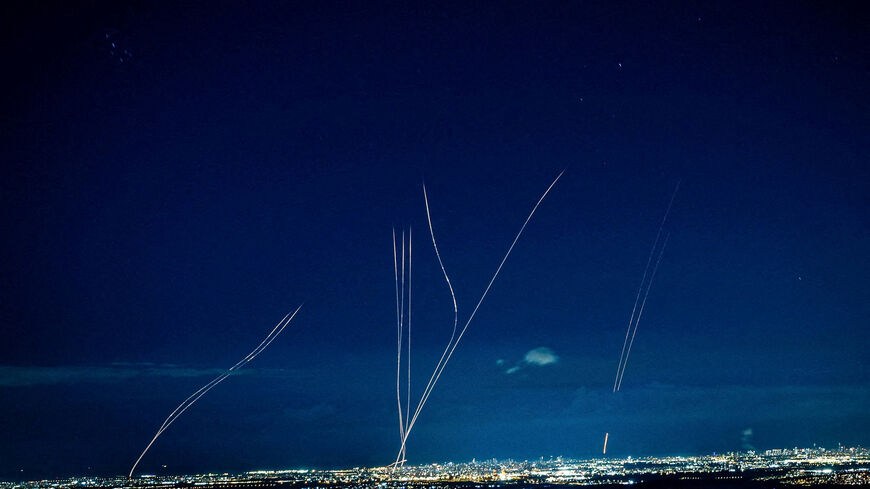
Iran announced attacks on Gulf countries that host U.S. airbases, including Bahrain, Qatar and Kuwait, in addition to a U.S. vessel in the northern Indian Ocean.
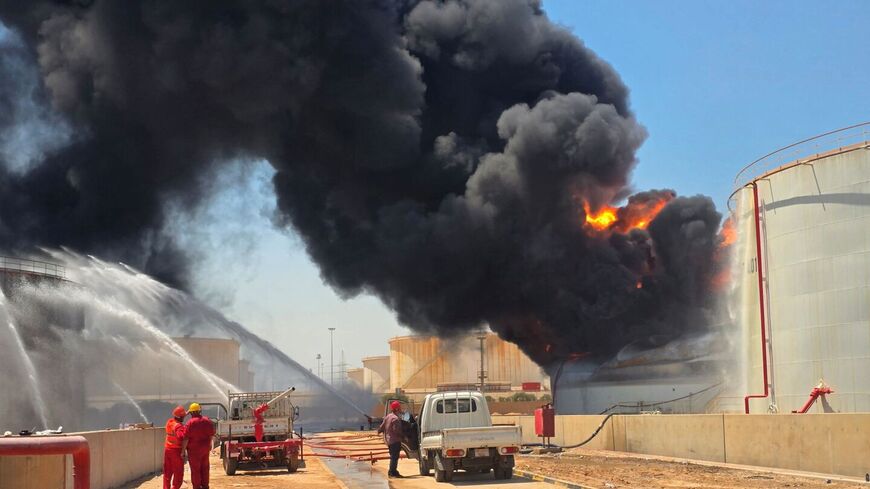
Authorities in Kuwait said one of the country's power generation and water desalination stations had been hit in an Iranian attack, causing damage, a fire and the disruption of a large number of electricity generation units.
The Kuwaiti army later said it was responding to Iranian drone attacks.
The Revolutionary Guards said it attacked a depot of U.S. drones in Bahrain and destroyed Bahrain's main artificial intelligence centre with ballistic missiles and drones.
UN CONCERNED OVER 'ATTACKS ON CIVILIAN INFRASTRUCTURE'
U.N. Secretary-General Antonio Guterres was concerned about the escalation, particularly “attacks on civilian infrastructure in Iran and across the region," his spokesperson said.
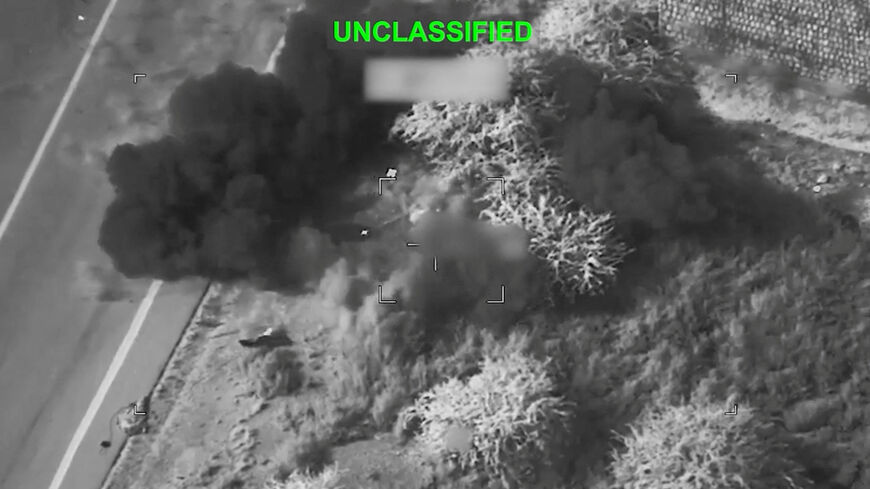
The U.S. military's Central Command said its targetsincluded "military logistics infrastructure", the first time it mentioned infrastructure in more than a week.
On Friday, Central Command said it reinitiated attacks on Iran for the seventh consecutive night with strikes at 3 p.m. EDT (1900 GMT) or 10:30 p.m. in Tehran.
"The strikes are designed to continue degrading Iranian military capabilities at the Commander in Chief's direction," the statement on X said.
Shortly thereafter, Iranian media reported explosions heard or strikes carried out in Sirik, Ahvaz and Yazd.
The Iranian navy fired a shore-to-sea cruise missile towards what it called a hostile U.S. vessel in the northern Indian Ocean, state news agency IRNA reported on Friday. Iran's army said the missile launch caused "fear and panic" and forced the vessel to move out of range of Iran's navy.
Saudi Arabia's civil defence issued early warnings, the first in several months, in at least two places but had yet to report any damage. Earlier in the war, Iran hit some of the oil-rich kingdom's energy facilities.
(Reporting by Reuters bureaux; Writing by Peter Graff, Andrew Heavens and Daniel Trotta; Editing by Jon Boyle, Hugh Lawson and Cynthia Osterman)