Israel and Turkey step up warnings over Syria after airbase bombing


By Alexander Cornwell and Tuvan Gumrukcu
JERUSALEM/ANKARA, Aug 20 (Reuters) - Israel accused Turkey of "dangerous adventures in Syria" on Thursday, while Ankara called for a halt to "reckless" Israeli attacks, two days after Israel bombed a Syrian airbase where it said Turkish troops were about to deploy.
The attack has brought into focus tensions between regional powers Turkey and Israel over Syria, an Arab state which borders both countries and where Ankara's influence as an ally of President Ahmed al-Sharaa has stirred Israeli alarm since he toppled Bashar al-Assad in 2024.
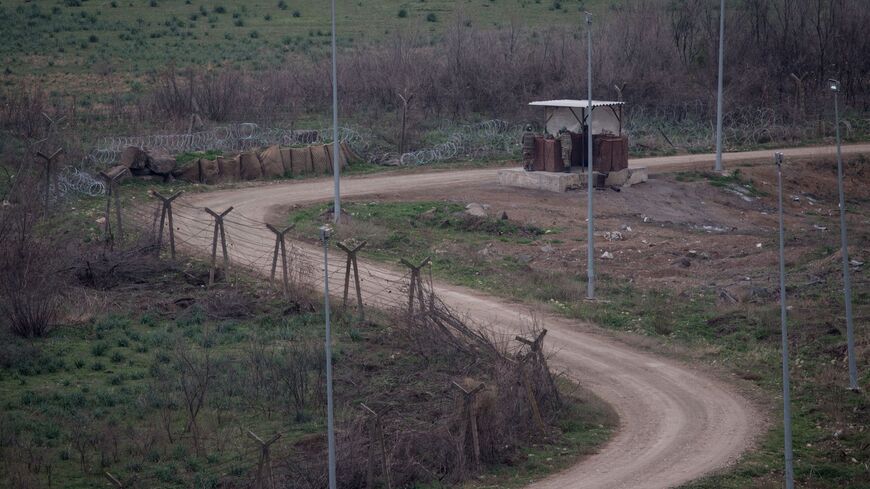
Israel said that Damascus was on the verge of allowing Turkish troops to deploy at the Abu al-Duhur airbase and had ignored Israeli warnings that such a deployment would pose a threat to Israel's security - a claim denied by Turkey.
Syrian Foreign Minister Asaad al-Shaibani, in comments to Axios on Wednesday, said he had made clear to Israel there were no plans to establish a Turkish military base at Abu al-Duhur.
He added that Turkish military officers had visited the base in northwestern Syria several days before the strike but stressed it was part of "ongoing military cooperation in the areas of training and the exchange of expertise."
The Turkish defence ministry said on Thursday that no Turkish military delegation was present at the base before or during the strike, and that Turkey would continue to support Syria's efforts to develop its own military capability and infrastructure.
"It is essential for the peace and stability of both Syria and the region that Israel ceases such reckless attacks and complies with the requirements of international law," the Turkish Defence Ministry said.
Sources told Reuters on Wednesday that the issue of Turkish military deployments in Syria was discussed in a rare phone call between Shaibani and the head of Israel's Mossad spy agency, Roman Gofman, on August 14 - days ahead of the strike.
KATZ WARNS ERDOGAN
Israeli Defence Minister Israel Katz, in a post on X, cautioned Turkish President Tayyip Erdogan against "dragging Turkey into dangerous adventures in Syria" and "testing Israel's determination to defend itself".
NATO member Turkey, which shares a 900-km (550-mile) border with Syria, was a major player in the 13-year civil war, backing anti-Assad rebels and sending troops into Syria several times to curb Kurdish groups it deemed a national security threat.
For Israel, concerns over Iranian influence when Assad was in power have been replaced by worry over Turkey's role since he was toppled by rebels led by Sharaa, a former al Qaeda commander who has developed warm ties to the United States.
Israel has struck repeatedly since Assad was toppled and seized territory in Syria's southwest, citing concerns over the new rulers' militant background and saying it also aims to protect theDruze community, a minority with followers in Israel.
Israeli concerns over Syria are figuring prominently in Israel ahead of an October 27 election. Opinion polls currently indicate Israeli Prime Minister Benjamin Netanyahu may lose, his security credentials still shaken by the Hamas-led attacks of 2023.
US ENVOY: DECONFLICTION MECHANISM NEEDS TO 'BE REFINED'
The U.S. special envoy for Syria Tom Barrack, who criticised the Israeli strikes as "an unnecessary escalation" told Reuters on Tuesday that Washington was working to establish a deconfliction mechanism among Israel, Turkey and Syria.
U.S. Ambassador to Israel Mike Huckabee on Thursday told Reuters that Washington is setting up "a de-escalation process".
"It's being established and it's in place, but it needs to be refined and make sure that it's really going to work and that everybody's a willing participant ... I feel like we're there," he said.
Asked whether Washington was concerned that Israeli actions risked an Israeli-Turkish confrontation, he said: "I don't think it's come to that. I don't think we're even close to that".
"Israel saw Turkey moving further south, and they saw that as a potential threat. They did not take action that resulted in casualties. They did not take action that resulted in the destruction of significant assets," he said.
Syria's al-Shaibani told Axios Israel had no legitimate justification for the bombing.
"There was no intention to establish a Turkish base there, nor to establish a permanent Turkish military presence or deploy Turkish forces at the site", he said. He said the facility was largely empty and not yet fully operational.
Syria and Israel hadmade significant progress toward a security agreement during a year of U.S.-mediated talks, but Israel later backed away from commitments and the agreement was not implemented, he added.
(Additional reporting by Ahmed Tolba in Cairo, Nafisa Eltahir and Jana Choukeir in Dubai, and Lina Obeid; Writing by Tom Perry; Editing by Lincoln Feast and Philippa Fletcher)