Israel resumes Lebanon strikes as talks underway in Rome


Israel's military resumed strikes in southern Lebanon on Wednesday despite ongoing talks, blaming a ceasefire violation by militant group Hezbollah as state media reported at least one person killed.
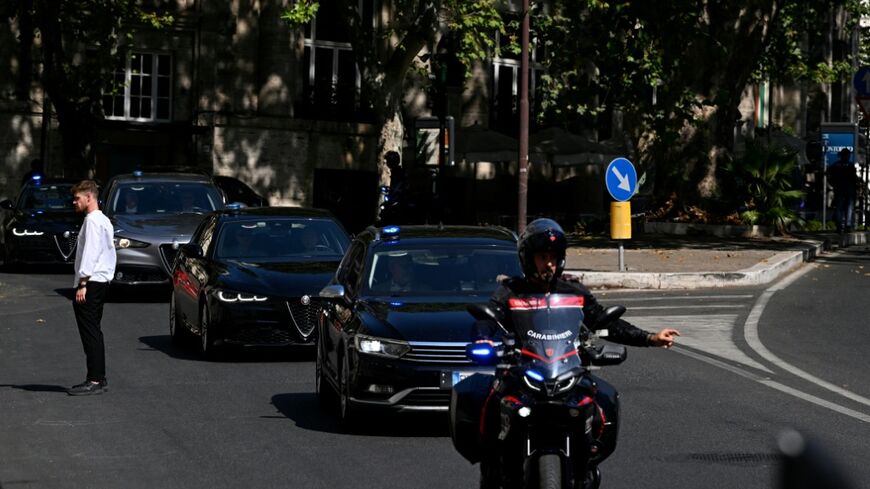
The fresh strikes, accompanied by the first evacuation warning in weeks, came as the United States led diplomacy between Israel and Lebanon in Rome aimed at putting an end to hostilities, with Beirut seeking Israel's phased withdrawal from the south.
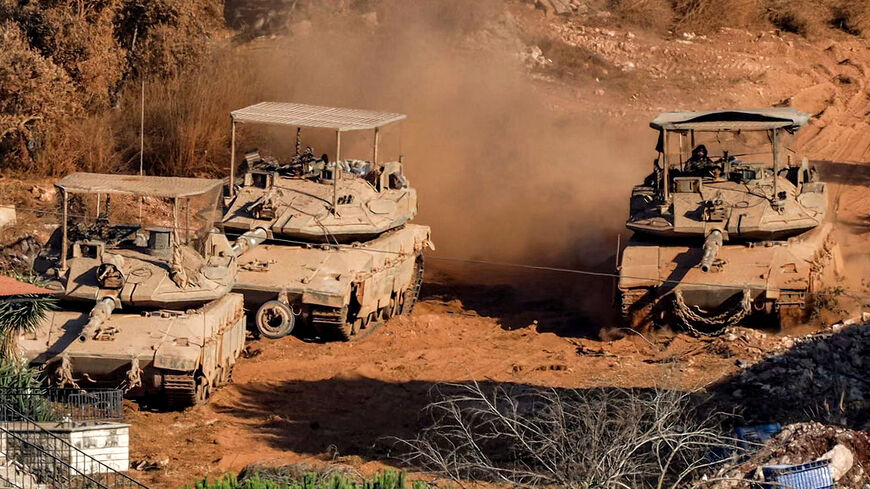
"In response to a blatant violation of the ceasefire by the Hezbollah terrorist organisation, the IDF has begun conducting precise strikes in southern Lebanon," the military said in a statement, shortly after telling residents to evacuate the town of Mansouri in the south.
Lebanese state media said one person died and 11 were wounded in a separate strike.
In Rome, Israel requested that the day's talks with Lebanon end three hours early, a source in the negotiations told AFP, saying the head of the Israeli delegation, US ambassador Yechiel Leiter, had blamed alleged "misleading leaks" by the Lebanese side.
But the talks were expected to resume on Thursday for a third and final day.
In previous US-sponsored talks in June, Israel and Lebanon agreed to a framework deal that involves the disarmament of Hezbollah, a gradual withdrawal of Israeli forces from Lebanon's south and the deployment of the Lebanese army to the region, starting in test areas known as "pilot zones".
This week's negotiations are the seventh round since Hezbollah drew Lebanon into the Middle East war in March with rocket fire at Israel in support of its backer Iran.
Israel responded with heavy airstrikes and a ground invasion that Lebanon says have killed more than 4,300 people.
In its first such warning since June, the Israeli military on Wednesday told the residents of Mansouri: "In light of Hezbollah's violations of the ceasefire agreement, the Israel Defense Forces are compelled to act against it with force."
"For your safety, you must evacuate your homes immediately and move north," the military's Arabic-language spokeswoman, Ella Waweya, posted on X.
The UN's humanitarian agency had said just the night before that more than 800,000 people displaced by earlier fighting in Lebanon had begun heading back home following the recent lull in violence, though more than 360,000 remained displaced.
- 'Shame, humiliation' -
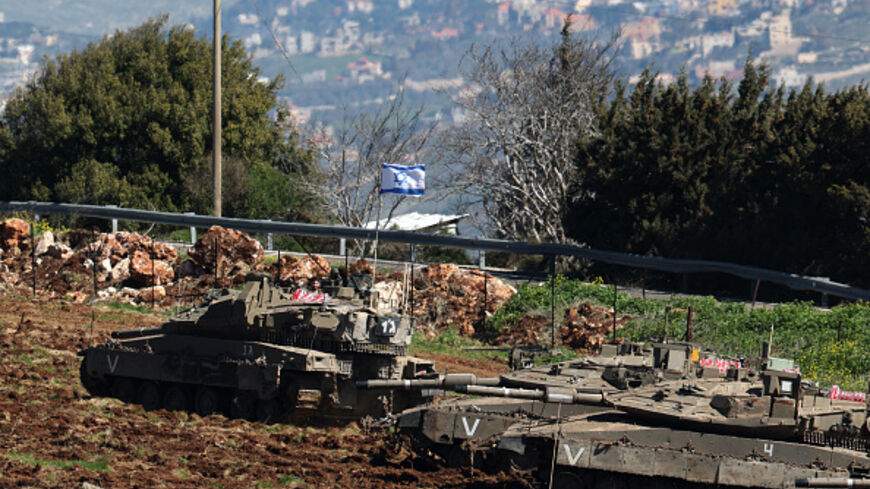
The town of Mansouri, located around nine kilometres (six miles) south of Tyre and 10 kilometres north of Israel, and its surroundings were subjected to several Israeli strikes and artillery shelling in recent weeks despite the ceasefire between Hezbollah and Israel that took hold in June.
The town's municipality told residents on June 22 that they could return, but asked them to avoid the part of the town that fell within Israel's so-called "security zone" in southern Lebanon.
The "security zone" designates a strip of territory where Israeli forces continue to operate that runs around 10 kilometres deep inside southern Lebanon along its border with Israel.
A US State Department official had told AFP that this week's discussions would "include expanding the pilot zone process, resolving all outstanding border issues, and working on a comprehensive peace and security agreement".
As the delegations met in Rome, Italian Foreign Minister Antonio Tajani spoke with his counterpart from Iran, Hezbollah's main patron, and called on Tehran to halt the group's operations.
Tajani, in a post shortly before the Israeli strikes, voiced hope that the talks would "yield concrete results".
Hezbollah leader Naim Qassem said on Tuesday that the direct negotiations would bring "nothing but shame, humiliation" and successive concessions for Lebanon.
Hezbollah has repeatedly rejected the direct talks and refuses to surrender its weapons.
Violence in Lebanon has decreased since the Lebanon-Israel deal and the signing in June of a preliminary US-Iran agreement on the Middle East conflict.
But Lebanon continued to report intermittent Israeli strikes and shelling, as well as detonations and demolitions in southern villages.
Since the war between Israel and Hezbollah erupted in early March, Israel's military has lost 38 soldiers and one civilian contractor.
acc-lk-sct/smw