UAE's financial embargo on Iran after missile threat puts rivalry back in spotlight


DUBAI, Aug 19 - The United Arab Emirates' decision to suspend all financial and economic transactions with Iran until further notice, citing amilitary escalation by Tehran with a missile threat, has refocused the spotlight on fraught ties between the major Gulf Arab oil producer and Iran.
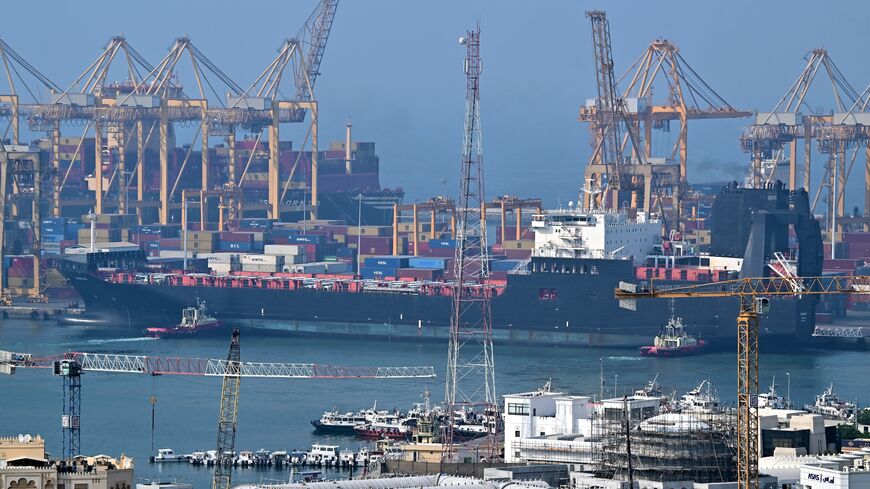
The UAE, a close U.S. ally and regional power, was the Gulf state most heavily hit by Tehran during the early stages of the Middle East war. However, the last reported attack on UAE soil was the May 4 strike on Fujairah port, a key oil export hub.
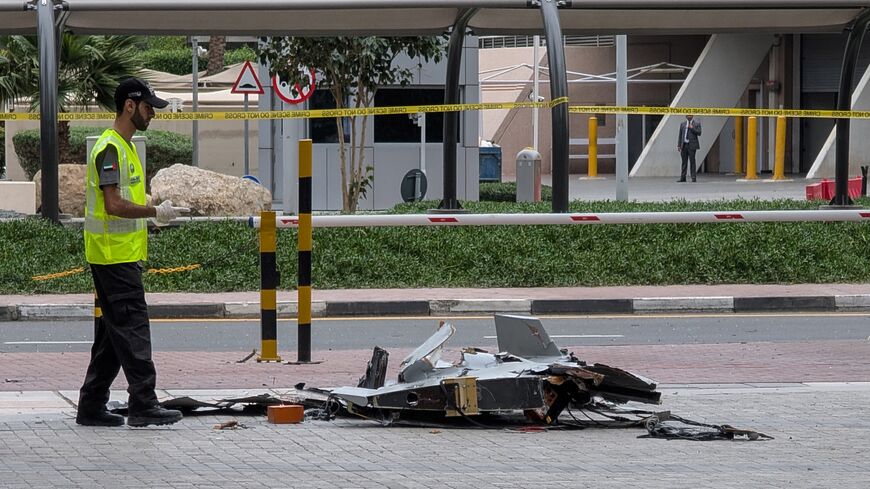
The move by the UAE to sever commercial ties came after its defence ministry said that it had detected two ballistic missiles launched from Iran, an incident that marked the first time in months that residents received telephone alerts warning of possible threats.
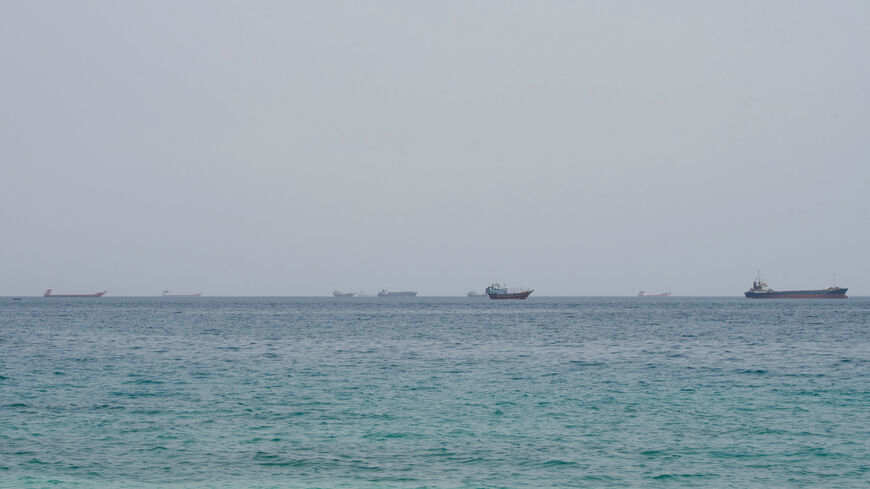
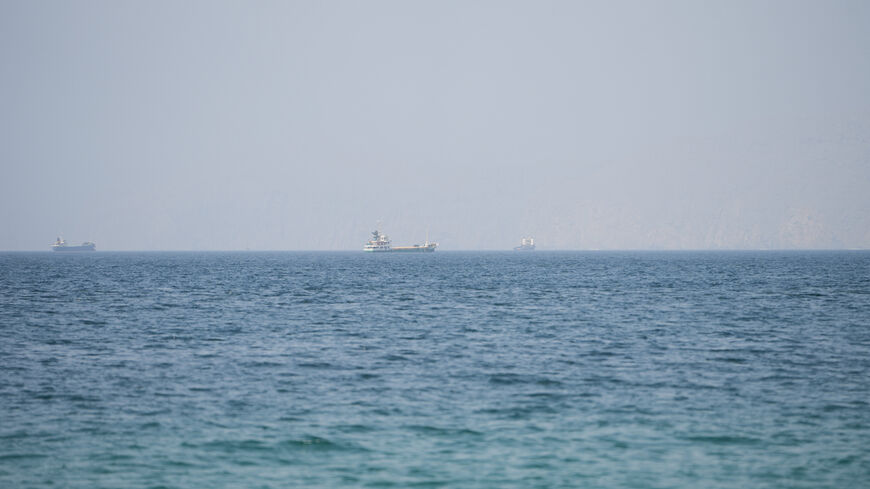
In a statement, the ministry said the missiles targeted "maritime traffic" based on its assessments. Both missiles fell into the sea, it said.
The UAE also sent a phone alert on Tuesday to residents stating that the situation was safe and people should resume normal activities after the earlier warning.
Iran's foreign ministry rejected the statement by the UAE that its missiles targeted maritime traffic, describing it as "baseless."
UAE SAYS IT IS COMMITTED TO DIALOGUE
Dubai, the UAE's main commercial hub, is one of Tehran's most critical economic lifelines.
UAE official Afra Al Hameli, Director of the Strategic Communications Department at the Ministry of Foreign Affairs, said the UAE was committed to dialogue and cooperation to advance peace, stability, and prosperity in the region.
Al Hameli said that in light of regional escalations that undermine regional and international peace and security, all trade, commercial exchanges, and financial transactions with Iran have been halted.
Anwar Gargash, diplomatic advisor to the UAE president, said in a post on X that rumours about the "provision of financial facilities to Iran" are "false and part of desperate media campaigns".
The UAE was drawn into the wider war in the region which began in February with U.S.-Israeli strikes on Iran. Tehran's attacks on UAE soil stopped in May, while they persisted in neighbouringKuwait and Bahrain. Attacks at sea on its vessels did not stop.
In August,Abu Dhabi National Oil Company (ADNOC), one of the world's largest energy producers, said it was being significantly impacted by what it described as unprovoked attacks on its people and assets, as it sought to continue meeting customer requirements in an "exceptionally challenging environment."
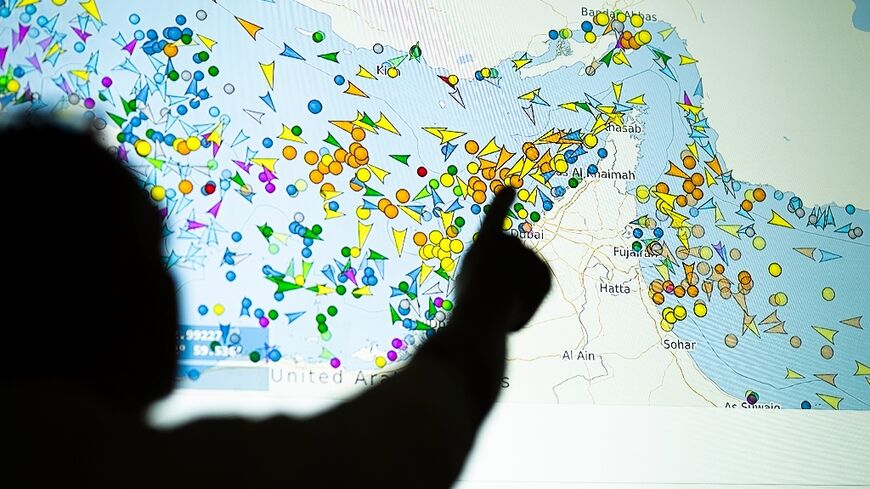
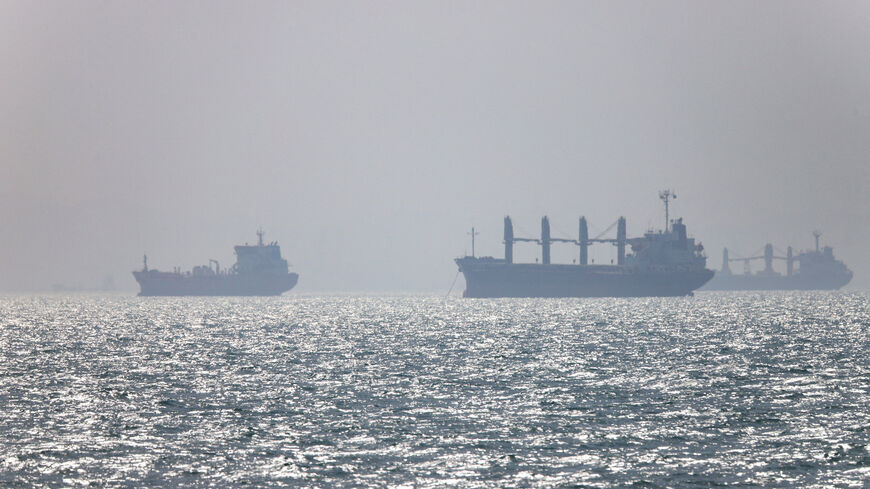
ADNOC said in a statement that several of its vessels had been attacked by missiles and drones while transiting the Strait of Hormuz since the start of the conflict.
The missile launch that the UAE blamed on Iran came as a 60-day window for U.S.-Iranian peace talks expired without a breakthrough, raising fears of a new escalation in the conflict that has disrupted shipping through the Strait of Hormuz since February and rattled global markets.
Iran has not claimed responsibility for the attacks on ADNOC vessels. Iran's Revolutionary Guards have previously threatened action against vessels transiting the strait if they are linked to Tehran's adversaries or fail to comply with Iranian directives.
(Writing by Michael Georgy; Editing by Toby Chopra)