US pushes allies, China to back Trump's economic war on Iran


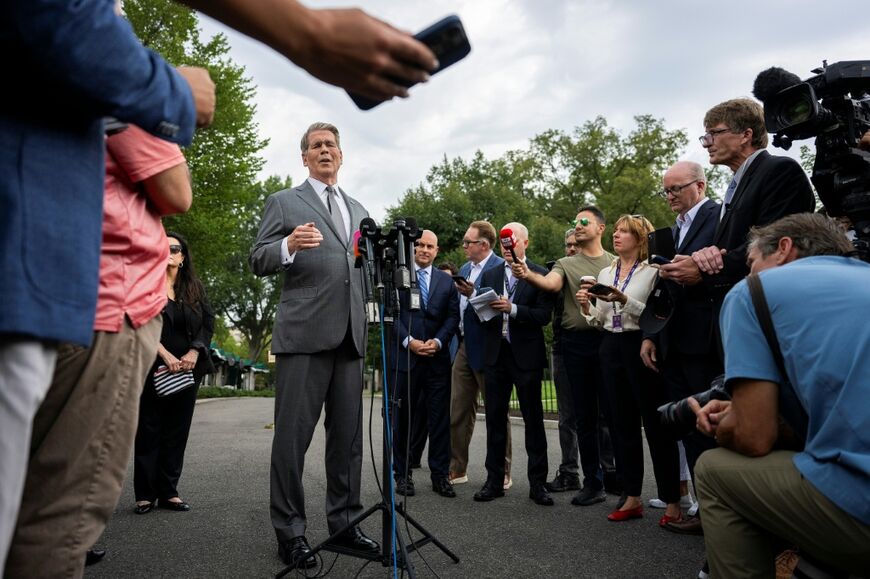
The United States on Thursday warned allies and China to join President Donald Trump's new campaign to isolate the Iranian economy, vowing that Washington would "collapse this regime" in Tehran.
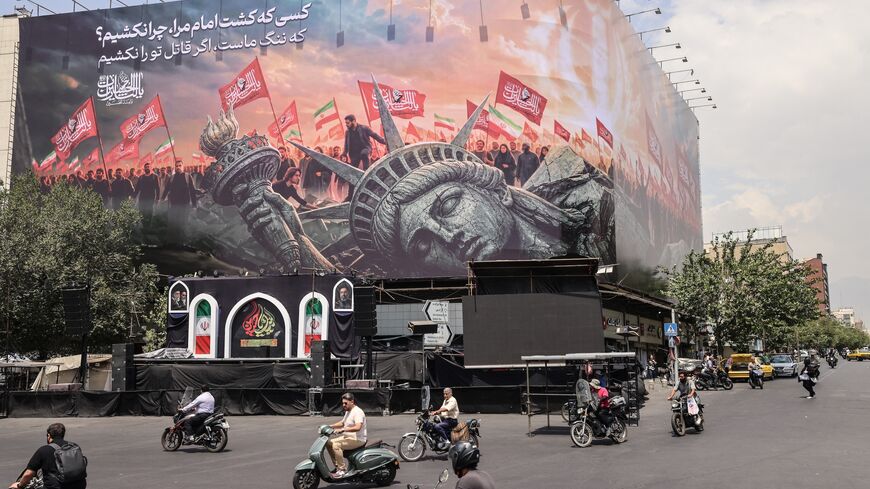
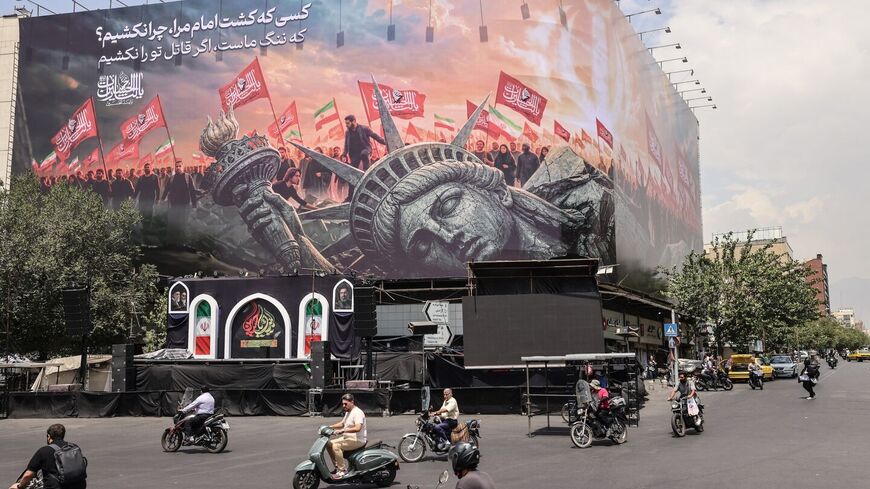
Iran branded the US threats as "economic terrorism" and said they would fail.
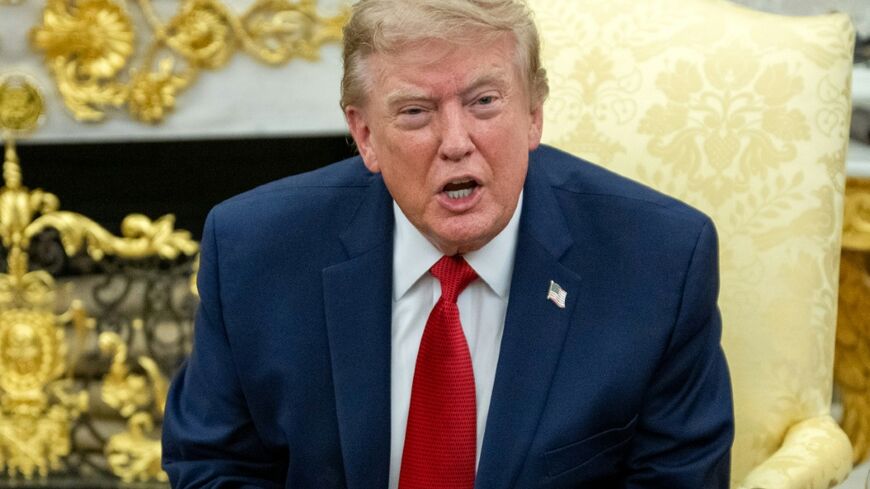
Under fire at home over the impact of the war and with crucial midterm elections looming, Trump had on Wednesday promised the "most crushing" economic operation ever against Iran.
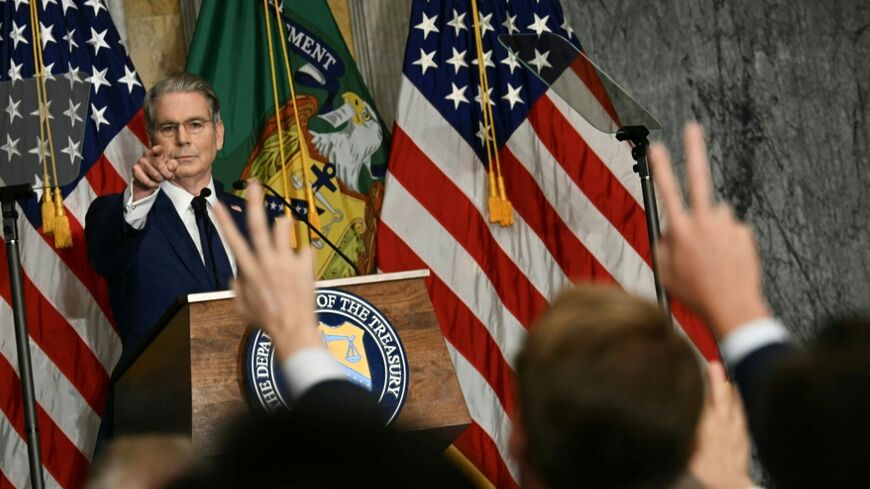
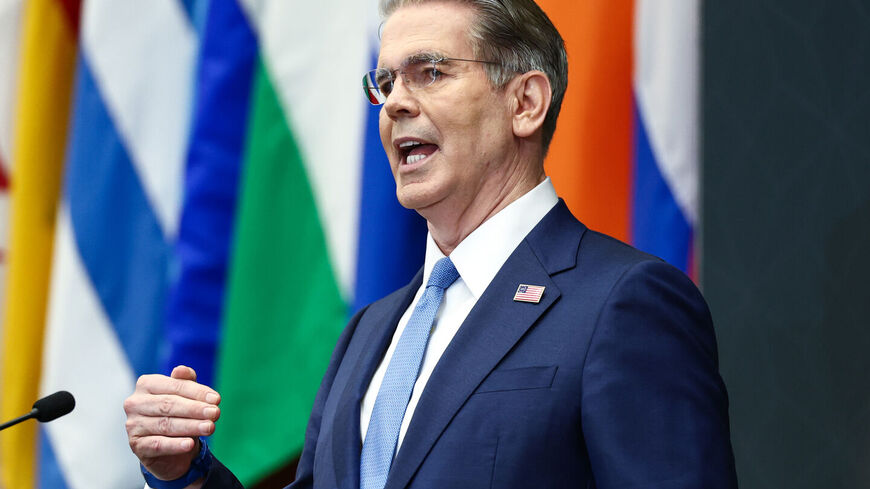
US Treasury Secretary Scott Bessent echoed the president's comments, doubling down on economic pressure on Tehran as Trump's unpopular war drags toward the six-month mark.
"Any remaining tie to Tehran will hasten a nation's economic oblivion, whether that tie be purposefully constructed or willfully ignored," Bessent said on X.
Neither Trump nor his treasury chief has set out the measures they are planning against Iran. Bessent said he would give more details during a press conference on Monday.
"We're kind of now in a new phase where the most effective tool that we have is the economic pressure that we can apply to them," Vice President JD Vance told a conservative podcast.
"This is a delicate dance because" Iran will "try to apply economic pressure to us."
Asked whether the United States would pressure China, Bessent told CNBC that "many conversations are best to have in private," but called on Beijing "to get with the program."
Chinese President Xi Jinping is due to visit the White House on September 24.
- 'Crimes against humanity' -
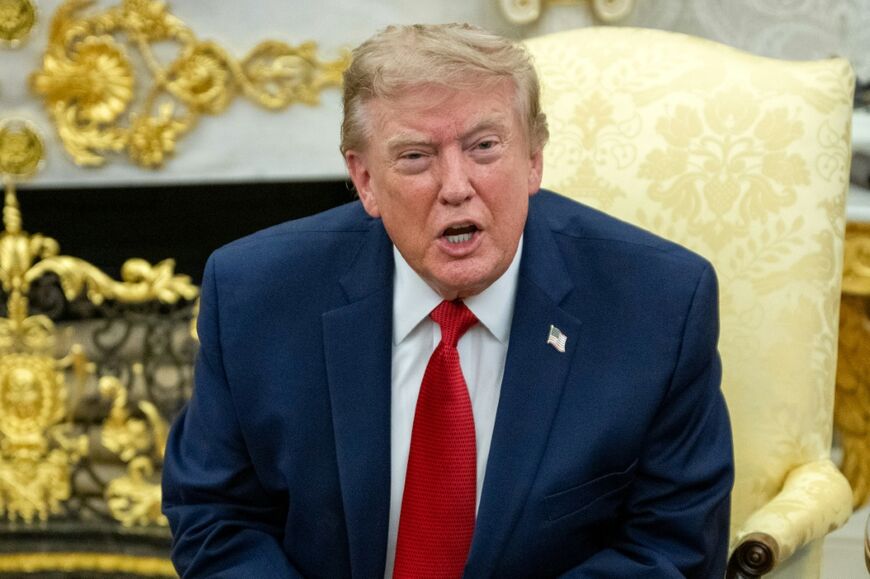
Bessent's comments marked a notable return by a senior US official to talking about regime change in Iran, after months of Trump insisting that the goal of the war is to stop Tehran getting a nuclear weapon.
But the US treasury boss said the economic plan meant the United States is less likely to have to return to heavy military operations against Iran.
"If we are doing the maximum economic pressure, then that means that likely there will not be a large-scale kinetic restart, but I will emphasize that is for now," Bessent said.
Iran dismissed Trump's plan.
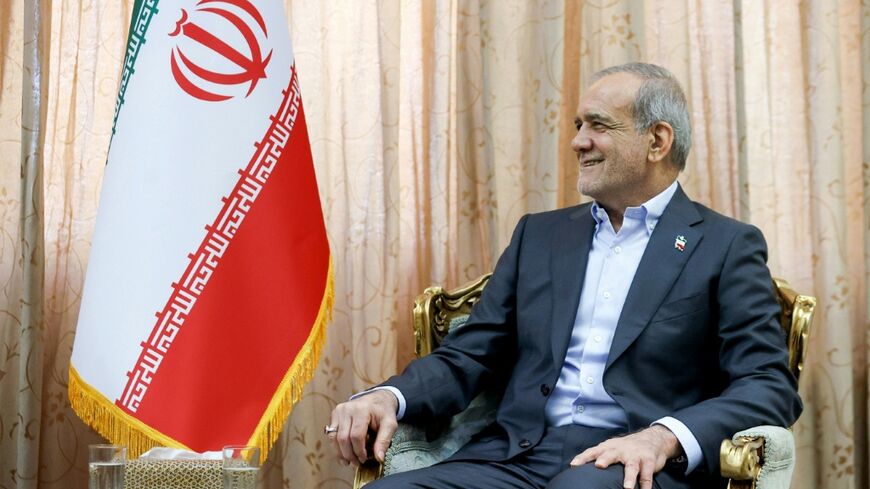
"The so-called 'Economic D-Day' is a diversion from America's own crisis: unprecedented debt & surging interest costs," Iran's Foreign Minister Abbas Araghchi said in a post on X.
The Iranian foreign ministry blasted the US threats, which come after years of damaging American sanctions against Tehran.
"Undoubtedly, the US economic sanctions against Iran, which have targeted the fundamental human rights of every Iranian citizen, are a case of 'economic terrorism' and 'crimes against humanity'," it said in a statement carried by state media.
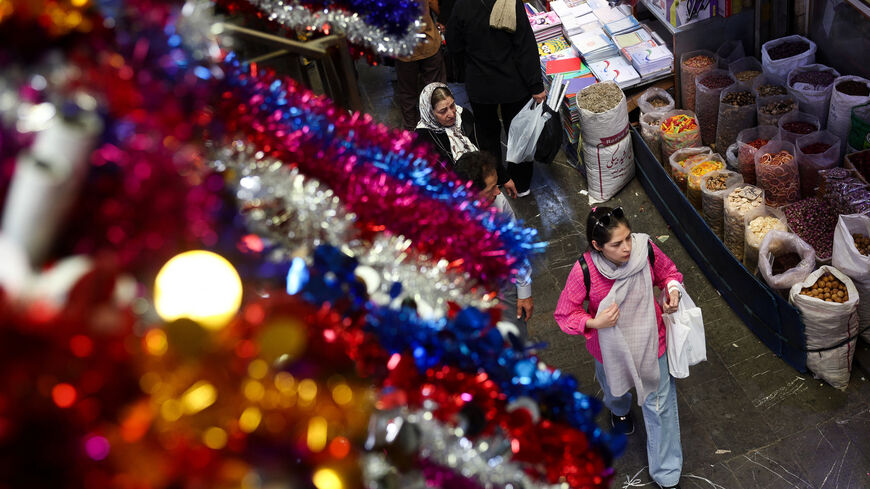
Despite the heavy international sanctions and a US-enforced naval blockade in the Gulf, Iran has found ways to continue exporting its oil, with China as its biggest buyer. Tehran operates a so-called shadow fleet of tankers, all of which are under international sanctions.
Washington announced new measures Thursday against Hezbollah's financing network in Lebanon, highlighting its close ties with Iran's Revolutionary Guards.
- 'Crushing' -
Trump said this week that talks with Iran were on hold as the war started by the US and Israel in February appears stalemated, while Tehran is keeping the key Strait of Hormuz partially shut.
Trump's pledge on Wednesday of unprecedented "economic warfare" on Iran comes as the president grows increasingly frustrated with the lack of movement on the military front.
In a post on his Truth Social platform, the US leader said he was announcing "the MOST CRUSHING ECONOMIC OPERATION EVER TAKEN AGAINST ANY COUNTRY! This will be Economic Warfare and Isolation on an unprecedented scale."
But the US is also buttressing its military presence in the region.
A new US aircraft carrier strike group arrived in the Middle East on Wednesday, after grim conditions aboard a long-deployed carrier provoked fresh domestic criticism of Trump's war.
The USS George Washington is replacing the USS Abraham Lincoln, which had reportedly suffered food shortages, broken plumbing and a number of suicide attempts during a deployment that began in November 2025.
The United States meanwhile on Thursday approved a potential $4.5 billion sale of refueling aircraft to Qatar, which has acted as a mediator in Washington's war with Iran.
dk/pnb/sla