The viral videos that inspired tens of thousands to swim to Spain’s Ceuta


By Ahmed Eljechtimi, Victoria Waldersee, George Sargent and Magdalini Gkogkou
Aug 4 (Reuters) - Last week's rush of migrants into the Spanish enclave of Ceuta began with a trickle.
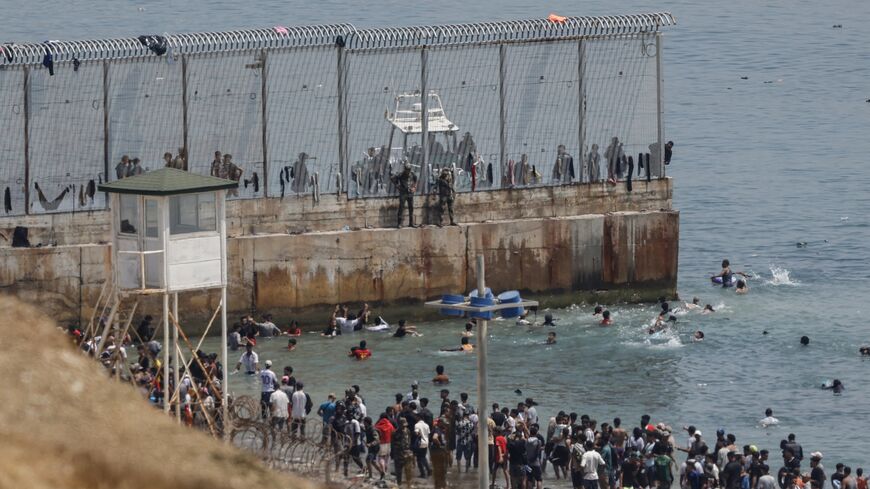
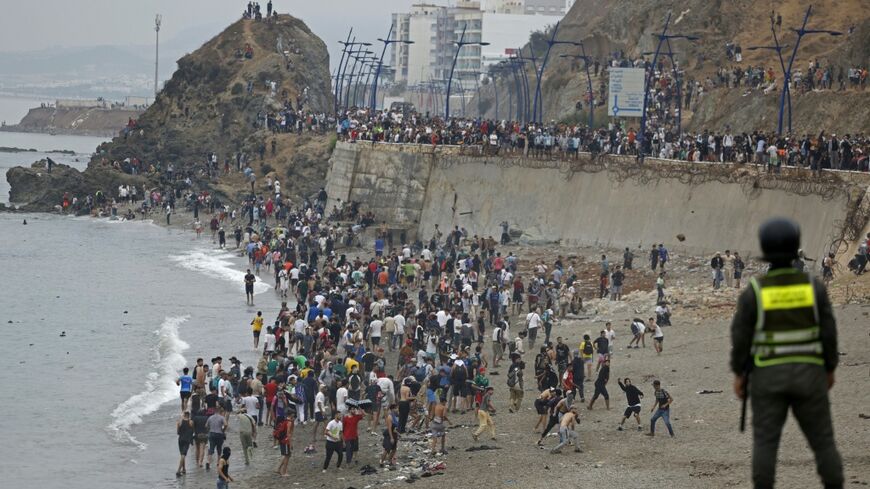
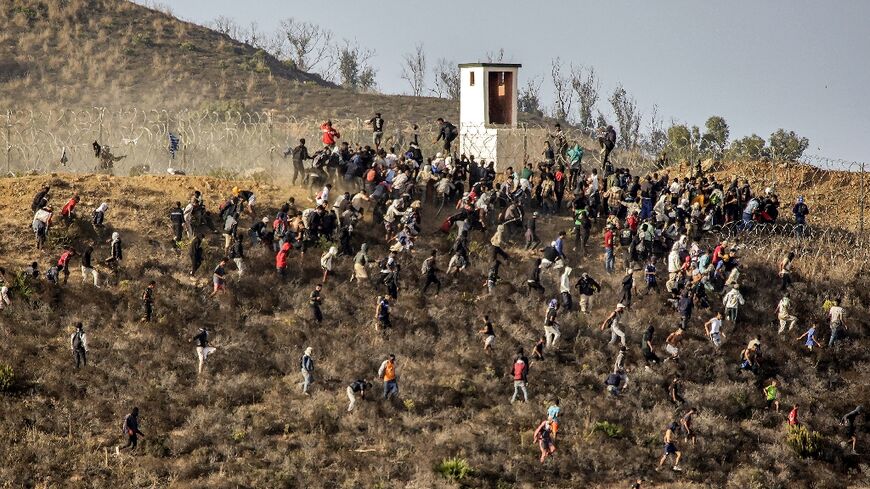
Encouraged by a handful of viral videos, including some posted by a Spanish news outlet intended to highlight the burden of migration pressures, the movement of a few dozen youths quickly turned into tens of thousands swimming en masse by last Thursday.
More than 80 people drowned or were crushed in a stampede, according to official tallies.
A catalyst came three weeks earlier, when Spain's Supreme Court published a ruling saying migrants caught at sea could not be immediately pushed back at the border of Spain's North African territories of Ceuta and Melilla. The ruling does not preclude their summary return afterwards, legal experts said.
Ceuta has long drawn migrants hoping to build a new life in Europe. But as misinterpretations of the ruling spread – including claims anyone who reached Ceuta, by sea or land, could not be returned – more and more people tried their luck.
"Never believe those who tell you that if you get into Ceuta, they will send you back. You will not be sent back," said a young Moroccan man filmed on a street in Germany in a video, which was deleted but later reposted by other accounts.
Several posts on Meta's platforms since July 7, including one with over 28,000 likes, also falsely claimed that Spain's existing programme to regularise hundreds of thousands of illegal migrants would end on July 30. Similar messages circulated in the early hours of July 30.
In fact, irregular migrants who had already been in Spain for at least five months before end-2025 could submit applications between April and June 30. The Spanish government received more than double the 500,000 registrations it had expected and never extended the deadline.
Most videos and online groups amplifying the calls to rush to Ceuta have since been deleted and their original posting dates are unclear. In 2024, Morocco prosecuted scores of suspected online instigators of a foiled mass crossing.
UNINTENDED EFFECT OF SPANISH MEDIA REPORT
By July 23, about 100 people had reached Ceuta, according to El Faro de Ceuta, a local news outlet that linked the arrivals to the Supreme Court decision, a view later echoed by Spanish and Moroccan officials, who accused human trafficking networks of propagating and exploiting such misinformation on social media.
The footage El Faro broadcast online of young men grinning and flashing thumbs-up and V-signs in Ceuta had the unintended effect of encouraging more people to attempt the crossing, according to migrants interviewed by Reuters. Hundreds began to swim across.
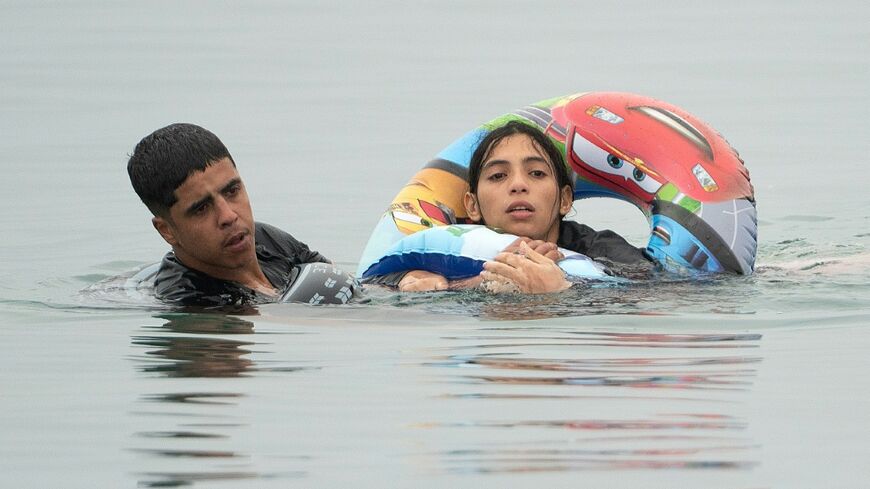
Another spur came on July 28, when a new El Faro report with the caption "Ceuta can't take it anymore" showed two grinning, waterlogged young women walking the city's streets after making the crossing. The clip was widely viewed in Morocco, according to three migrants interviewed by Reuters.
INFLUENCERS RUSH IN
The next day, social media was flooded with videos as influencers with tens of thousands of followers postedclipsof themselves swimming to Ceuta, some with wetsuits and swim rings.
Mounim Belhaj, a dog groomer with 31,000 Instagram followers, said he decided to go after seeing reports about migrants being housed at Ceuta's reception centre.
"Spanish media were showing good treatment of migrants arriving in Spain and that encouraged us a lot to go there," he said.
There were misleading videos, too. One, viewed millions of times, showed a young man with a selfie stick swimming toward what some posts identified as Ceuta, but had in fact been filmed in a city on Morocco’s Atlantic coast earlier in July.
The next morning, the numbers surged. Spanish authorities said more than 70,000 people entered Ceuta irregularly.
Chat groups also appear to have played a role. A report by Spanish security analyst Chema Gil identified two public WhatsApp groups administered by Algerian phone numbers, with a total of 3,700 members, providing advice on routes to Ceuta.
The chats urged members to move quickly, with messages such as, "Those who do not move today will regret it tomorrow." Gil could not identify the administrators and Reuters was unable to independently verify the groups, which have since been deleted.
By the next evening, hunger and hostility had driven the vast majority to go back. Thousands remain stranded, particularly sub-Saharan Africans and unaccompanied minors who cannot be deported.
"We made a mistake in going there," Belhaj said. "There was only hunger."
(Additional reporting by Rachael Kennedy, Nahla Ibrahim, Corina Pons, Stephanie Burnett and Vinaya K; Writing by Alexander Dziadosz; Editing by Andrei Khalip)