Houthis report Saudi reprisals after oil sites set ablaze in wave of strikes


The Houthis said Saudi Arabia retaliated with strikes on Tuesday after the group targeted oil facilities, wounding dozens, as deadly fighting reignited in Yemen after a Houthi offensive towards the Red Sea's Bab al-Mandab chokepoint.
The rapid round of strikes and counter-strikes follows the unravelling of a four-year truce between the Houthis and the Saudi-backed government in July.
Analysts dispute the extent to which the Houthis are acting independently or following the wishes of their Iranian backers, but on Tuesday US Secretary of State Marco Rubio insisted that "behind some of this is clearly the Iranian hand".
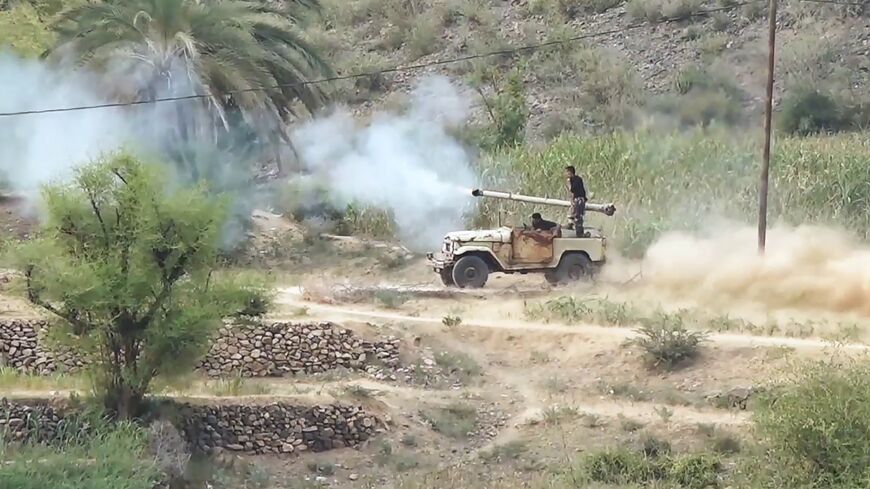
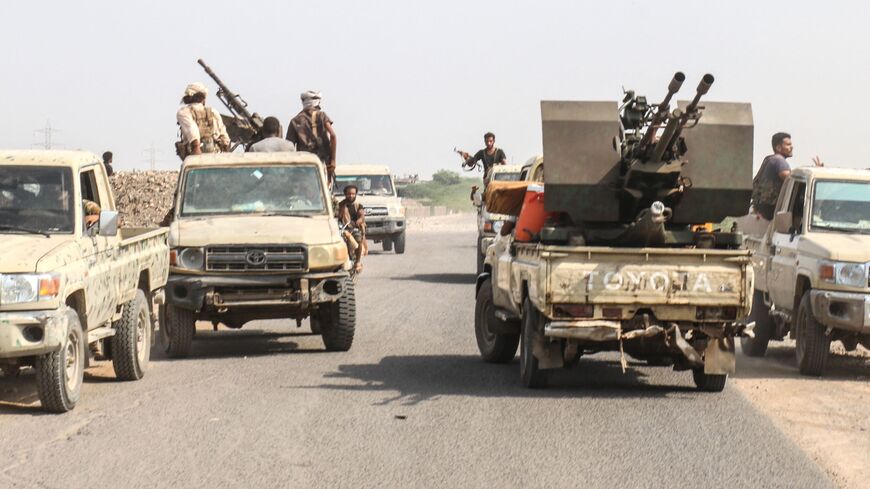
On Thursday, the Houthis launched a campaign to seize territory near the Bab al-Mandab strait, an increasingly important route for Saudi oil after Iran blockaded the Strait of Hormuz, choking Gulf exports.
The fighting has left more than 500 people dead, mostly combatants from both sides, according to an AFP tally based on sources from each camp.
Houthi attacks on oil infrastructure and Saudi tankers are piling pressure on the world's top oil exporter.
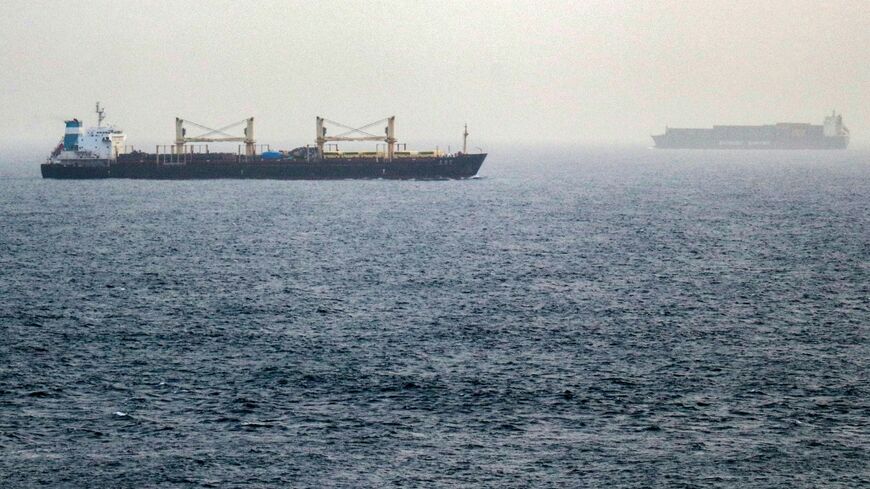
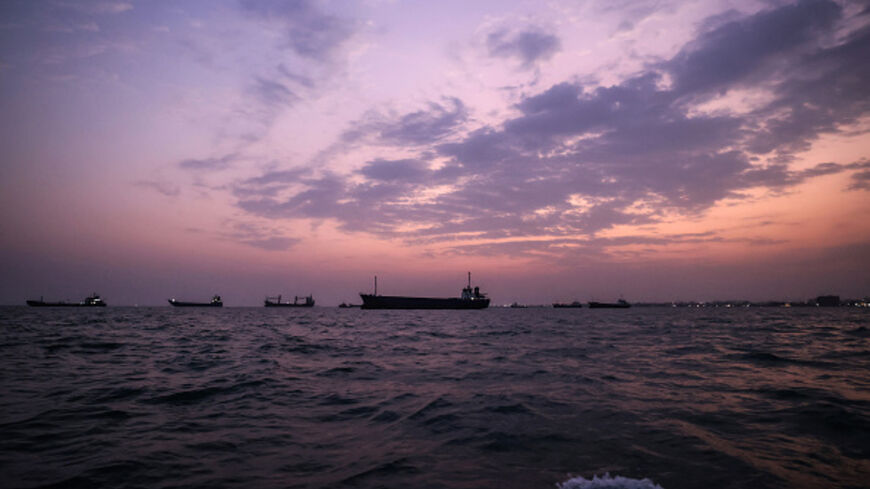
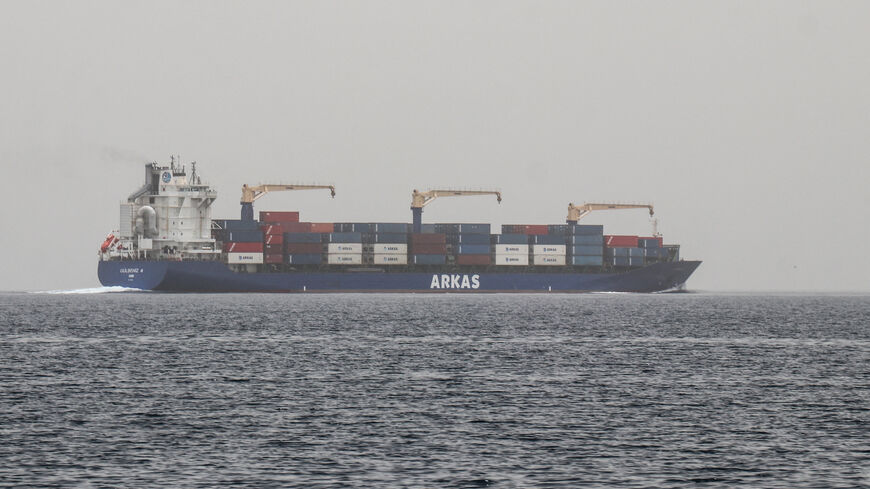
The rebels declared a maritime blockade of the kingdom and began attacking Saudi ships in July. This has squeezed Saudi exports, already reeling from Iran's closure of the Strait of Hormuz.
"Saudi aggression" hit Taiz province, where deadly fighting has raged for days, and Marib province, the Houthis' Almasirah TV station said. There was no immediate comment from the Saudis.
Overnight, Houthi attacks caused "temporary" shutdowns at oil sites and left 73 injured, Saudi authorities said. Saudi officials had vowed to respond.
The UN secretary-general and European Union condemned the attacks, while the Red Cross called for de-escalation.
On Tuesday evening, the Saudi civil defence agency briefly warned of "potential danger" in three areas bordering Yemen, before lifting the alerts.
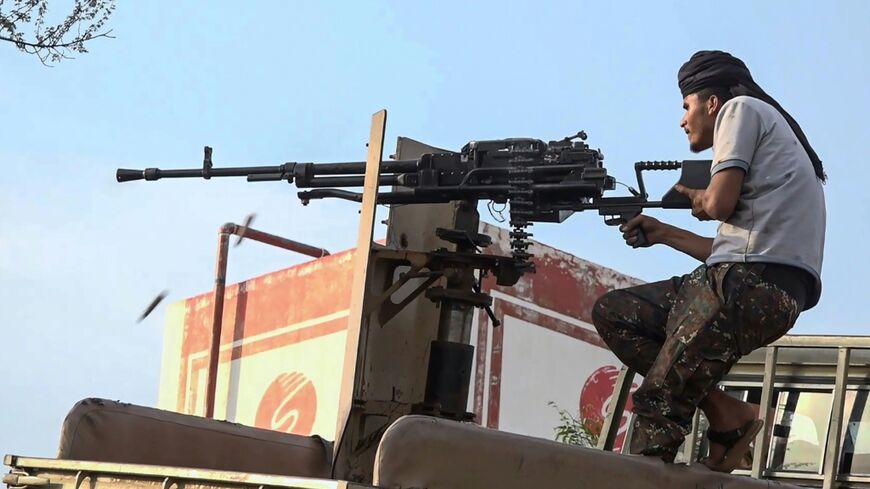
Since the rebels launched their campaign on Thursday, at least 216 government forces and 278 Houthi fighters have been killed, according to sources from both sides who requested anonymity to discuss sensitive matters. At least 29 civilians have also been killed.
- Grim images -
Saudi Arabia's top diplomat Prince Faisal bin Farhan said the door to diplomacy was still open, but that the kingdom was ready to defend itself.
"The Kingdom will always support peace and diplomatic solutions," he said during a joint press conference in Moscow with his Russian counterpart.
"However, (Saudi Arabia) will not hesitate to defend itself, protect its interests, and support measures that secure the interests, security, and stability of brotherly Yemen."
The Houthi attacks came after the rebels accused Riyadh on Monday of an attack on a prison that killed 11 people and left 20 inmates missing, according to Almasirah TV.
Grim images from the scene showed rescuers digging in the rubble with their bare hands and carrying bodies wrapped in blankets.
The Houthis said they fired dozens of ballistic missiles, hitting Abha International Airport, King Khalid air base and facilities belonging to state oil giant Aramco in Abha and Jizan.
An energy ministry source told the Saudi Press Agency that "several energy sector facilities and installations" in the south were targeted.
"The attacks caused fires at several locations, leading to a temporary halt in some operations" as well as several injuries, the source was quoted as saying.
Footage released by the Saudi authorities showed damaged homes and buildings, including rubble- and glass-strewn streets.
Jizan, on the Red Sea coast just north of the Yemen border, has one of the country's biggest oil refineries with a capacity of 400,000 barrels per day.
According to maritime tracking company Kpler, it was out of action for several weeks following Houthi attacks.
- 'Spiral of escalation' -
The Houthis triggered a return to hostilities in Yemen's civil war in July, when they let an Iranian plane land in defiance of Saudi control of Yemeni airspace. The government retaliated by striking the airport.
The Saudi-led coalition, which has been fighting the Houthis on the government's behalf since 2015, said it would "take all necessary measures and actions to respond to the sources of the threat and neutralise its danger".
Andreas Krieg, a Gulf expert from King's College London, said the Houthi attacks create an "extremely uncomfortable dilemma" for Crown Prince Mohammed bin Salman, the de facto Saudi ruler.
After years of trying to withdraw from the Yemen conflict, "restraint now carries the risk of allowing the Houthis to dictate the spiral of escalation", he said.
"Saudi Arabia's immediate response is likely to remain measured, involving airstrikes, intelligence support, and the reinforcement of Yemeni government forces," added Krieg.
"However, should attacks on Saudi cities persist, maintaining this restraint will become increasingly difficult. In effect, the Houthis are testing exactly where Riyadh's true red line now lies."
sar/aya/dcp/jsa