Iran and US hit tankers in biggest wave of attacks on shipping since war began


By Enas Alashray, Idrees Ali and Jana Choukeir
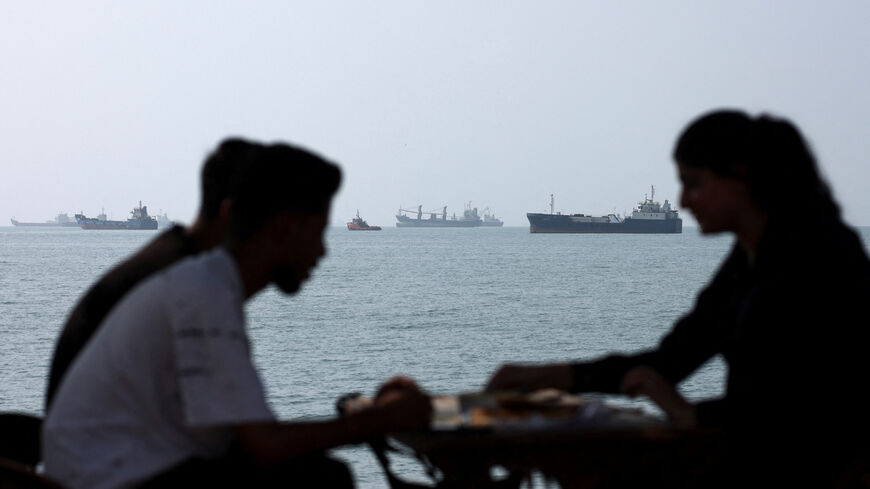
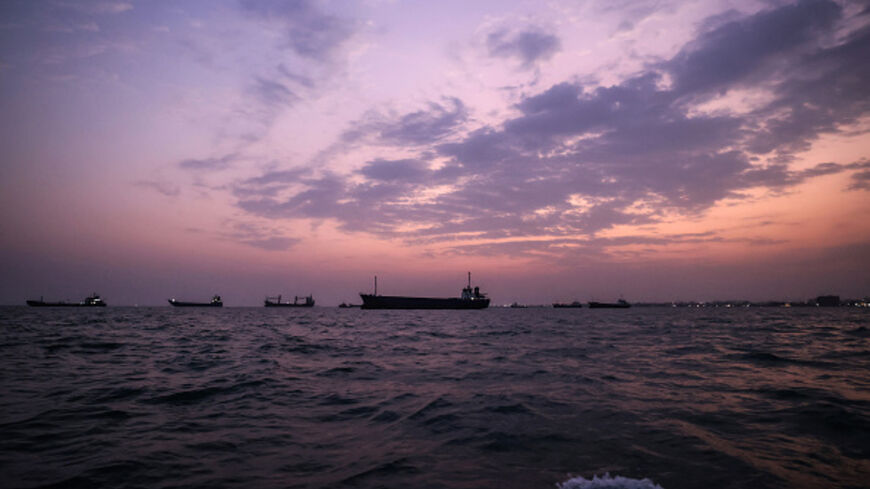
CAIRO/WASHINGTON/DUBAI, Sept 9 (Reuters) - Iran said on Wednesday it had attacked 10 ships near the Strait of Hormuz after the U.S. sank five Iranian oil tankers, in the biggest declared wave of tit-for-tat attacks on shipping by both sides since the start of the six-month-old war.
The attacks sent the price of oil surging, with benchmark Brent crude futures breaching $100 a barrel for the first time since July. At least one seafarer aboard a tanker was reported killed and another listed as missing.
Iran also said it had fired ballistic missiles at a base used by U.S. forces in Jordan. Attacks by both sides since the end of August have shattered a month of relative calm, with theU.S. and Iran hitting military, shipping and energy assets.
The Revolutionary Guards said they would sharply escalate their response to any further attacks, hitting 20 targets if the enemy struck two or three. Iran would soon release maps of a new, enlarged off-limits zone at sea that would extend as far as Chabahar on the far reaches of Iran's coast near Pakistan, the Guards said.
Recent days have also seen an escalation in fighting between Saudi Arabia and the Houthis in Yemen, a second theatre of war that threatens global energy supplies from the Middle East.
VIDEO SHOWS IRANIAN TANKERS ABLAZE
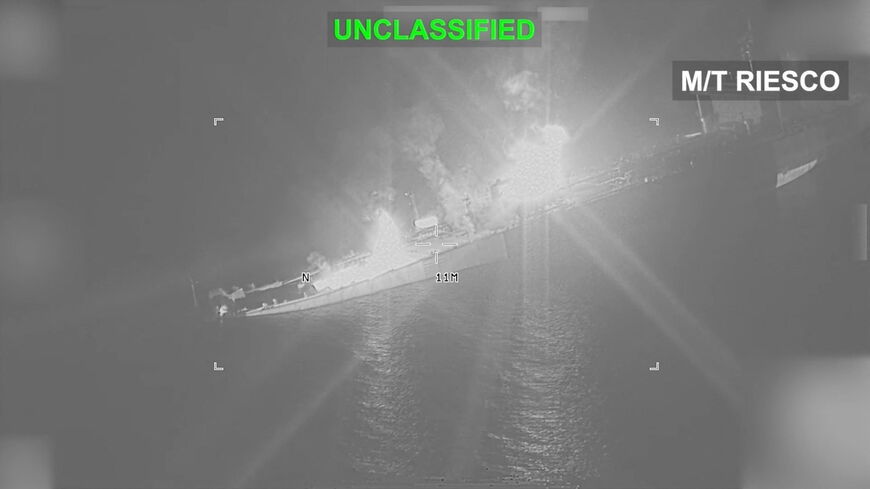
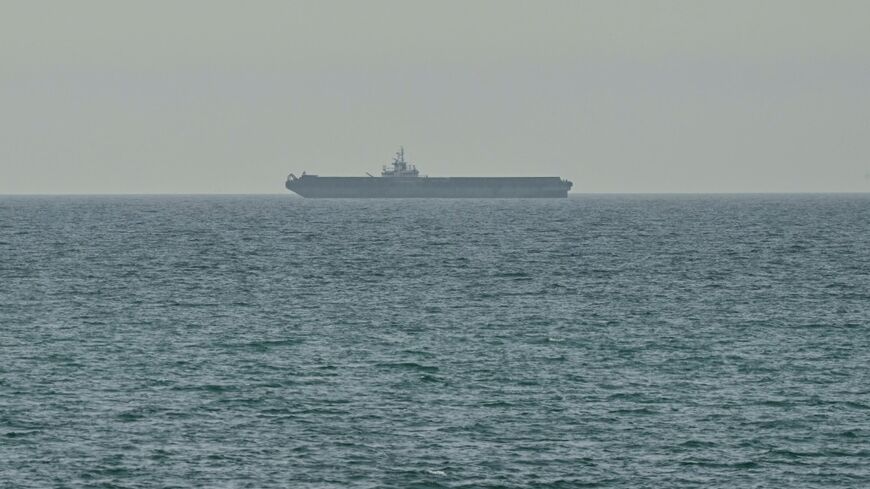
The Americans said they destroyed five Iranian oil tankers overnight, releasing video of ships ablaze before they sank. TheU.S. military's Central Command called its attacks a response to Iran's Islamic Revolutionary Guard Corps targeting aU.S. Navy warship twice with ballistic missiles over the previous two days. No Americans were harmed, the U.S. said.
Washington has announced a new policy of attacking Iranian tankers in retaliation for fire that threatens its warships, and says it has hit 10 so far over the past week.
"Iran continues to try to hitU.S. naval ships, and for every time they do that or try to do that, they're going to lose tankers," U.S. Secretary of State MarcoRubio told reporters during a visit to Colombia.
Iran said it fired on two U.S. ships and eight tankers in response.
One seafarer was killed aboard the oil products tanker Hercules Star while at anchorage off Dubai and another crew member was missing, the vessel's charterer, Peninsula, said. Maritime security sources said it may have been hit by a drone.
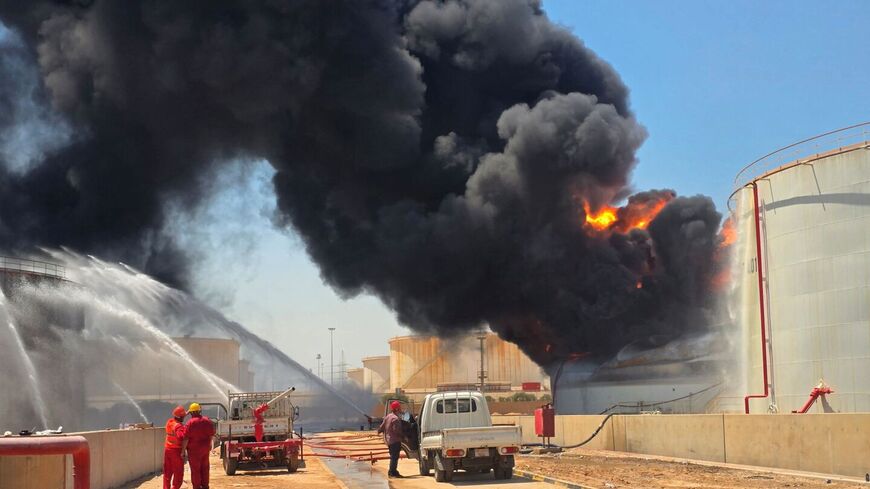
The British maritime security agency UKMTO described a vessel in the vicinity that was listing, possibly taking on water after being struck by a projectile. Reuters could not immediately determine whether this referred to the same ship.Two Iraqi port officials said a tanker carrying 2 million barrels of fuel oil, the New Andros, had caught fire after being struck by a drone in Iraqi waters. There were no reports of casualties among the 22 crew. The Iraqi government confirmed the incident and said the tanker had been used for storage.
The UKMTO said it had received reports of several merchant ships struck by disabling fire in the northern Gulf and Gulf of Oman, on either side of the strait.
Iran also threatened oil tankers in Kuwaiti and Bahraini ports, according to a statement carried by state media. A maritime security source reported a liquefied natural gas tanker was damaged in theEmirati port of Khor Fakkan.
The IRGC also said on Wednesday it had fired ballistic missiles at abase used by U.S. forces near AlAzraq, in eastern Jordan. Jordan said its air defences had intercepted 18 of the 20 Iranian missiles, with two falling harmlessly in unpopulated areas. AU.S. official said Iran’s strikes in Jordan were ineffective and all American troops were accounted for.
STRAIT CHOKED OFF
In recent weeks Washington had boasted of increasing success guiding tankers through the strait, which carried a fifth of oil supplies before the war. But any such gradual reopening appears to have been set back by a resumption of fighting this month.
Claudio Galimberti, chief economist at consultancy Rystad Energy, said flows through Hormuz had fallen back as low as 2 million barrels per day, having reached as high as 8 million to 9 million bpd in the week before fighting resumed on August 30.
Even more severe than the rise in crude prices has been a surge in the cost of the fuels refined from it. The politically sensitive average retail price of U.S. diesel hit a fresh all-time high on Wednesday above $5.94 a gallon. Gasoline is also more expensive than ever at this time of the year.
Escalating combat between Saudi Arabia and the Iran-aligned Houthi movement that controls most populated parts of Yemen has created additional uncertainty for energy markets.
On Tuesday, theHouthis launched an attack on four cities in Saudi Arabia, causing huge fires visible from space at oil installations. Saudi authorities said 73 people were wounded. The Saudi Press Agency released footage showing homes damaged and injured patients in hospital.
Saudi authorities announced alerts on Wednesday in two of the cities hit the previous day, but later said the threat had passed.
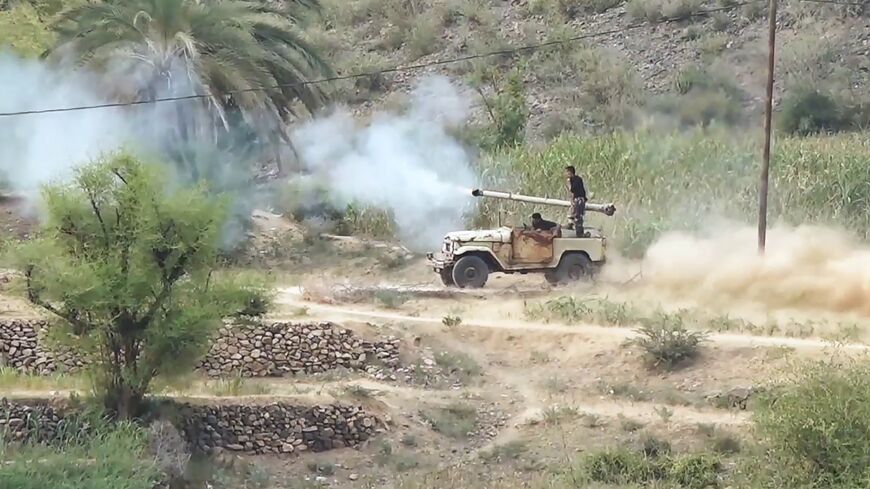
A Saudi-backed government based in the south of Yemen has launched a multi-pronged assault on areas controlled by the Houthis, who have threatened Saudi shipping in the Red Sea.
(Reporting by Elwely Elwelly, Jana Choukeir and Nayera Abdallah in Dubai and Enas Alashray in Cairo, and Idrees Ali and Simon Lewis in Washington; Writing by Peter Graff; Editing by Alex Richardson and Sharon Singleton)