Israel says it has cleared Hezbollah fighters from tunnels under key Lebanon ridge


By Maya Gebeily and Rami Ayyub
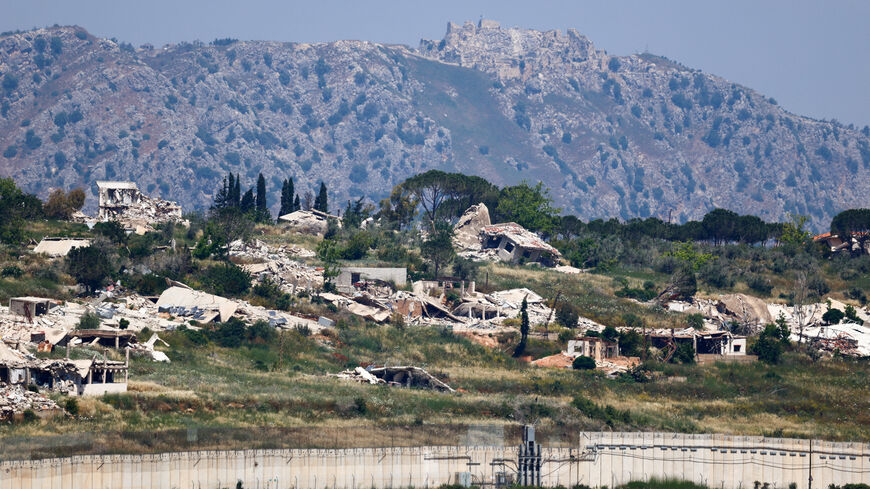
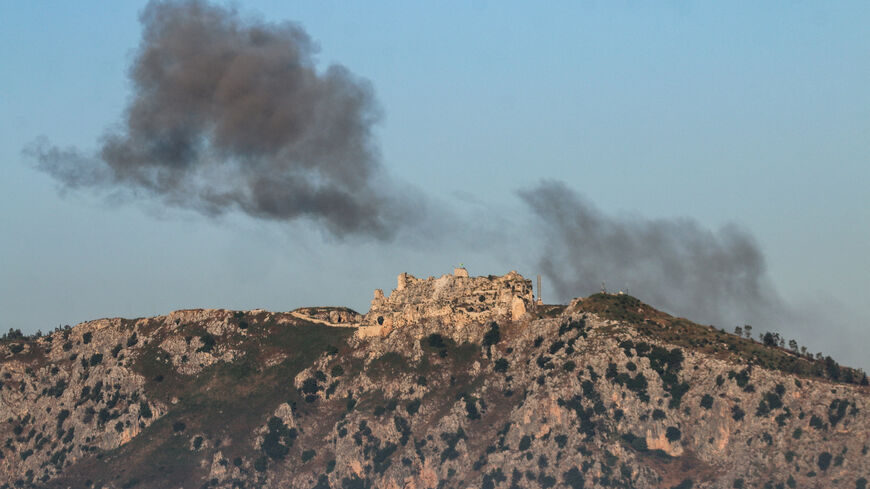
BEIRUT/JERUSALEM, Sept 4 (Reuters) - Israel's military has cleared Hezbollah fighters holed up in tunnels under the strategic Ali al-Taher ridge in southern Lebanon, Israeli Defense Minister Israel Katz said on Friday, though the Iran-backed group did not immediately comment.
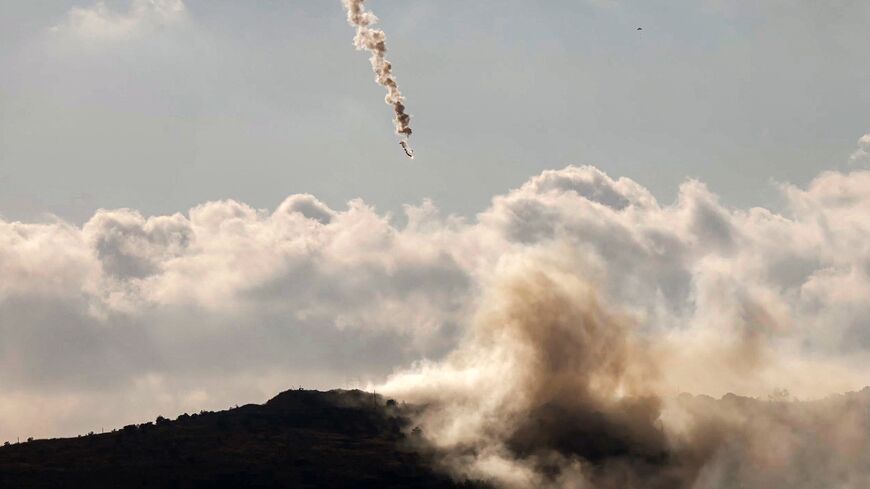
Israel had said Hezbollah fighters were embedded in tunnels under the ridge, which overlooks a wide area and had become one of the most hotly contested areas in the Israel-Hezbollah war, despite a ceasefire announced in June.
Reuters reported on Thursday that Iran had warned the United States last month that it would respond forcefully to an Israeli assault on its Hezbollah allies' positions within the ridge.
"The mission was completed and the tunnels were cleared of terrorists," Katz said on social media, after a statement by the military late on Thursday saying it had operational control of the ridge.
The military said some Hezbollah fighters had been "eliminated", while others had fled.
A Lebanese military officer said Israeli troops had seized the southern entrances to the complex and could monitor the northern entrances through surveillance drones.
The complex included various tunnels and storage areas, some of which were not connected to one another, and it was unclear how far the troops had penetrated, and whether any fighters were still there, or might have booby-trapped parts of the complex, the officer said.
Hezbollah did not immediately respond to a request for comment and Reuters was not able to verify the status of the ridge independently.
The Shi'ite Muslim group is believed to have built an underground command centre and weapons stores within the ridge and had said it would resist any Israeli assault.
ISRAEL RELEASES FIVE LEBANESE DETAINEES
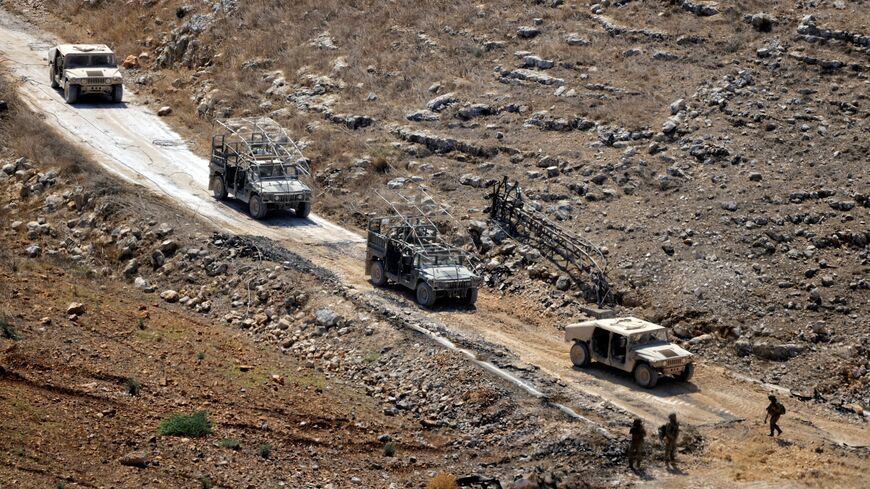
Israel has expanded its military presence across swathes of southern Lebanon since launching a new campaign against Hezbollah in March.
On Friday, Israeli authorities released four people who had been held in Israeli prisons after being detained by Israeli troops in southern Lebanon. They were transferred to Lebanese authoritiesvia the International Committee of the Red Cross, a day after one Lebanese man was released.
Israel said on Thursday that none of the five had been found to have ties to militant groups.
Hussein Ayyash, a 33-year-old releasedon Friday,said he was driving in the southern Lebanese town of Kfar Tebnit nearly three months agowhen Israeli soldiers approached andordered him out of his car.
He said he was blindfolded and handcuffed, and then slept several days in various homes in southern Lebanon before being transferred into Israel and held in solitary confinement, sometimes for up to 30 days.
"Then they move you to prison, a normal room. There are places, called a cage, you sit in it. There are some people -- Syrian nationals, Lebanese nationals, Palestinian nationals -- all the nationalities, the different ones, are in prison. You get moved from room to room every once in a while, every 40 days, 30 days," Ayyash told Reuters.
He said he was asked whether he had ties to Hezbollah, and was not tortured but suffered mental strain.
"You have to talk. They have all the information. Psychological pressure isn't easy -- you're in a country that isn't yours, you're with people you don't know, and you don't know when you'll leave," he said.
The Israeli military did not immediately respond to Reuters questions about Ayyash's detention.
Ayyash's mother, Layla Hamdan, 58, said she was delighted her son was back, adding: "God willing, may all the hostages returned to their mothers and their families."
ISRAEL SEEKSREMAINS OF JEWISH LEADERS
The release of the detainees is part of confidence-building measures agreed in U.S.-brokered talks between Lebanon and Israel.
A Lebanese committee advocating for Lebanese in Israeli custody says Israel has detained dozens of people inside Lebanon over the last six months. Some have been released after days or weeks, others remain in Israeli custody.
The ICRC said on Friday it had not had access to anyone in Israeli detention since October 2023.
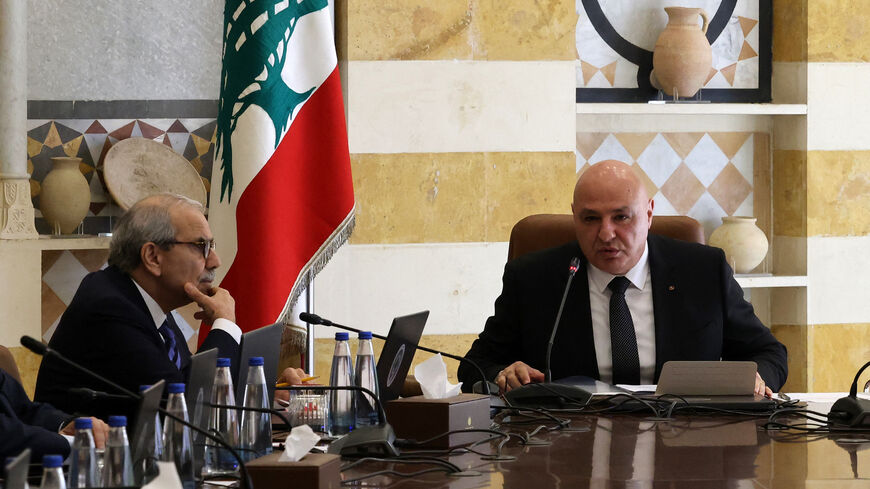
Lebanese President Joseph Aoun said those freed this week were among a "first batch", suggesting more could be coming.
Israeli Prime Minister BenjaminNetanyahu said Lebanon would also transfer the remains of Jewish figures killed in Lebanon in the 1980s to Israel, although there were no details of names or any timeframe.
(Reporting by Maya Gebeily and Rami Ayyub; Writing by Angus McDowall; Editing by Kevin Liffey)