Iran’s execution drive intensifies as war provides cover for repression
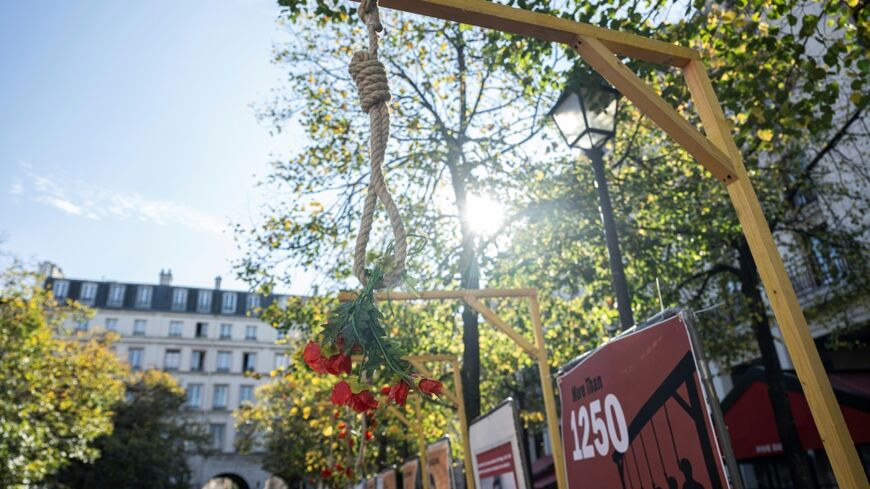
Iran has recently executed more protesters, raising fresh questions about how it is using wartime narratives and global inattention to reshape its approach toward dissent and instill societal fear.


On Monday, two Iranian men identified as Alireza Sepahi and Alireza Raisi were executed in connection with the January nationwide protests, as the country's judiciary said the Supreme Court had upheld their death sentences.
According to the judiciary's Mizan News Agency, the two were among defendants in the Alikhani Square case in the city of Isfahan, where authorities say four security personnel were killed during demonstrations on Jan. 8, a case that has already seen five other people executed, while seven more have been handed the same verdict.
The latest two cases bring to 34 the number of people known to have been sent to the gallows over the January protests alone, according to a tally by the Norway-based Iran Human Rights Organization.
The death penalties were carried out as three women in separate politically sensitive cases faced execution. Mozhdeh Hashemi Bazargani, whose sentence was confirmed by the Supreme Court, has alleged torture, forced confessions and denial of a lawyer of her choice, according to rights organizations. Soda Ebrahimi Shamsabadi was sentenced to death over charges including national security offenses, alleged intelligence activity and sending images to Persian-language media abroad. Mahboubeh Shabani has also been given the same sentence in a case in which authorities reportedly accused her of helping and transporting wounded protesters on a motorcycle.