Limpet mine attack in Hormuz suggests Iran may be shifting tactics
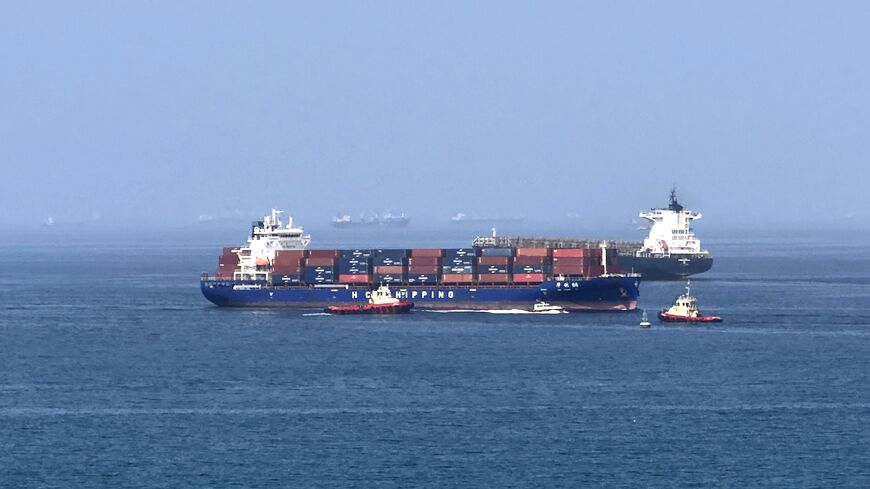
UKMTO report of the first successful limpet mine attack on a commercial vessel in the Middle East since 2019 appeared to undermine the Pentagon's claims to have fully cleared and opened the Strait of Hormuz.


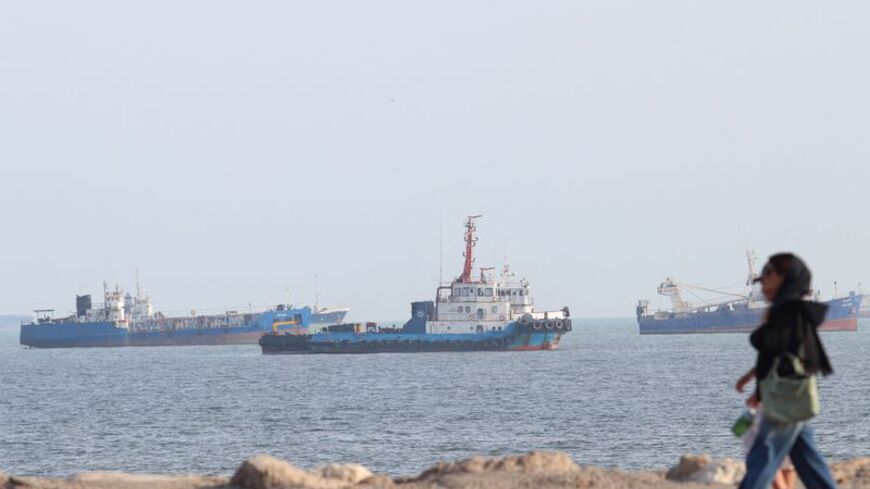
WASHINGTON — A UAE-owned crude oil tanker was damaged by limpet naval mines late on Thursday night, a UK-based maritime monitoring agency reported, suggesting a potential shift in tactics by Iran’s Islamic Revolutionary Guard Corps (IRGC) as it struggles to inhibit shipping in the Strait of Hormuz.
The M/T Louise-1 was disabled while transiting the Strait of Hormuz after two limpet mines that had been attached to its hull above the waterline by attackers aboard a small boat detonated, causing a fire in its engine room after 10 p.m. local time, the UK Maritime Trade Organization (UKMTO) monitoring agency said. The Louise’s crew was unharmed, the agency reported.
Limpet mines are explosives, typically magnetic, that can be affixed to a ship’s hull by hand. Friday’s attack marked the first reportedly successful use of the weapon by Iran in the region’s waters since June 2019, when a series of such attacks on commercial tankers helped bring the first Trump administration to the brink of launching extensive airstrikes against Iran. Iran’s government denied responsibility for those attacks, as it has in previous incidents.
The US military, which has been coaching commercial vessels through the strait and providing aerial overwatch, has not confirmed the attack.