What Houthi airport attacks mean for Saudi Arabia’s aviation ambitions
The kingdom has spent recent years pouring billions into a new airline and airport infrastructure amid efforts to compete with established Gulf travel hubs.


A weekend of deadly Houthi attacks has kept Riyadh's main airport closed through Oct. 17 and prompted airlines to extend flight suspensions, delivering another setback to Saudi Arabia’s ambitions to become a global aviation hub. Saturday’s strike, which killed 13 people and wounded more than 300, was the deadliest attack in the kingdom in more than a decade.
The kingdom has spent recent years pouring billions into a new airline and airport infrastructure projects as part of a bid to compete with established Gulf rivals and position Riyadh as a global aviation hub. Aerial attacks by the Yemeni militants have exposed just how vulnerable those ambitions are, as the US-Iran conflict continues to disrupt one of the world’s key corridors for international air travel.
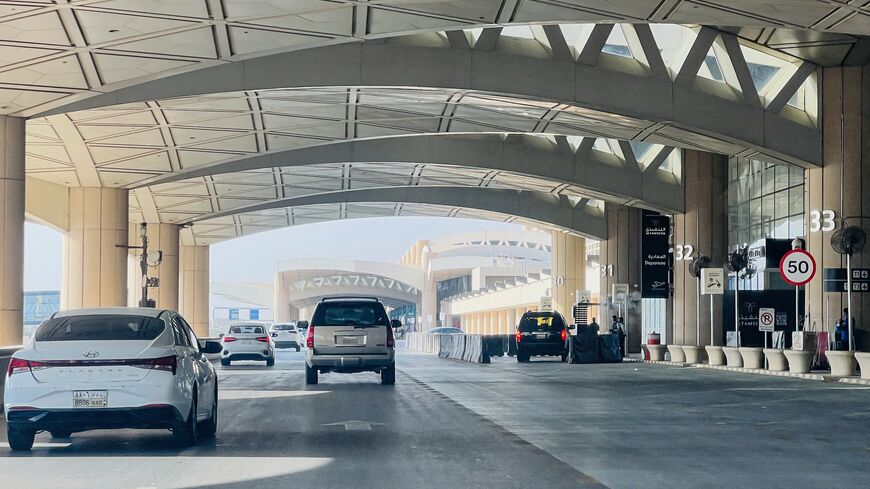
What happened: A Notice to Airmen published on Flightradar24 said King Khalid International Airport would remain closed through Oct. 17 for precautionary reasons. Saudi Arabia’s General Authority of Civil Aviation (GACA) separately confirmed that the suspension would continue while safety and operational checks were being completed, without specifying a reopening date.
The airport has been closed since Saturday’s attack. Another strike on Sunday killed one person and injured 11. The weekend attacks followed two strikes on Oct. 8 that killed three Saudi citizens and damaged a Saudia aircraft on the ground.