Iran's alleged cyberattacks in France raise fears of wider confrontation
Iran's wartime threats are increasingly reaching beyond the Middle East, exposing vulnerabilities in Europe's civilian infrastructure and raising questions about Tehran's use of deniable operations to pressure its adversaries.


TEHRAN — France's accusation that Iran's Islamic Revolutionary Guard Corps (IRGC) orchestrated a cyberattack on hundreds of supermarkets has added a new dimension to the conflict between Tehran and the West.
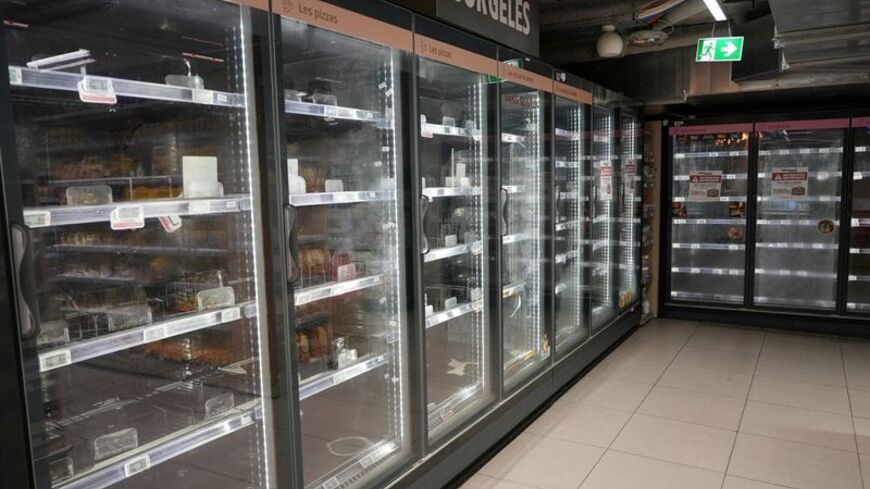
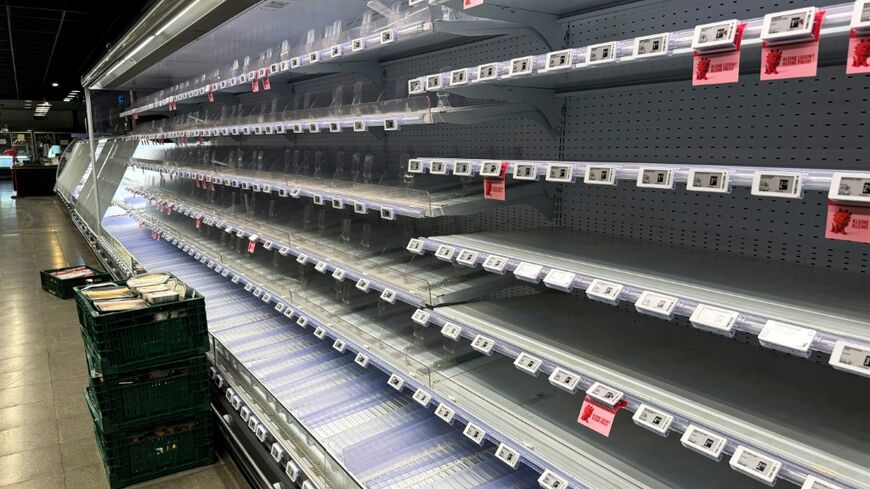
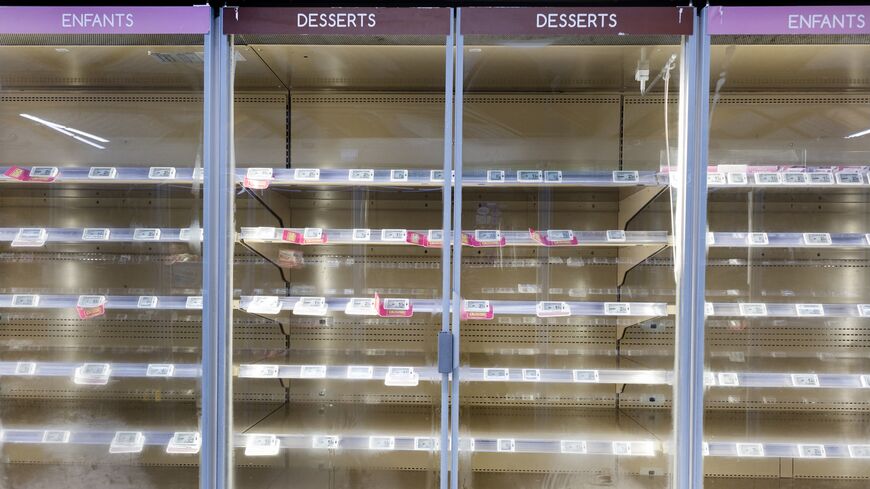
By manipulating refrigeration systems, the attackers caused extensive food spoilage and fires, according to French authorities. The operation was notable mainly for the vulnerabilities it exposed, demonstrating how internet-connected infrastructure can be targeted far from any battlefield. As the French newspaper Le Monde highlighted, it also showed how French authorities have fallen behind in implementing EU cybersecurity laws.
The allegations also come at a significant moment. Late last month, Iran's Supreme Leader Mojtaba Khamenei instructed senior military commanders to respond to any enemy threat "without geographical restrictions," while ordering an update of the country's list of potential targets to include American and Israeli assets. The statement came as Washington and Tehran remained locked in a fragile confrontation following the 40-day war earlier this year.
There is no public evidence that Khamenei's directive specifically authorized cyber operations. Yet the broader message is that any renewed conflict could extend beyond Iran's borders and conventional military targets. Cyber operations offer one way to carry out that threat without launching missiles or deploying armed forces.