US ‘would welcome’ UN leader from Latin America, says Waltz amid gridlock
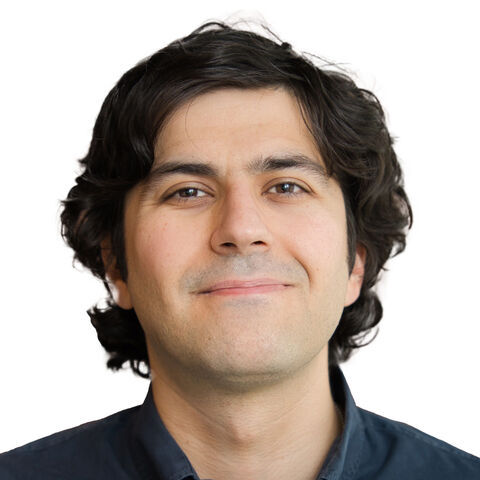
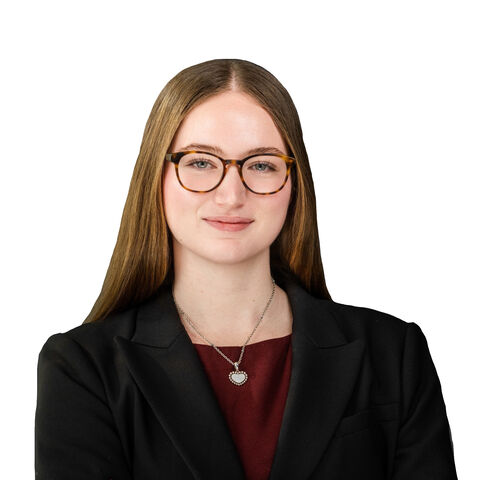
Former UAE ambassador to the United Nations Lana Nusseibeh jumped to third in Friday’s straw poll while still receiving three "discourage" votes from permanent security council members.

NEW YORK CITY/WASHINGTON — US Ambassador to the United Nations Mike Waltz told reporters on Friday that the United States would welcome the idea of having the UN secretary-general come from Latin America.
Waltz made the comments after the latest straw poll in which Costa Rica’s Rebeca Grynspan continued her lead and the UAE’s Lana Nusseibeh advanced from fourth to third place behind Rafael Grossi.
Waltz said that Washington would welcome a candidate from Latin America, noting the region is part of the “United States’ hemisphere.”
“We would welcome and encourage and want a candidate from Latin America to emerge. We also want the best candidate to emerge,” he said. “Unfortunately, there hasn't been consensus yet.”
Waltz added it may be time for candidates who have not received significant support to “step aside.”
The Friday poll was color-coded, meaning results distinguish between votes cast by the UN Security Council's five permanent members (P5) and its 10 elected members. The poll does not show which way each individual member voted.
According to results published by PassBlue, Grynspan received 10 encourage votes, including three from the P5, and four discourage votes, including two from the P5. She also received one vote expressing no opinion.
Bottom line: The deadlock over selecting a new UN Secretary-General continues as @antonioguterres's tenure nears its end. https://t.co/tmX4NBLEfw
— The UN Times (@TheUNTimes) November 20, 2026
Argentina's Grossi received eight encourage votes, six discourage votes and one no-opinion vote. Of those, two encourage and three discourage votes came from the P5.
Nusseibeh received seven encourage votes, six discourage votes and two no-opinion votes, including two encourage and three discourage votes from the P5. Nusseibeh's candidacy has drawn scrutiny over the UAE's alleged support for Sudan's paramilitary Rapid Support Forces, which has been accused of widespread atrocities in the country's war. The UAE has repeatedly denied arming the group.
Guyana's Carolyn Rodrigues-Birkett received six encourage votes, six discourage votes and three no-opinion votes, including three encourage and two discourage votes from the P5.
The other four candidates are Uganda's Olara Otunnu, Turkey's Feridun Sinirlioglu, Ecuador's Maria Fernanda Espinosa Garces and Ivonne A-Baki. All four have trailed the leading contenders in previous straw polls and continue to do so.
Grynspan’s lead was wider in the last straw poll on Nov. 5. In that one, she received 12 encourage votes to Grossi’s nine, Rodrigues-Birkett’s eight and Nusseibeh’s seven, marking the Costa Rican’s widest margin yet.
Richard Gowan, program director for global issues and institutions at the International Crisis Group, said the Security Council “seems to be going around in circles” over the decision. On the possibility of a leadership vacuum once current Secretary-General Antonio Guterres’ term ends Dec. 31, Gowan said, “I still think a last-minute compromise deal is more likely than a leadership vacuum, but we have to say that the risks of a vacuum have gone up by a few percentage points with today’s results.”
He described a pushback against new candidates from outside of Latin America. “The most recent entrants have faced quite a bit of pushback, especially from the Latin Americans who do not want anyone from another region to win,” Gowan told Al-Monitor.
Gowan said that Nusseibeh faces a difficult path to victory, given the three discourage votes she received from permanent Security Council members.
“They can always reverse their positions, so it is not game over,” he said, adding that Nusseibeh and her supporters “will need to push hard to get all three to flip.”
Latin America and the Caribbean are widely viewed as next in line for the post under an informal practice of regional rotation, though there is no requirement. China has repeatedly voiced support for the regional rotation principle and was seen as a potential holdout on Nusseibeh's candidacy. She met with China's ambassador to the UAE, Zeng Jixin, on Wednesday. Of the remaining candidates, Grynspan, Grossi, Rodrigues-Birkett, Garces and A-Baki are from the Western Hemisphere.
Grynspan led the previous poll, conducted on Nov. 5, with 12 encourage votes, followed by Grossi with nine and Rodrigues-Birkett with eight. Nusseibeh placed fourth with seven.
The secretary-general is appointed by the General Assembly on the recommendation of the Security Council. A candidate needs at least nine votes and no opposition from any of the five permanent members, which hold veto power.
The next secretary-general is scheduled to take office on Jan. 1, 2027 after Guterres’ term ends the day prior.
Update: Nov. 21, 2026. This article has been updated to include additional quotes from Ambassador Mike Waltz and draw distinction between the Western Hemisphere and Latin America.
This one's on us.
The story doesn't end here.
Our correspondents are already on the next chapter. Read everything they file, from $2/week.