War, oil, AI: What US midterms could mean for Middle East economies
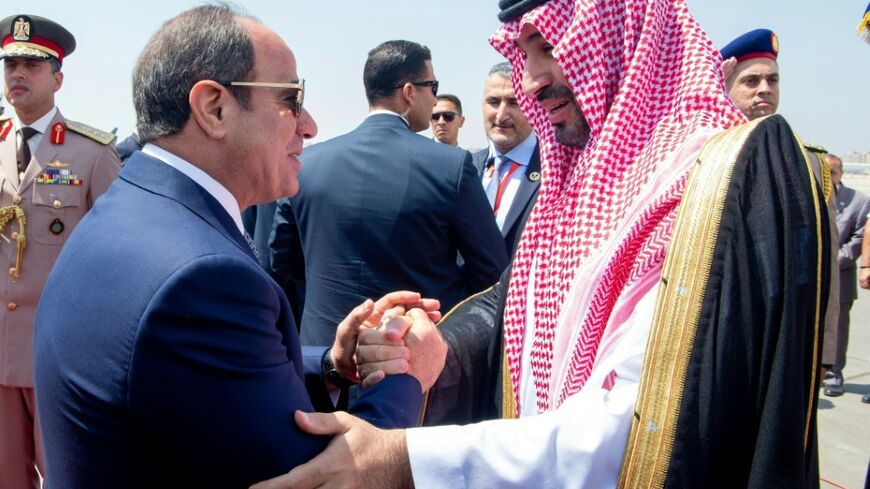
Governments across the Middle East will be watching closely after the election amid fears the US-Israel-Iran war could spiral into a new cycle of violence.


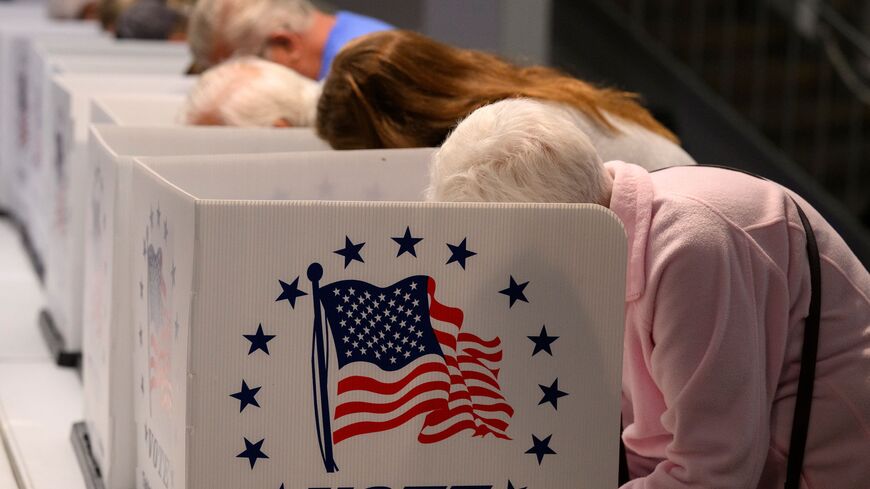
US voters head to the polls Tuesday focused on living costs, the rule of law, culture wars and an Iran conflict that has kept gas prices elevated. Across the Middle East, governments will be watching what comes next and bracing for potential hits to their economies.
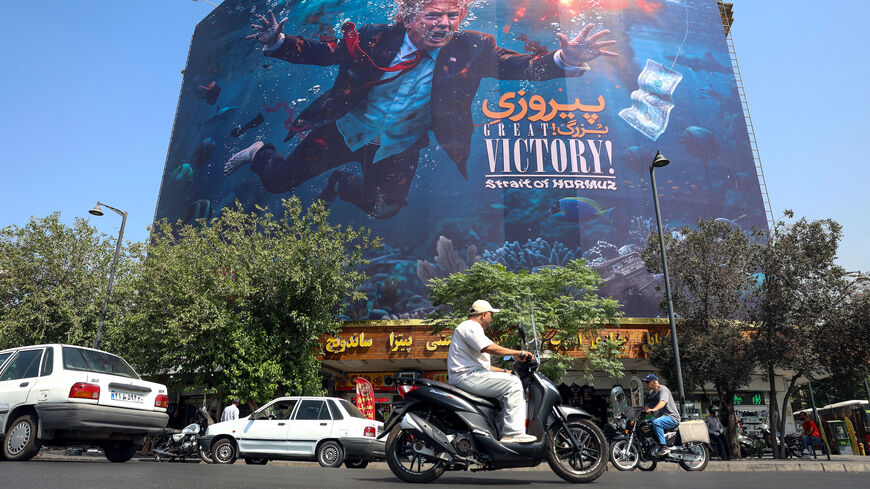
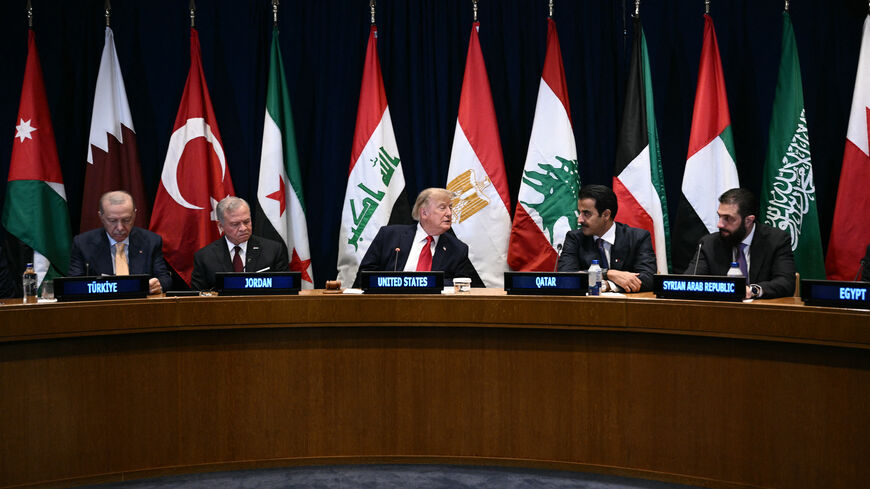
The most immediate concern is whether the United States and Israel will resume strikes on Iran, potentially sparking another retaliatory spiral of violence ensnaring Gulf states. But the high-stakes US midterm elections could also impact everything from Washington’s commitment to keeping the Strait of Hormuz open to scrutiny of regional business deals.
The vote itself won’t determine all those outcomes, but it could reshape the political calculations behind them as Democrats appear poised to claw back some political power from President Donald Trump’s Republican Party.
Iran’s next phase