Is Defection of Syrian General Part of Russian Plan?
There are reports that a high-ranking Syrian Alawite officer, Gen. Ali Habib, has left the country, leaving some thinking this could be part of a Russian plan to reach a solution to the conflict.
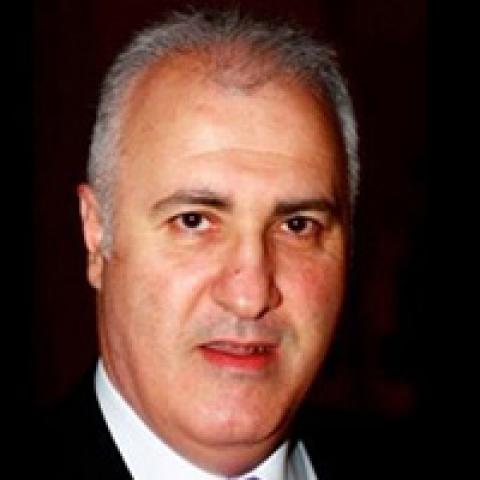

Did the Ghouta chemical attacks serve as the opportunity that had been sought for more than two years to conclude an American-Russian agreement, ensuring a peaceful transfer of power in Syria? What does this have to do with the reports disseminated in the past two weeks about one of the most prominent Alawite army officers traveling outside Syria?
A Lebanese official closely observing American-Saudi communications concerning Syria explained to Al-Monitor that Washington had been thinking of an agreement process, to be implemented over several stages, ever since the Syrian crisis escalated and was transformed into a bloody war of attrition with no solution.
For the past two years, at least, Washington has been proposing a heading for this: an agreement that starts with President Bashar al-Assad and ends without him. This agreement has often been referred to as a “Yemen solution in Syria” in the sense of launching a peaceful and slow course that prevents Syria from having to politically reposition itself on the regional level and achieves a hierarchy in the agreement, which starts with the current ruling powers and peacefully replaces them. This is the kind of solution that is divided into three stages. First, the regime and its ruling figures will not be replaced at this time. Instead, only new opposing elements will be added, and they will play a part in governance. Second, the regime figures will be changed in the medium-term. And third, there is hope to achieve a total regime change in the long term.
On the other hand, Moscow was not completely distant from this line of thought, even if partially. Russian delegations used to move between Damascus and Beirut during official missions. Al-Monitor met with them during the majority of their visits, during which they wondered about the necessary conditions to secure a solution in Syria similar to that of Yemen. They would then answer themselves: There are three required conditions — first, ensuring the position of the army in the agreement; second, ensuring the participation of minorities in the new regime so as the agreement would not be founded on a Sunni extremist massacre against Alawites, Christians, Druze and even moderate Sunnis; and third, the availability of a proper opportunity to launch this agreement.


