Oil falls 1.8% as traders await 'toughest' sanctions on Iran
Traders are awaiting details about new US measures sure to further disrupt Iranian oil flows.


Oil prices fell more than 1.8% on Monday, hours before the Trump administration was due to unveil sweeping new sanctions on Iran and countries doing business with Tehran.
Traders were awaiting details of the measures, which could further squeeze Iranian oil flows and disrupt supplies from the Middle East.
What happened: Brent crude, the international oil benchmark, traded at $93.00 at 8:44 a.m. EDT, down 1.44% from yesterday's close.
US Treasury Secretary Scott Bessent, who is set to hold a press conference in Washington at 1 p.m. EDT, has threatened to impose “the toughest sanctions in history” on Iran. In a Truth Social post last week announcing the measures, US President Donald Trump also threatened countries doing business with Iran with severe financial penalties.
Why it matters: Weeks of talks to end the war, curb Tehran’s nuclear program and reopen the Strait of Hormuz are at a deadlock.
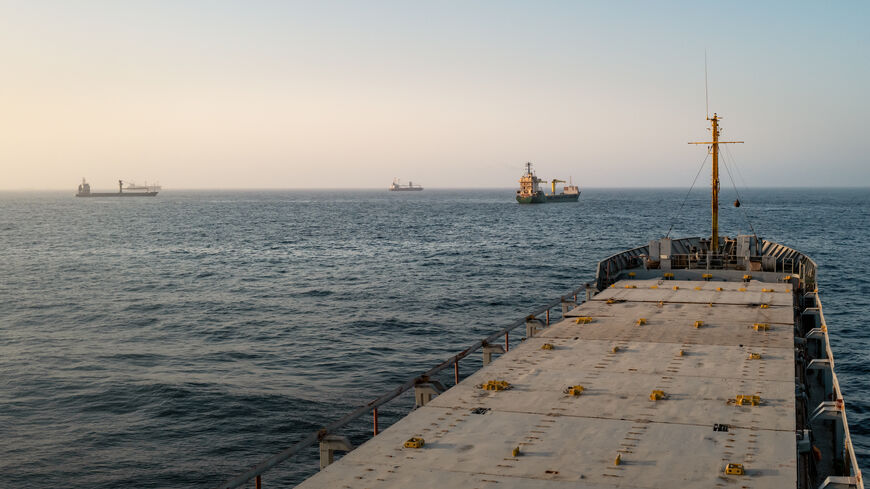
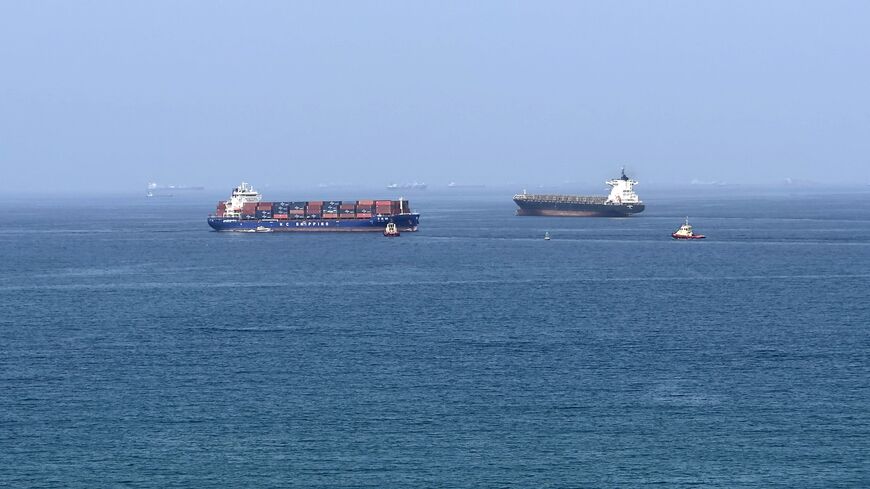
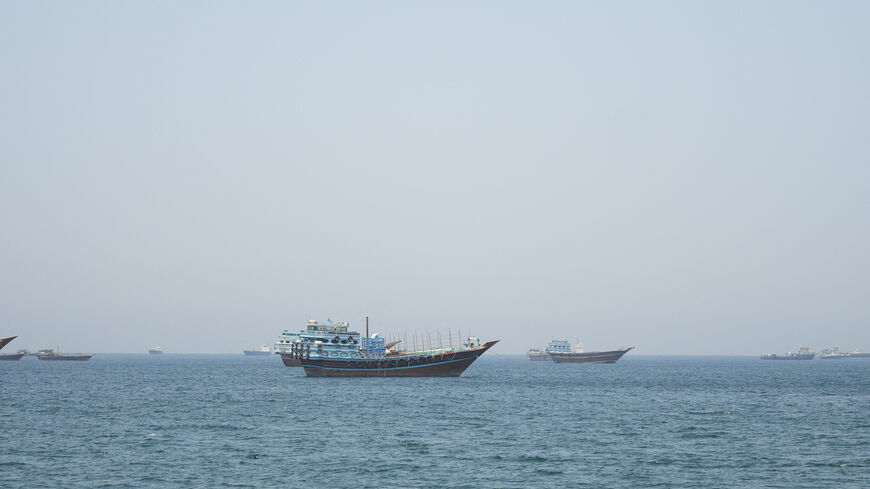
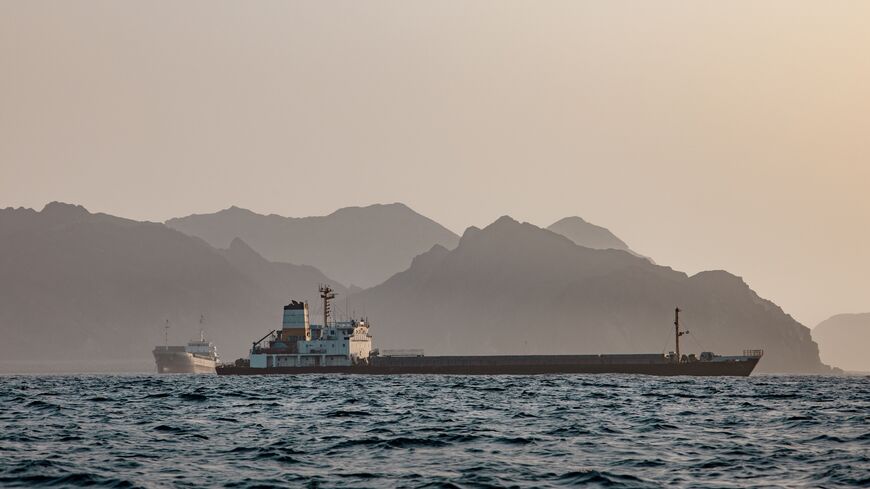
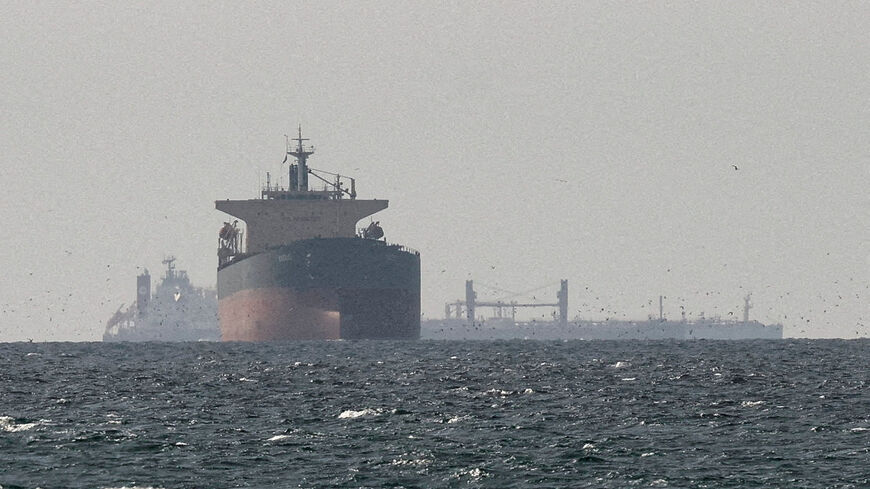
Traffic through the Strait of Hormuz, a key energy conduit that in peacetime saw around a fifth of the world’s oil and liquefied natural gas transit through it, has been choked off since the start of the US-Israel-Iran war on Feb. 28. As a result of supply disruptions, hundreds of tankers have been trapped in the strait and oil prices have risen due to supply concerns, peaking at nearly $115 in early May, up from around $70 before the war.
Traffic remains low, with less than 20 ships transiting the Strait of Hormuz over the weekend, according to data from maritime analytics firm Kpler.
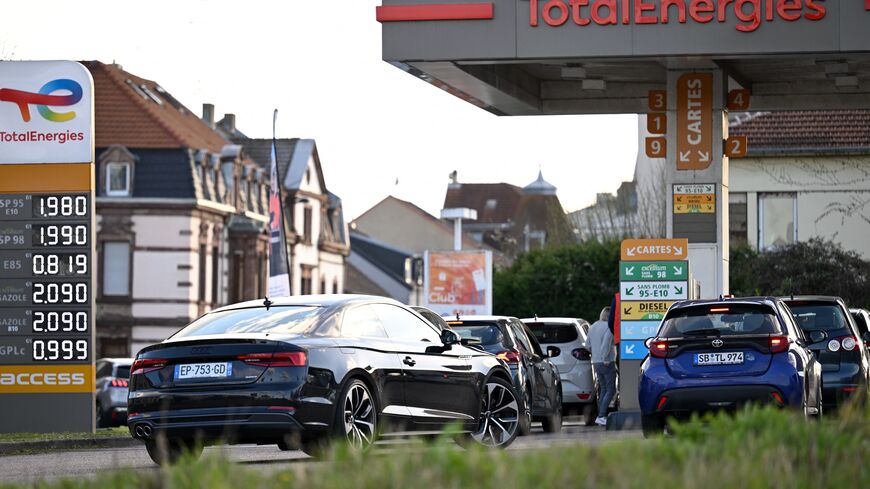
Know more: Speaking Monday at the ONS conference in Stavanger, Norway, Patrick Pouyanne, the CEO of TotalEnergies, said that oil is flowing through the Strait of Hormuz “very quietly,” Bloomberg reported. Many vessels have turned off their radar transponder systems to avoid being detected and potentially attacked by Iran's Islamic Revolutionary Guard Corps.
Pouyanne added that freight and insurance costs had surged to around $20 million per supertanker for a round trip through the Strait of Hormuz. TotalEnergies is buying crude inside the Gulf at around $50 to $60 a barrel as producers are “desperate” for companies to shift their oil.
“I will continue to invest in the Middle East, but I will need to have an alternative route for new investment in Iraq,” Pouyanne added. Iraq and Qatar in particular rely heavily on the waterway to export energy.