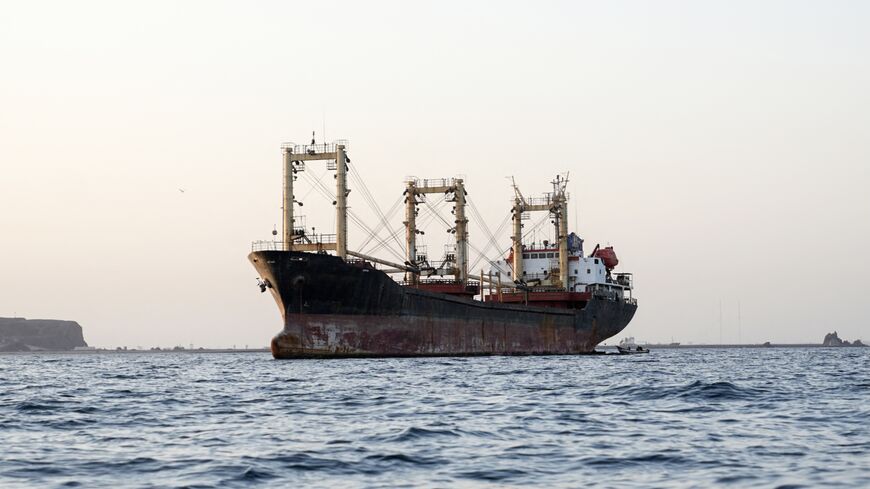
Gulf oil exports surpass prewar levels despite escalating tanker attacks
According to data from Kpler, oil shipments through the Strait of Hormuz and alternative routes across the Middle East averaged more than 24 million barrels a day last week, surpassing prewar levels of 23.3 million.


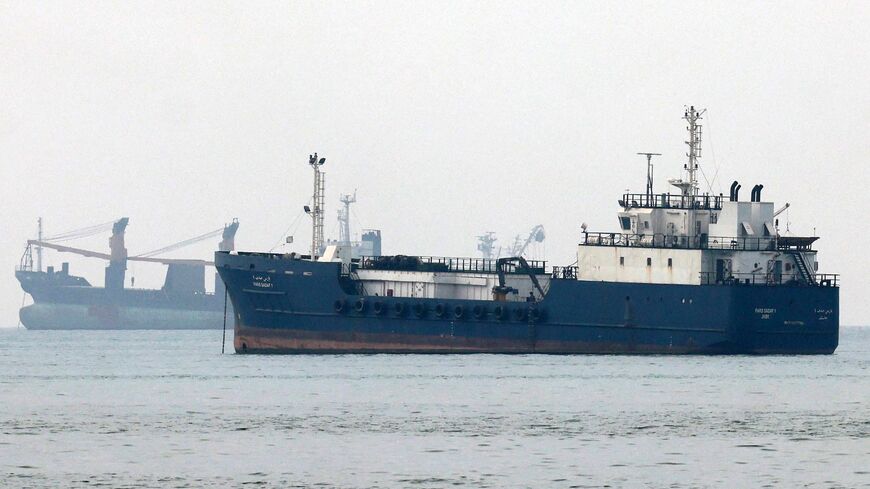
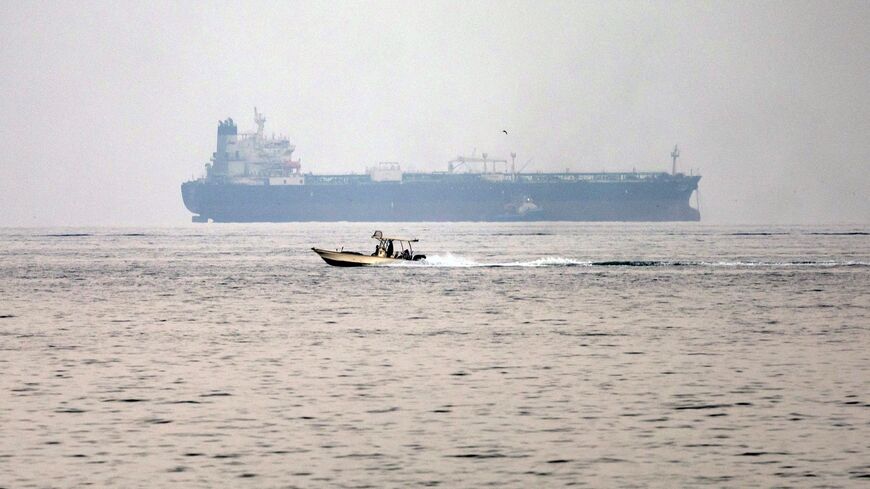
Oil exports out of the Gulf have surpassed prewar levels, as a makeshift shipping system supported by the US Navy and the greater use of alternative routes keeps crude flowing even as Iran intensifies attacks on vessels in the Strait of Hormuz.
What happened: Oil shipments through the Strait of Hormuz and alternative routes across the Middle East averaged more than 24 million barrels a day last week, surpassing prewar levels of 23.3 million, according to preliminary data from maritime data company Kpler.
Pipelines that bypass the Strait of Hormuz have helped drive the recovery. Kpler estimated that around 40% of non-Iranian crude shipped from the Gulf last month traveled through alternative routes, compared with 17% before the war.
Oil flows through the Strait of Hormuz, including ship-to-ship transfers in the Gulf of Oman, averaged around 14 million barrels a day over the same period, equivalent to 82% of prewar levels.
Why it matters: The recovery shows how Middle Eastern producers and shippers have found ways to keep oil moving despite the disruption that has continued since the United States and Israel launched the war against Iran on Feb. 28. But higher export volumes have not eliminated the threat of further supply disruptions or replenished depleted inventories, leaving prices elevated.