Putin's Iran diplomacy faces limits as Russia eyes Ukraine concessions
As US-Iran tensions escalate, Russia is stepping up mediation efforts, hoping to gain leverage with Washington over Ukraine despite its limited influence on Tehran.


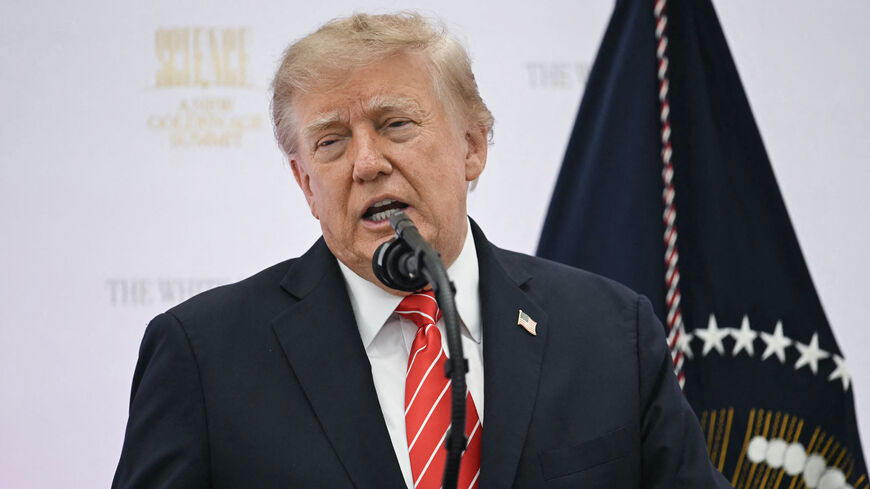
MOSCOW — With reports of preparations for a new US military operation, Iran appears to be playing the unpredictability card over a potential ground offensive: the Islamic Revolutionary Guard Corps (IRGC) has threatened to invade any Middle Eastern neighbor that supports the US campaign. Momentum has thus shifted once again toward military confrontation, even as both sides pursue parallel diplomacy through shuttle consultations.
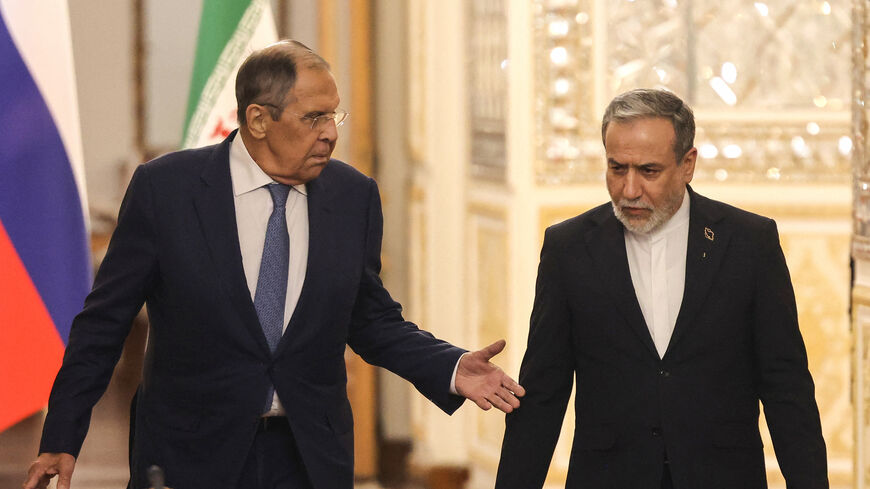
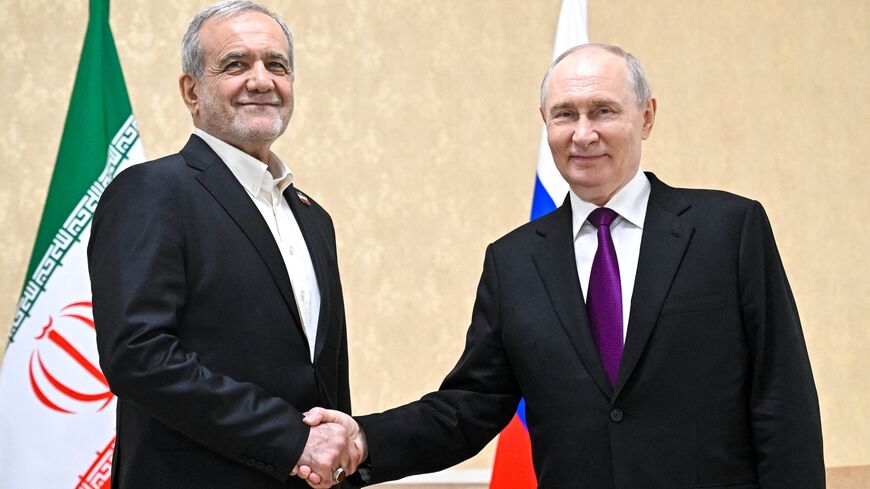
Russia has emerged as a central player in this parallel diplomacy. On Oct. 21, Russian President Vladimir Putin received US President Donald Trump's special envoy, Steve Witkoff, in St. Petersburg. In addition to discussing Ukraine, Putin said diplomatic options regarding Iran had not been exhausted and that Moscow was ready to help facilitate a settlement.
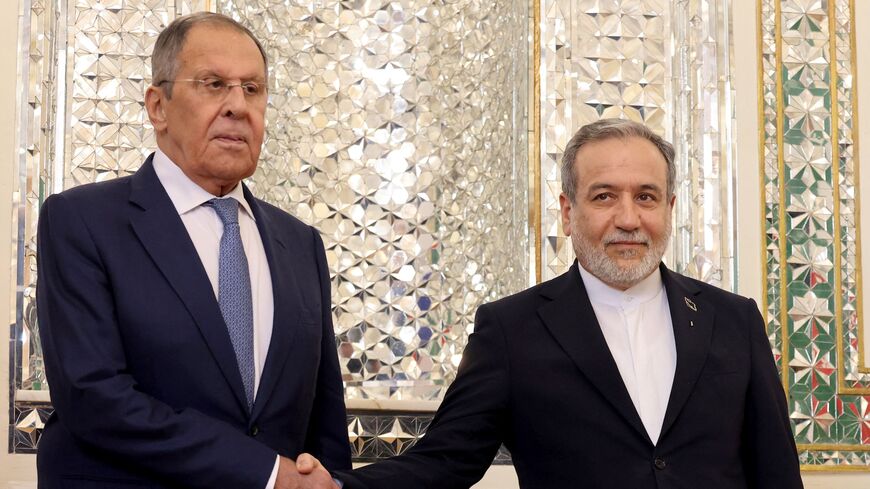
Russian diplomacy had been active in the region well before the meeting at Constantine Palace. Moscow also proposed a specific mechanism: transferring roughly 440 kg (970 pounds) of Iranian uranium enriched to 60% to Russia. Tehran, however, refuses to ship its stockpiles abroad, viewing them as a deterrent.
Sources in the Russian diplomatic corps told Al-Monitor that the proposal to transfer the enriched uranium is practically the only card Moscow has to play. The Kremlin hopes its willingness to mediate will be appreciated by Trump and ultimately translate into leverage on Ukraine.