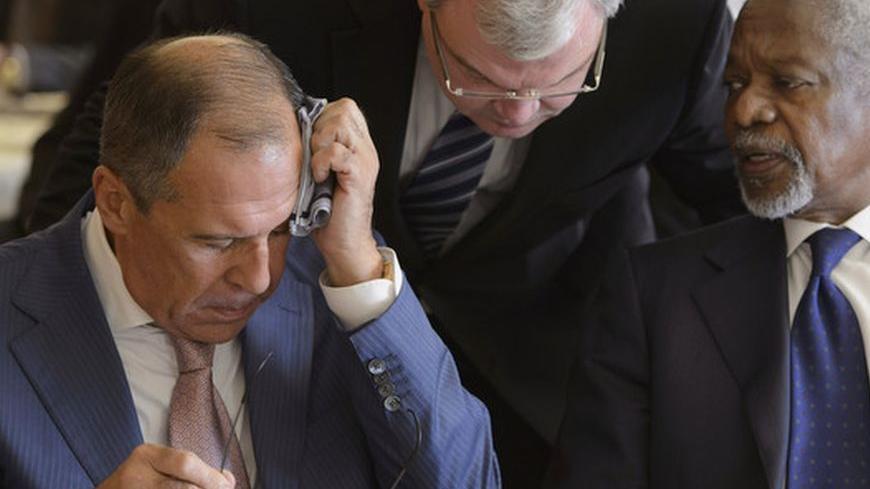
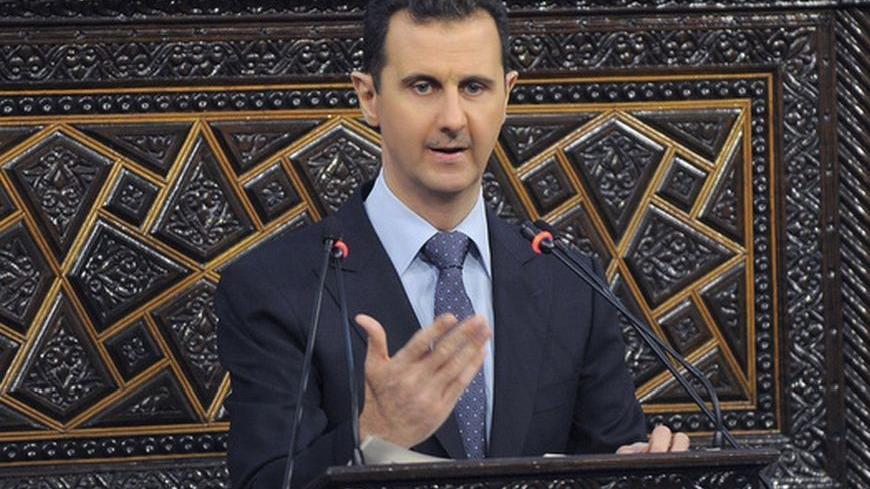
The formal resignation of UN special envoy Kofi Annan reveals a reality that has been clear for some time: The margin for a diplomatic solution was always small to nonexistent at best.
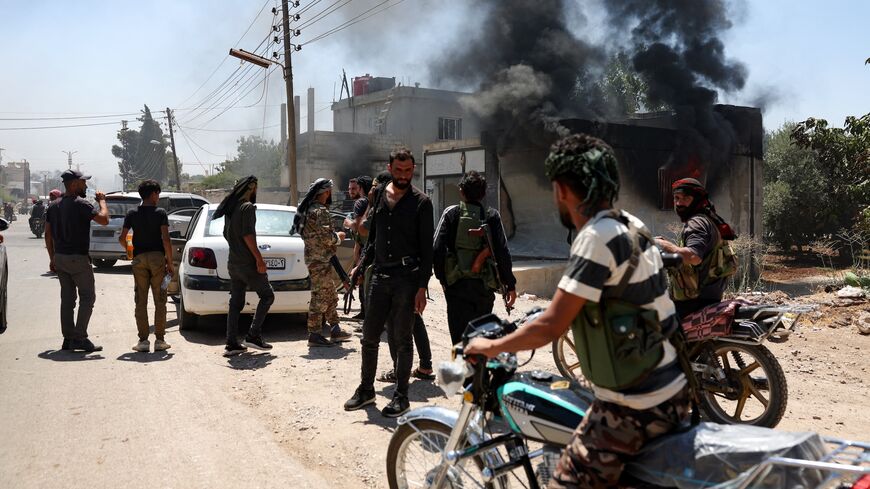
By the time Annan picked up his brief, the real tragedy of the Syria situation had already been exposed. Too much blood had flowed to sustain a neatly negotiated transition between the rebels and the Assads, and not enough had been spilled to prompt a large-scale foreign intervention to tip the balance against the regime.
Barring some event — a massacre that takes us beyond the levels of the horrific violence we've witnessed so far or the use or loss of Assad's chemical-weapons stocks — it's in this middle ground where the Syria story is likely to play out.
Today's revelation that President Obama signed an intelligence "finding" authorizing more support for the Syrian opposition is part of the administration's incremental middle-ground strategy. The goal is to find a way to support the rebels from the sidelines without creating a slippery slope toward military intervention and to gain additional information about who's who on the ground. It's not just the risks of greater involvement in the Syrian mess that the president fears, particularly in an election year, but the unknowns, including how the provision of military/lethal assistance will contribute to the end state, and what precisely that end state will be.
AL-MONITOR All-Access gives you unlimited access to all our journalism, the full Daily Briefing, exclusive interviews, premium newsletters, and live events — for less than $2/week.