On Monday in Yemen’s eastern province of Hadramout, a bomb exploded outside a gathering of southern Yemeni leaders. The detonation was premature and there were no casualties.
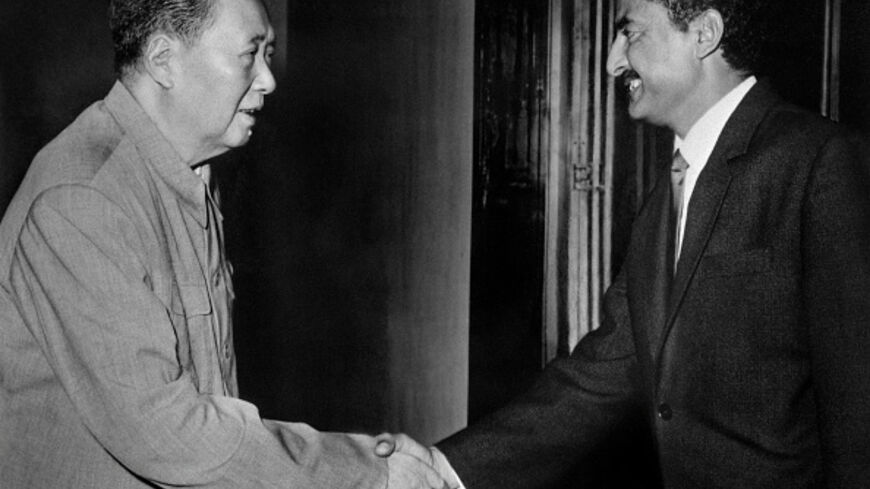
Inside the meeting sat the target of the assassination attempt: Mohammed Ali Ahmed, a South Yemeni leader who returned to the country in March after 18 years of exile in Britain. Ahmed fled the country after South Yemen lost the 1994 Yemeni civil war. In a July 12 interview with Al-Monitor, Ahmed said “peaceful struggle” is the way for southern Yemenis to achieve their rights. But Ahmed did not forswear returning to violence to achieve his goals.
“We don’t believe in violence,” Ahmed sfaid, “but if doors are closed on our peaceful paths, no one can keep us away from our cause.”
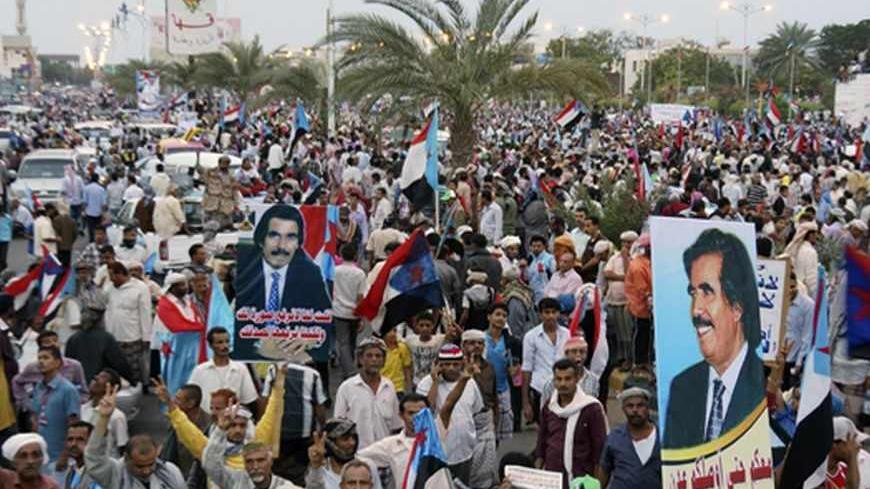
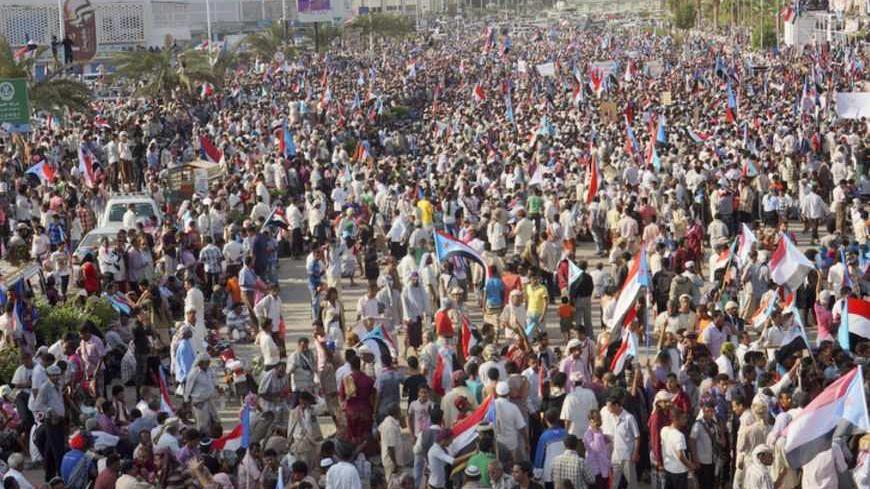
Before, Ahmed was governor of Abyan province, which is today a flash point in the war between the Yemeni army and al-Qaeda. Ahmed took part in the 1986 power struggle and clashes between Socialist Party leaders — today regarded as one of the bloodiest periods in South Yemen's short history. Some even say Ahmed was, in effect, the president of South Yemen at that time. In addition to mobilizing tribes to fight against al-Qaeda in the Arabian Peninsula (AQAP) in Abyan, Ahmed is now working to regain what he calls “southern independence” from the north, which he calls the “sacrificial cow” state, because in North Yemen, cows are sacrificed to settle tribal disputes.
AL-MONITOR All-Access gives you unlimited access to all our journalism, the full Daily Briefing, exclusive interviews, premium newsletters, and live events — for less than $2/week.