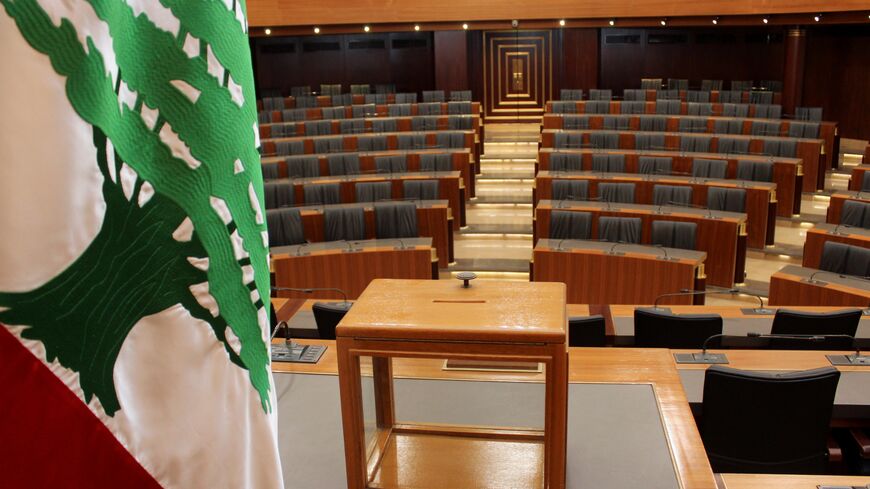
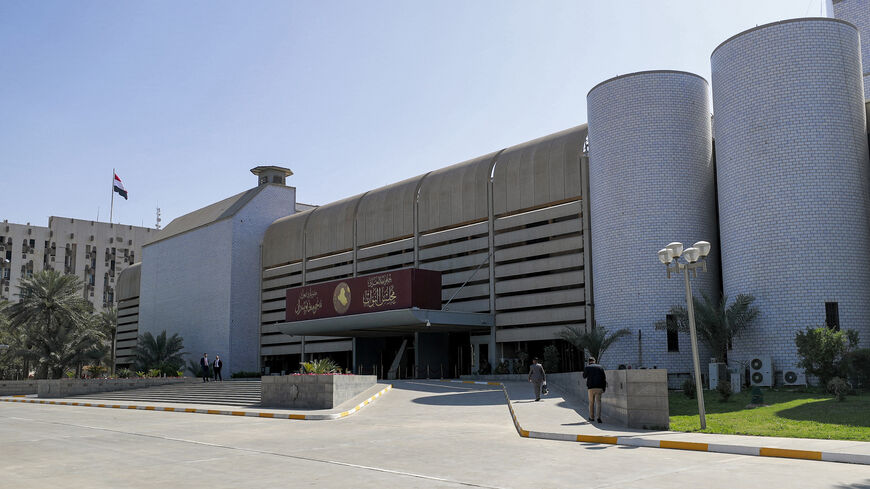
In Iraq, the issue of ratifying the general budget has outshone the deteriorating security situation and the escalating incidents in Anbar, since it is directly related to all aspects of the lives of citizens. The ratification has currently become an arena of conflict between the legislative and executive authorities.
That the parliament is insisting on not ratifying the budget until a consensus is reached over all the articles will not prohibit the government from disbursing the shares. This is what Prime Minister Nouri al-Maliki announced during his weekly speech on March 5, whereby he said, “We unanimously decided within the cabinet to disburse the amounts. This is our moral and constitutional responsibility, whether they ratified the budget or not.”
Parliament speaker Osama al-Nujaifi, however, accused Maliki of “violating the constitution,” warning against “the cabinet disbursing the budget prior to the ratification of the parliament.” He said he considered “any decision to use the money prior the ratification as embezzlement.”
According to legal experts, the unilateral decision of Maliki to disburse the 2014 budget without consulting the parliament does not contradict laws and legislation. Maliki based his decision on the Financial Management and Public Debt Law No. 95 of 2004, which was signed by Paul Bremer, the administrator of the Coalition Provisional Authority.
AL-MONITOR All-Access gives you unlimited access to all our journalism, the full Daily Briefing, exclusive interviews, premium newsletters, and live events — for less than $2/week.