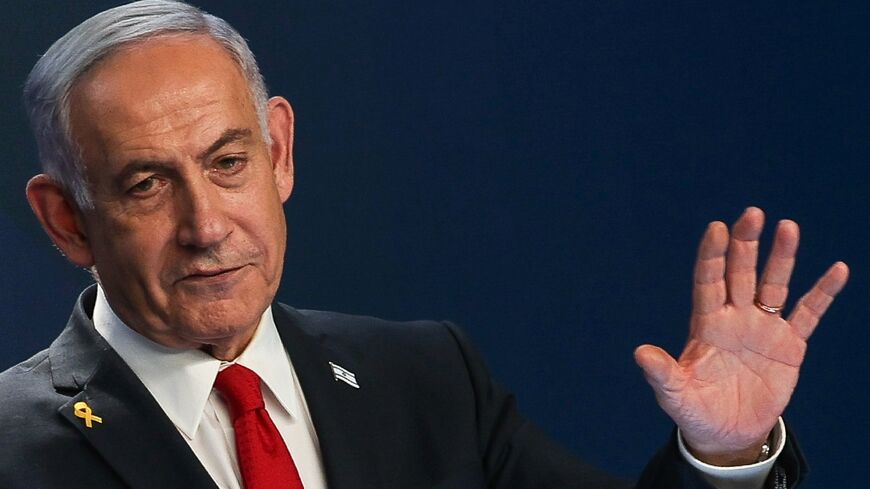
After a series of political squabbles and legal impediments, Finance Minister Yair Lapid was able to get his Zero VAT Law approved by the Knesset Finance Committee Nov. 12. Lapid's achievement was described by his political rivals and several economic commentators as a murky political deal, harmful to the public interest.
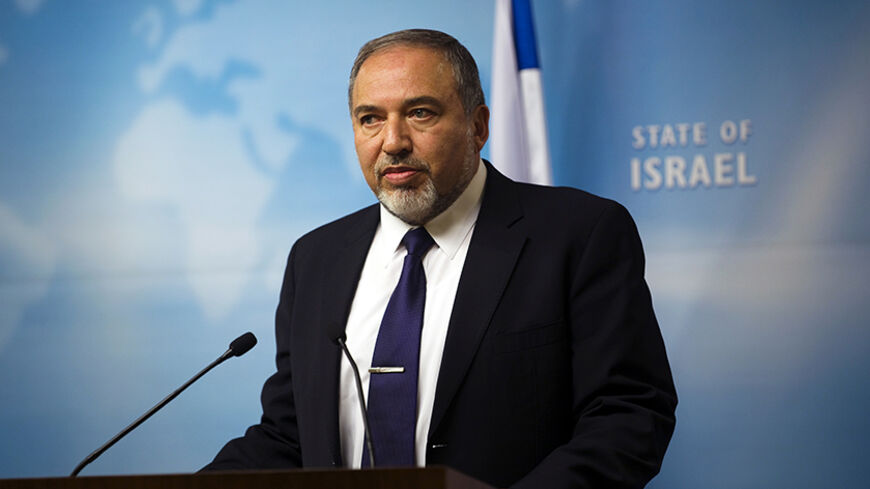
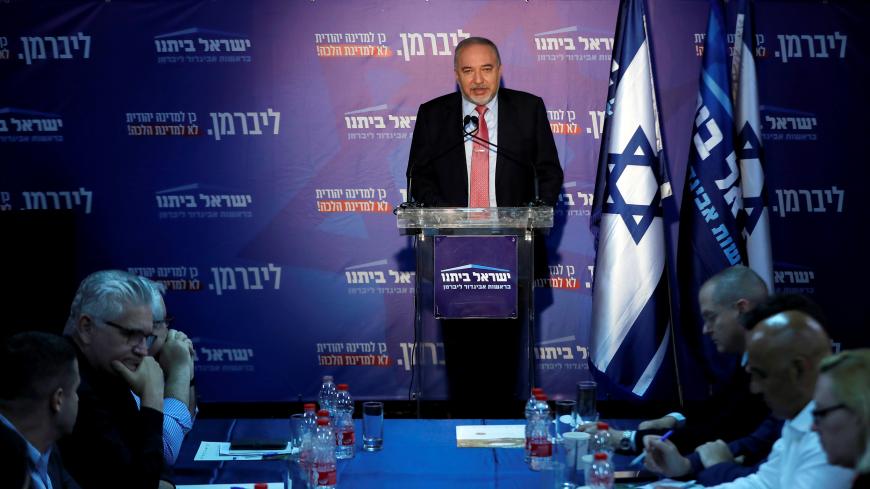
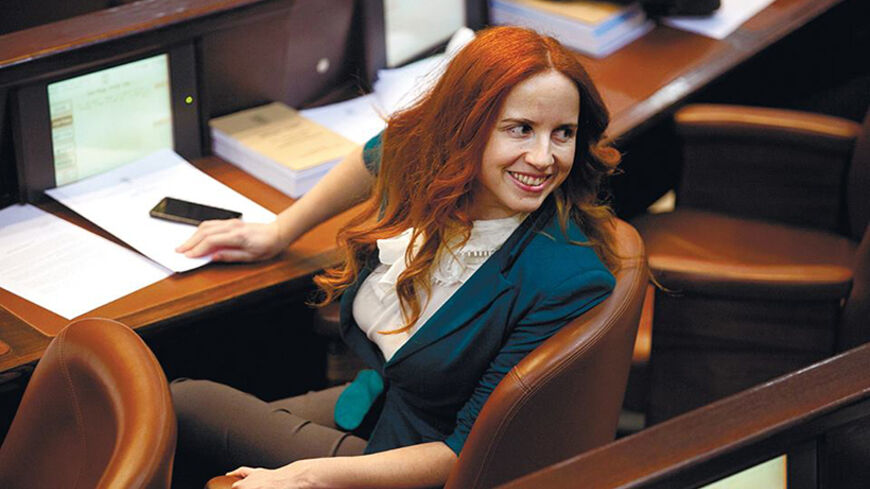
The real commotion erupted, though, after it was learned that the law’s approval was made possible by a deal between Lapid and Yisrael Beitenu Party Chairman Avigdor Liberman. According to that deal, Yisrael Beitenu’s representatives in the Finance Committee would support the law, and in exchange the Finance Ministry would forgo taxes on medical tourism, which would have brought an additional 130 million shekels (about $34 million) into state coffers. Those taxes were among the reforms advocated by Health Minister Yael Gorman to rehabilitate the country’s public health system.
Lapid’s flagship law as finance minister eliminates value-added tax for people purchasing their first apartment. Opponents of the deal contend that Lapid was able to rescue his law from oblivion by sacrificing a reform intended to limit the phenomenon of unsupervised medical tourism to Israel.
What did Liberman get out of this? It was a major achievement for the Russian sector, which forms the core of his constituency — voters whose relatives come to Israel for medical treatment in the country’s private hospitals.
AL-MONITOR All-Access gives you unlimited access to all our journalism, the full Daily Briefing, exclusive interviews, premium newsletters, and live events — for less than $2/week.