Erdogan continues to consolidate power
Turkey remains a parliamentary system under its present constitution, but there is little preventing President Recep Tayyip Erdogan from taking steps to fulfill his ambition of becoming the country’s paramount leader.
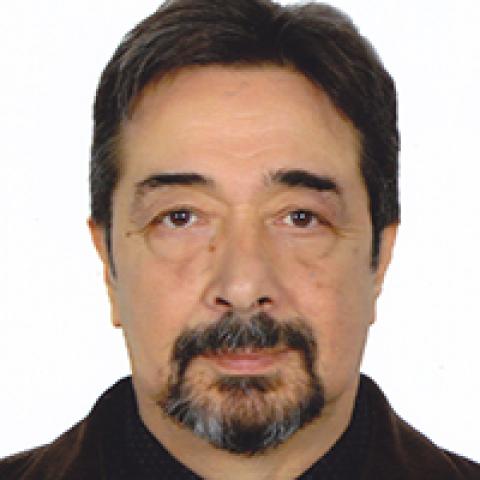

Turkish President Recep Tayyip Erdogan’s latest moves, from the “shadow cabinet” he is establishing, to the crackdown on the Gulen movement’s media outlets — which he is believed to have instigated — show that he is consolidating his power to fulfill his dream of becoming Turkey’s paramount leader for the next decade.
Erdogan, however, does not have it all his way yet, even if the present constitution can be tweaked by him to legitimize his exercise of executive powers. Drafted under military tutelage following the coup on Sept. 12, 1980, the current constitution retains articles that enable the president to monitor and head the Cabinet, for instance.
The constitution, nevertheless, defines Turkey as a parliamentary system in which executive power is vested in the prime minister and his Cabinet. This appears set to remain an annoyance for Erdogan, if not a hindrance, unless the constitution can be amended.
As matters stand, the opposition uses every occasion to highlight Erdogan’s authoritarian tendencies and his disdain of the separation of powers principle, and to snipe at Prime Minister Ahmet Davutoglu as a mere instrument of the president’s will.


