Despite paying taxes, many Jerusalemites still without basic services
The Jerusalemites residing in the areas outside the Israeli West Bank barrier suffer from a lack of basic services, which the Jerusalem municipality is supposed to offer in return for the taxes residents pay.
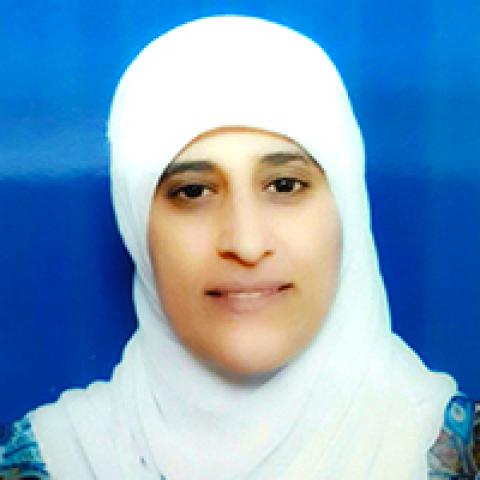

JERUSALEM — After Hanadi Yaacoub, a Jerusalemite from Beit Hanina in East Jerusalem, married a West Bank resident, she had to move to the Kafr Aqab neighborhood. Kafr Aqab is located outside the Israeli West Bank barrier that surrounds and separates Jerusalem from the West Bank. She moved because her husband could not live with Yaacoub in Jerusalem because he does not hold a Jerusalem ID. If Yaacoub lives in the areas that do not fall under the Jerusalem municipality’s jurisdiction, she will lose her Jerusalem ID.
Kafr Aqab is under the jurisdiction of the Jerusalem municipality, which requires a proof of residency in the Jerusalem municipal boundaries to preserve the Jerusalem ID. It is located outside the Qalandia checkpoint. West Bank residents cannot cross this checkpoint, which is why Yaacoub settled in Kafr Aqab, outside the checkpoint, so that her husband can move freely.
Although Yaacoub pays the Jerusalem municipality arnona — the municipality tax — she is denied the services that are supposed to be provided to the residents, namely public services such as education, health care and waste disposal.
Yaacoub told Al-Monitor, “We live in this neighborhood without receiving any services; there are no waste dumps, no garbage men and garbage is piling up in front of the houses, there are no playgrounds, no kindergartens and there aren't enough schools in the neighborhood.”


