Iraq's disabled lack basic help
The number of Iraqis with special needs is growing in light of ongoing wars and sectarian conflicts, while they face a lack of adequate physical and psychological rehab centers.
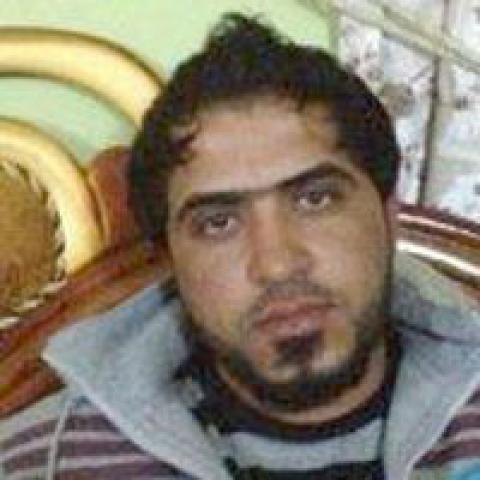

BABIL, Iraq — Civil activist Fatin Alobeidi posted on her Facebook page Sept. 8 a photo of Ahmad al-Jaf, a homeless old blind man who has no family. In the photo, the man is sitting on the side of Jisr al-Shuhada (the Bridge of Martyrs) in Baghdad.
Jaf’s situation is not much different from that of many other disabled people in Iraq. According to 2014 statistics from the Association of Short Statured People and People with Special Needs, there are about 4 million disabled people in Iraq. They face neglect and isolation and take on strenuous occupations; dire poverty leads these disabled people to street begging.
Al-Monitor looked for these disabled persons and examined the living conditions of some of them, including Saad al-Dabisi, 55, from Babil, who lost his left foot on a mine while fighting in east Basra during the Iran-Iraq War (1980-88).
Dabisi said that the $150 per month pension the Ministry of Labor and Social Affairs pays him is not enough to support his wife and three children, which forced him to sell cigarettes to pedestrians.


