Are ultra-Orthodox taking over this secular Israeli city?
Residents of the southern city of Arad are worried about the Gur ultra-Orthodox sect members who are constantly buying apartments there.
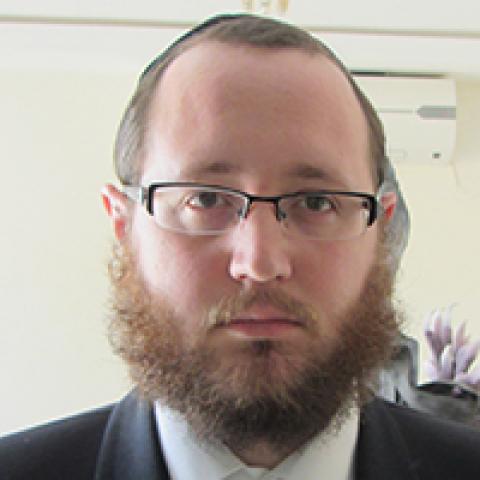

The Israeli media have been covering a recent conflict in the southern town of Arad over a local synagogue. On one side are ultra-Orthodox Arad residents affiliated with the Gur Hasidic sect, and on the other side are longtime Arad residents, mostly secular, who claim that Gur Hasidim forcibly took over the synagogue. More specifically, the residents claim that the Gur people took over the main Ashkenazi synagogue that was open to all Arad residents for them to celebrate bar mitzvahs, circumcisions and other Jewish events. The Gur people blame locals for forcefully entering the synagogue and disturbing a prayer service. The struggle brought out the ultra-Orthodox sect, encouraged by the Gur Hasidim, to protest all over the country claiming that the synagogue was violated.
In fact, the conflict runs deeper. For several years, tension has escalated between Arad's ultra-Orthodox and secular residents.
The city of Arad was established in 1962, and is located on the border of the Judean Desert and the Negev, east of Beersheba. In the course of the years, many immigrants from Ethiopia and the former Soviet Union were housed in the city. In the early 1980s, an organized group of Gur Hasidim came to live there because of inexpensive housing. Today, the ultra-Orthodox account for 20% of the local population, out of 25,000 residents.
"In the beginning their presence here was very positive," attorney Uri Arviv, a 32-year-old Arad resident, tells Al-Monitor. "But in recent years we've seen attempts to take over the city. We have no problem with the ultra-Orthodox. We have excellent relations with the Chabad [ultra-Orthodox] community and with the national religious public. The problem is that the Gur Hasidim have been trying to change the character of the city, where in addition they've created a kind of internal autonomy here."


