Families of Kurdish journalists slain in suspected Turkish drone strike in Syria want their remains
Ankara’s refusal to repatriate the journalists' remains underscores the political stakes of acknowledging the drone strike.
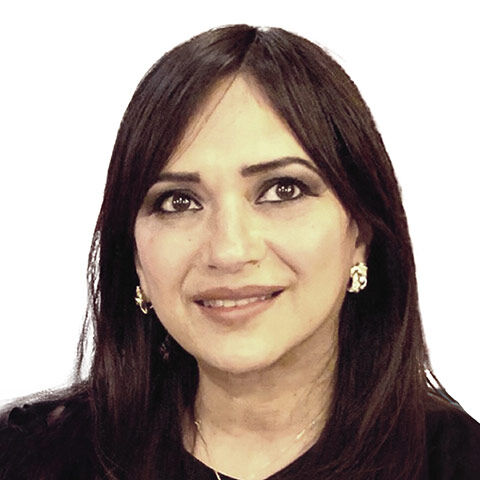

QAMISHLI/PARIS — Katibe and Nesim Bilgin have only one wish: for the remains of their daughter, Cihan, who perished in a suspected Turkish drone strike in northeast Syria, to be brought home to their native town of Midyat and laid to rest. But the government of Turkish President Recep Tayyip Erdogan continues to deny them such solace, because allowing her body to be repatriated would require issuing a death certificate establishing the cause of her death in an airstrike. Should it be proven that a drone operated by the Turkish military deliberately targeted her — as Syrian Kurdish authorities insist it did — this would amount to a war crime for which Turkey could be tried before an international tribunal, rights advocates say.
“All we want is our daughter’s remains, even if it’s just her bones, before they disappear altogether,” her father, an unemployed Kurd, lamented this week. “My wife is stricken with sorrow, her heart is giving up,” Bilgin told Al-Monitor in broken Turkish.
Cihan, a 26-year-old reporter for the Syrian Kurdish Hawar News Agency, and Nazim Dastan, a 33-year-old freelancer, were killed on Dec. 19, when an unmanned aerial vehicle struck their car in the Sirrin district near the city of Kobani on the Turkish border. The pair had been covering fighting between Turkish-backed Sunni factions and the Kurdish-led Syrian Democratic Forces (SDF) for control of the Tishreen Dam, which had been raging since the fall of the Assad regime that month. Sunni militants, who were first to arrive at the scene of the blast, circulated footage of what appeared to be Cihan’s lifeless body lying on the side of a road. Black smoke belched from a nearby vehicle as a flock of sheep trundled past. An autopsy report issued by local authorities said Cihan had died as a result of “losing body parts in an explosion.” The SDF said in a statement that her head was detached from her body. The statement did not name any perpetrators.
The next day, Bilgin and two lawmakers from the pro-Kurdish DEM party went to Turkey’s border with Iraqi Kurdistan, planning to cross at Fish Khabur into northeast Syria, where they planned to fetch Cihan and Dastan’s remains. The Syrian Kurdish authorities made all necessary preparations for the handover, only for Bilgin to be denied entry to Iraqi Kurdistan by Turkish border police. “They made us wait for four days. It was torture,” Bilgin recalled. “In the end we told the Rojava people to bury our children, and we returned without them,” he said, using the term commonly used to refer to the Kurdish areas of Syria.


