Iran war deepens Gaza crisis as prices soar, aid falters
Gazans fear that Israel could exploit the wider regional war to reenter Gaza, especially as buffer zones along the border continue to expand and civilians are targeted to keep them away.

As the world’s attention remains fixed on the war in Iran, Gaza's humanitarian crisis has intensified, with civilians facing relentless Israeli strikes, mounting casualties, severe shortages of food, water and fuel, and soaring prices on the limited aid that does reach the enclave.
More than 72,253 Palestinians have been killed since Israel launched its war on Gaza following Hamas’ Oct. 7, 2023 attacks, according to local authorities. Roughly 2 million people remain displaced.
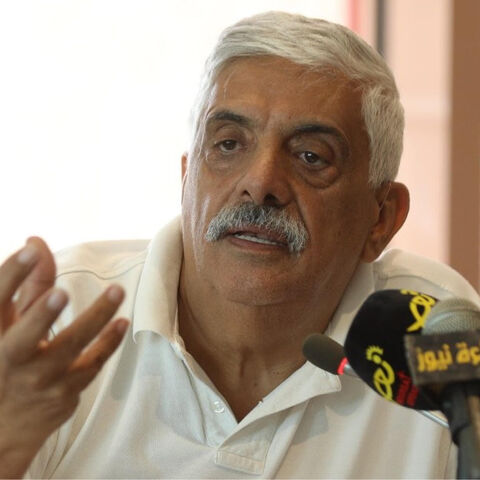
Mohammad El Halabi, a Gaza engineer who worked for years as the director of World Vision’s office in Gaza, told Al-Monitor that food supplies within Gaza are available, but prices remain high because Israel allows goods to enter only intermittently and through a limited number of traders. “Coordination fees for the entry of goods on both the Israeli and Egyptian sides have also increased. A kilogram of tomatoes still costs between 20 and 30 shekels ($6.40 and $9.60), a carton of eggs fluctuates from 35 to 60 shekels ($11 to $20), and the same applies to all fruits and vegetables.”
Regarding the security situation, Israeli attacks continue despite a ceasefire reached in October 2025, with civilian casualties occurring almost daily in targeted areas. “The police and internal security forces maintain control despite repeated attacks against them,” Halabi said. “They are now operating more in civilian clothing, but police stations and courts have resumed operations.”


