Europe’s West Bank trade ban fires warning shot at Israel’s economy
Weeks before key Israeli elections, a dozen nations announced new trade restrictions targeting settlements in the West Bank, delivering a sharp rebuke to Israel's government that could presage additional international pressure.


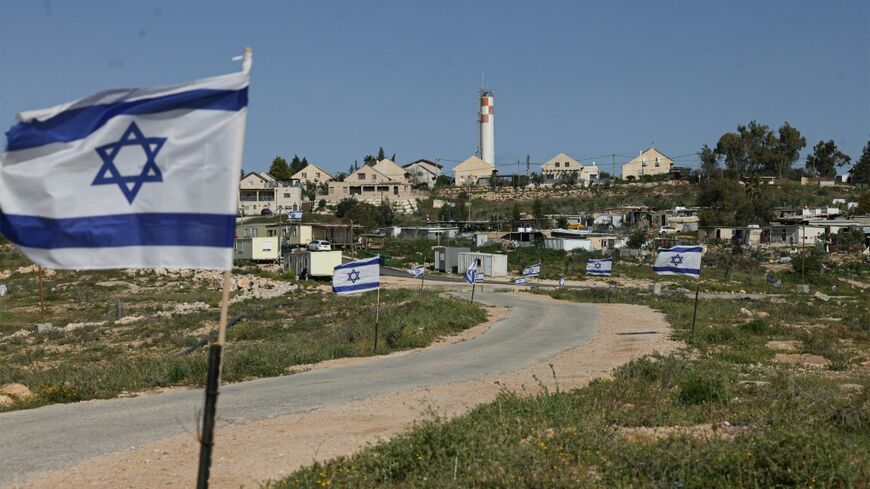
Israel’s West Bank settlements are facing new international pressure at a pivotal moment. Weeks before key Israeli elections, a group of 11 European nations and Canada announced new trade bans and sanctions targeting settlements in the West Bank — delivering a sharp rebuke to Prime Minister Benjamin Netanyahu’s far-right government amid spiraling violence in the occupied territory.
The immediate economic impact of these measures on the ground is likely to be limited and face implementation challenges, due to the extremely small volume of trade at stake. “Sanctions will have negligible effect when enacted and will not be felt,” Eran Yashiv, a professor of economics at Tel Aviv University, told Al-Monitor.
But after years of European leaders condemning settlements with little corresponding collective action, these restrictions still mark a significant policy shift among key Israeli allies and trading partners — and could represent a warning shot for Israel’s economy.
Crucially, say experts, the joint decision to target these settlements, which are illegal under international law, could create conditions for growing diplomatic and economic pressure to spark a chain reaction that could deepen Israel’s international isolation. The risk lies in the precedent set by this European pressure campaign and whether it presages actions directly targeting Israel’s trade relationships. That includes the EU-Israel Association, a treaty giving Israeli goods preferential access to European markets. The European Union accounted for 31.7% of Israel’s goods trade in 2025, with two-way goods trade worth $50 billion.