From sanctions relief to deterrence: How Iran reads US elections
Iran's negotiators now view US elections through the lens of political pressure and the costs of conflict, while even Javad Zarif frames diplomacy as part of deterrence.


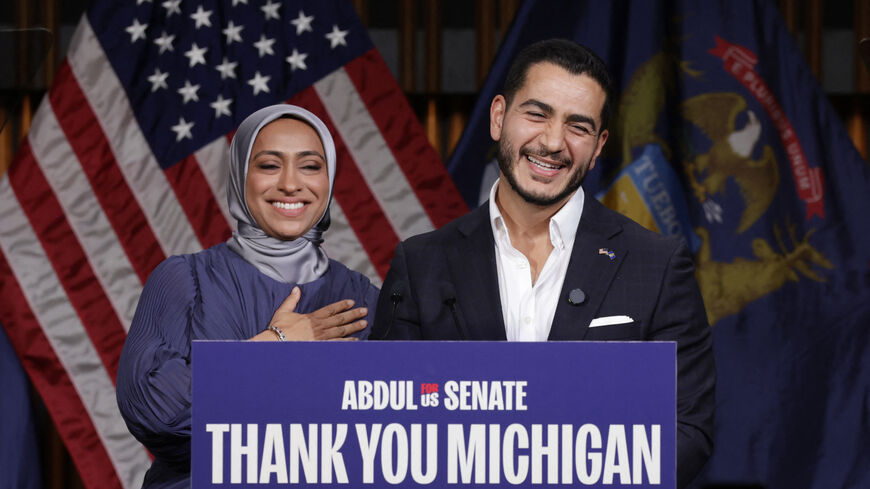
On Nov. 4, after Democrats won control of both the House and the Senate in the US midterm elections, Iran's parliamentary speaker and chief negotiator, Mohammad Bagher Ghalibaf, posted a message on X declaring that Americans had rejected the war, whether out of conscience or concern about living costs, and warned that Washington would face a nightmare if it ignored the voters' message.
The previous day, Deputy Foreign Minister Kazem Gharibabadi insisted that Iran neither tied its policy to foreign elections nor adjusted its positions accordingly. Yet other officials had openly watched the calendar. At the September UN General Assembly, President Masoud Pezeshkian urged Washington to return to the June memorandum of understanding before the vote: "We don't want it to get to the midterm elections." Around the same time, Mohsen Rezaei, secretary of Iran's Supreme National Security Council, pointed to signs of electoral defeat in US President Donald Trump's UNGA remarks.
These positions are less contradictory than they appear. Ghalibaf did not interpret the result as an opening for improved relations or sanctions relief, but as a constraint on Washington's willingness to wage war.
What has changed is the significance of American elections inside Iran, reflecting a broader shift in what negotiations are expected to achieve. Under former President Hassan Rouhani, engagement promised sanctions relief, investment and economic development. Following the June 2025 Twelve-Day War with Israel and the broader US-Israeli military campaign that began in February 2026, Tehran's negotiators now focus on ending the current conflict and preventing another.