Sadr's sudden retirement shakes up Iraqi politics
Iraqi cleric Muqtada al-Sadr, leader of a major Iraqi Shiite force, shocked the country by dissolving most of his political operation.
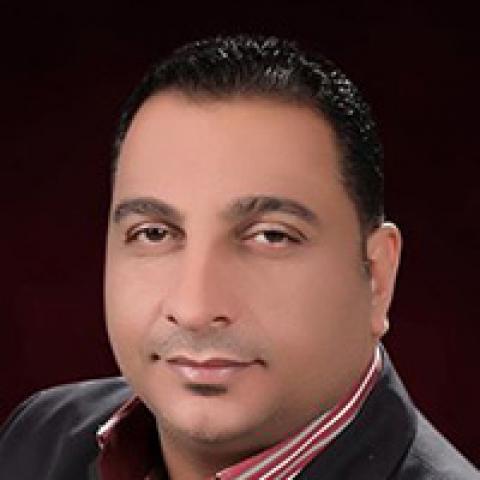

Iraqi cleric Muqtada al-Sadr has decided to retire from politics and has cut his relationship with the political and organizational representatives belonging to his movement. The political situation in Iraq has a new twist.
The surprise caused by Sadr’s statement issued on the evening of Feb. 15 was met with confusion by the political elites close to him. They heard of the decision through the media — and so did Sadr’s grassroots supporters, the Iraqi political parties and the general public.
Sadr announced in a brief statement that he was closing all his offices and entities in Iraq, that he was cutting his relationship with his political representatives in the government and parliament and that he was retaining 19 cultural and charity institutions, which are run under his direct supervision.
Although the statement did not give clear reasons for this decision, there were signals alluding to its motives such as “ending corruption” in the name of Sadr's offices inside and outside Iraq, “ending the suffering of the Iraqi people,” disengaging from “politics and politicians” and saving the reputation of the Sadr family, which is revered.


