Iraqis call to end sectarian quotas for some ministries
Iraqi intellectuals and trade unionists have called for the appointment of qualified people to head government ministries rather than relying on sectarian quotas.
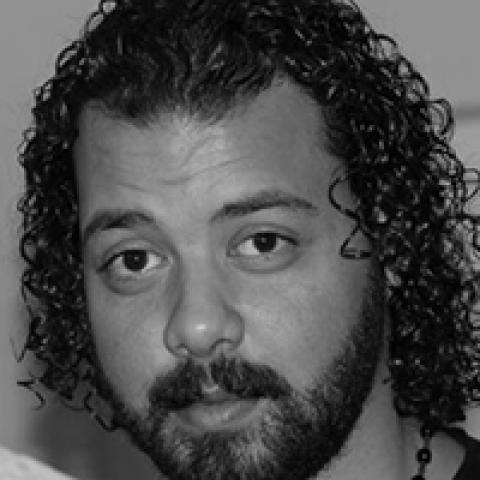

On Aug. 21, intellectuals and trade unionists met in a hotel in central Baghdad for a conference calling on Prime Minister-designate Haider al-Abadi, who's tasked with forming a new government, to exclude some ministries from sectarian quotas. In 2003, the political blocs agreed to a quota system, with each faction having appropriate representation, and have continued to use it to this day.
Moving away from sectarian quotas will be difficult. The negotiations on the government were obstructed when some political blocs, including the Sunni-dominated National Union of Forces, demanded an increase in their share of the ministries. In addition, movements and campaigns launched by youth and civic organizations do not seem to be having any significant effect on changing the process of forming governments.
According to Razak Mhaybes, a parliamentarian for the Shiite National Alliance and member of the Badr Organization's parliamentary bloc, “Moving the ministries away from sectarianism is impossible,” he said. “The political blocs refuse ministries being staffed without their members.”
Some intellectuals and civil activists argue that excluding the Ministry of Culture, Ministry of Higher Education and Ministry of Youth and Sports from the sectarian quotas, and appointing qualified people from outside the political blocs to run them, will contribute significantly in building future Iraqi generations. It would also give intellectuals a greater role in the political process.


