Iraqi youths embrace religious traditions
In the historic towns of Babil and Karbala, religion has come to determine every aspect of social life.
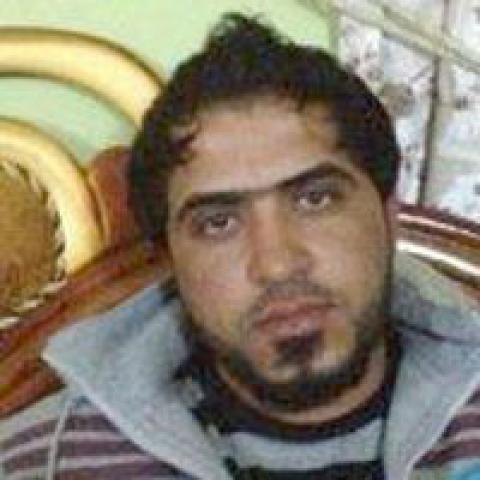

BABIL, Iraq — When Ayman Hussein is not at the University of Babylon pursuing a degree in engineering, he spends his time receiving religious lessons in Shiite Islamic jurisprudence, known as fiqh. Hussein, 30, is always busy reading the Quran or visiting the mosque throughout the day to pray. He listens to a variety of religious programs online and via satellite TV, and whenever he has the time, he goes to preaching councils, such as the Husseiniya councils, to attend Quran reading sessions and events commemorating the martyrdom of Shiite Imam Hussein ibn Ali.
Hussein spends his time in an almost continuous cycle of religious activities. He told Al-Monitor, “Even when I commute to university, the bus that I [take] with my peers has the radio tuned to religious poems and Quranic verses. … Each weekend, the same bus drives us to holy places in Karbala and Najaf as part of the contract with the driver.”
It has become commonplace among Iraqi youths to practice religious rites, memorize Quranic verses and adopt chaste physical appearances, such as wearing beards and black shirts. These trends show that youths have been subsumed by the religious wave sweeping through Iraq and the region that has prompted an Islamization of daily life.
Further highlighting this conservative shift, no artistic events — such as concerts and other performances — are taking place in Iraq.


