One woman's journey from prisoner to mayor
Diyarbakir Mayor Gultan Kisanak is among thousands of activists who served time in Diyarbakir prison after the coup in 1980, and like many she was tortured for refusing to renounce her Kurdish identity.
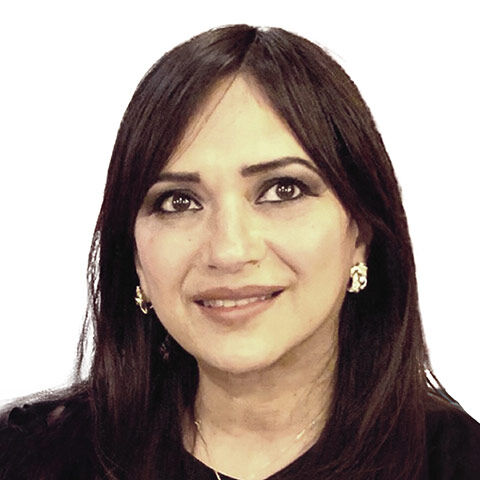

Gultan Kisanak is the first female mayor of the southeastern city of Diyarbakir, which is widely seen as the unofficial capital of Turkey’s Kurds. Kisanak is among thousands of political activists who served time in Diyarbakir prison after the Turkish army’s coup in 1980. Like many, she was tortured for refusing to renounce her Kurdish identity. Prior to being elected mayor last year, Kisanak was a member of parliament for the pro-Kurdish People's Democracy Party.
Kisanak spoke to Al-Monitor about life as a woman in the Kurdish movement.
Al-Monitor: How did you get drawn into politics?
Kisanak: I was born into an Alevi Kurdish family in Elazig. My father was active in the trade union movement. We were leftists, and I grew up in an environment where politics and the Kurdish issue were discussed over breakfast, lunch and dinner. My family’s roots lie in Dersim. They belong to one of the great Alevi Kurdish tribes known as the Auchens. Like many Alevi Kurds, our branch of the family moved to Elazig before the 1938 massacres inflicted by the Turkish army. We lost many relatives and I spent much of my childhood listening to survivors’ tales of the horror and the pain of those terrible times.


