Iraq's Gypsy communities face discrimination
Iraq’s Gypsy communities must lead clandestine lives to avoid persecution by the wider society in Iraq, particularly at the hands of religious extremists and conservatives.

The Gypsy village of Fawar is located about 20 kilometers (12 miles) from Diwaniyah. Prior to 2003, Fawar had strong links with its surroundings. However today, visiting this village has become risky because people are suspicious of whoever goes there and visitors are accused of looking for sex and Gypsy dance parties.
The atmosphere surrounding the village has changed since 2003, when Saddam Hussein's regime was overthrown following the US occupation. An air of hostility and conservatism now characterizes and prevails in the village.
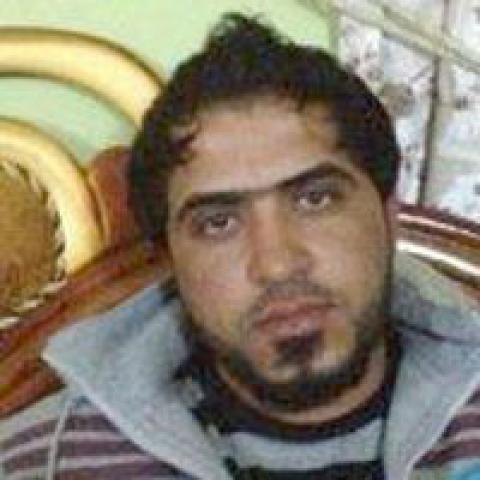
In Diwaniyah, which is 193 kilometers (120 miles) south of Baghdad, Al-Monitor met a 47-year-old Gypsy, who refused to give his real name and who referred to himself as Abu Falah. He explained the Gypsies’ situation in the village, saying, “Since 2003, the village hasn’t been as alive as it used to be. Its people have been displaced due to poverty and lack of services. Many are forced to beg or resort to prostitution and throw sex parties, in secret, in light of the social persecution they suffer and since conservatives often shun them because they believe they are immoral.”
Abu Falah added, “Many of the village’s women and men emigrated after 2003 to Syria, Lebanon and Jordan, where they worked at parties and nightclubs. … “There are only around 150 Gypsies in the village today, while before 2003 their number reached 2,000."


