Iraq maintains neutrality in regional conflicts
On a visit to Washington, Iraqi Prime Minister Haider al-Abadi leveled criticism at Iran and Saudi Arabia, reflecting his desire to maintain a neutral position in their regional rivalry.
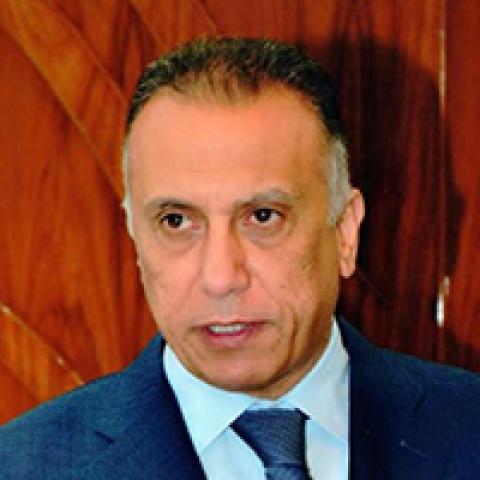

It appears that neither Iran nor Saudi Arabia, the two rival parties to the proxy and direct wars in the Middle East, was satisfied with the signals sent by Iraqi Prime Minister Haider al-Abadi during his visit to Washington April 14-17. Abadi criticized the showy demeanor of Gen. Qasem Soleimani in presenting himself as the leader of the battle for Tikrit, saying of Iran’s military involvement in the Iraqi crisis, “I am extremely upset with what is happening, and I voiced my concerns to the Iranians.” He prefaced this remark by noting, “Iraqis do not accept the fact that some people say they are working on their behalf.” Abadi also stressed the importance of the image of the government, stating, “The people have to believe that democracy can triumph.”
Abadi also made sharp comments about Saudi Arabia's attitude toward Iraq, noting Riyadh's failure to take serious steps to improve relations, including pointing out that the Saudis have not yet opened an embassy in Baghdad. He also questioned Operation Decisive Storm, the Saudi-led military intervention in Yemen, asserting that the operations there are not logical and wondering aloud, “What are the objectives behind the military operation?”
In light of the current situation in the region, it would be impossible to satisfy all parties and actors. Iraq's stated neutrality toward regional events and noninterference in the Saudi-Iranian conflict beyond its borders does not please either party.
The Saudi-Iranian conflict is clearly being played out in Syria, Lebanon, Bahrain and most recently Yemen. Thus, Abadi’s criticism of both countries’ roles in Iraq carries many implied messages. Most important, it indicates Baghdad's intention to remain neutral in regional conflicts. Iraq has major crises to deal with — namely, fighting the Islamic State (IS) to recapture swathes of land seized by the extremist group — and therefore cannot afford to be drawn into other state's issues.


