Will Abadi's reforms work?
Iraqi Prime Minister Haider al-Abadi approved major reform measures for the country, but challenges, especially when it comes to implementation on the ground and within state institutions, still stand in the way.
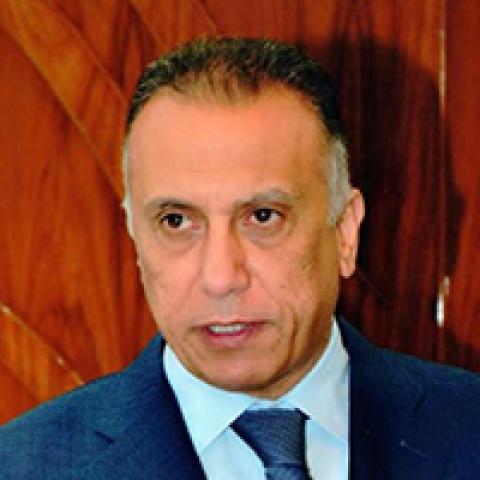

The Iraqi parliament voted Aug. 11 to approve Prime Minister Haider al-Abadi and parliament Speaker Salim al-Jabouri’s economic, political and administrative reform measures in response to the demands of the Iraqi street.
These measures include doing away with the positions of vice president of the republic and deputy prime minister, ending special allocations for the presidency, governmental bodies and institutions, reopening past and current cases of corruption and placing them under the supervision of a supreme committee to combat corruption, and tasking a number of judges to investigate the cases and prosecute corrupt persons.
The reforms also included major measures such as reducing the number of ministers, ending sectarian and party quotas for top government positions, energizing the judiciary to prosecute corrupt officials and limiting law enactments. This followed unprecedented, mounting anti-government protests that carried major weight among Iraq’s politicians.
People have been calling for the realization of their demands for some time. Protests took place on more than one occasion in various cities, including demonstrations in Dhi Qar province south of Baghdad in February 2014 that called for improved services, especially electricity. Thousands of protesters also took to the streets in Basra on Aug. 7, 2014, demanding reform and the fight against corruption.


