Hussein al-Sheikh, Abbas protege named Palestinian VP, draws mixed reactions
Sheikh’s rise to vice-chair of the PLO and vice president of the State of Palestine signals a potential shift in leadership, but his controversial past and complex political alliances leave the future of his role uncertain.
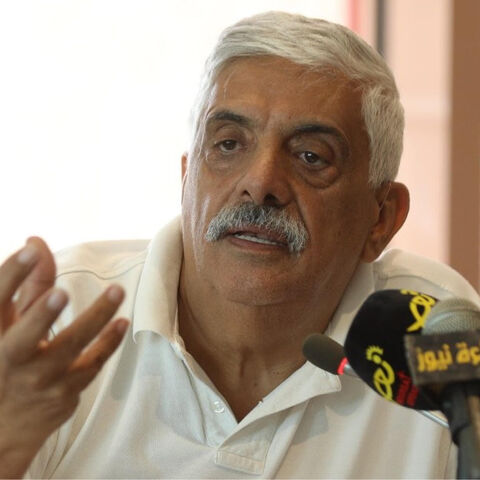

The future of Hussein Sheikh, the newly elected vice-chair of the PLO’s Executive Committee and vice president of the State of Palestine, remains uncertain. These roles effectively position him as a likely successor to Mahmoud Abbas, placing him in the line of leadership even as questions loom over whether Sheikh — a figure entangled in controversies and generally viewed with skepticism by large swaths of the Palestinian population — can succeed in leading the Palestinian cause in the long shadows of former President Yasser Arafat and, to a lesser extent, Abbas.
Unlike many prominent figures in the Palestinian leadership, Sheikh, a native of the occupied territories and a former prisoner in Israeli jails, is not a typical homegrown leader and may represent a new generation following Arafat and Abbas, both of whom grew up outside the occupied territories. Sheikh spent roughly ten years, from 1978 to 1988, in an Israeli prison as a young man — an experience that shaped both his political worldview and his reputation among Palestinians. It is unclear why he was imprisoned or whether he was charged with any crime.
Backed by the powerful Fatah Central Committee and alongside Majed Faraj, the head of the Palestinian intelligence apparatus, he has the most potential to influence Palestinian politics. Supporters hope he can leverage his relationships with Israel — including his past role coordinating with Israeli security authorities — to safeguard Palestinian national aspirations or, at the very least, to slow the escalating crisis in the West Bank and Gaza.
Divisive path ahead


