Don't strike a deal with Iran's current leaders, opposition figure Pahlavi warns


By Nathan Layne
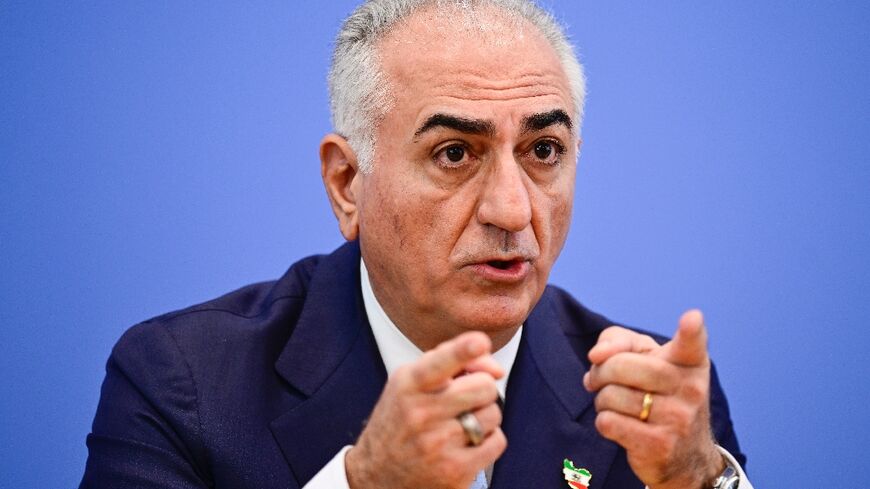
GRAPEVINE, Texas, March 28 (Reuters) - Iranian opposition figure Reza Pahlavi on Saturday warned that negotiating for peace with the current leaders of Iran would only push the threat to Americans down the road, and said he would once again call for Iranians to protest in the streets.
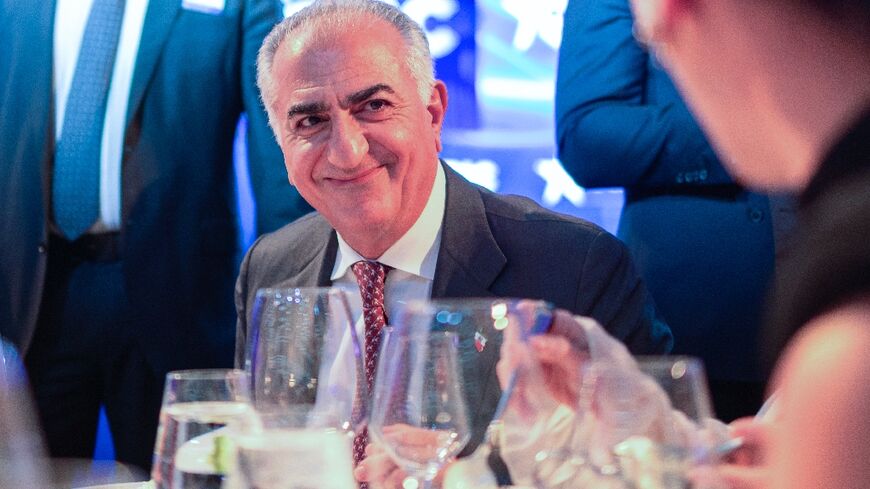
Pahlavi, the exiled son of Iran’s ousted shah, was warmly received during his address to the Conservative Political Action Conference in Texas, an annual gathering of Republican activists and lawmakers. He drew a standing ovation as he took the stage, and his pledges to help liberate the Iranian people sparked enthusiastic rounds of applause from conservatives and Iranian Americans in the audience.
Citing President Donald Trump's comments earlier this month that he was pressing ahead with attacks on Iran because he did not want to confront security threats from the country “every two years," Pahlavi warned that negotiating with Iran’s current leadership would mean doing exactly that.
"The only thing that the remnants of this regime can be relied on to do is to buy time, to cheat and to steal. They will never be honest or true partners for peace," Pahlavi said.
"It will buy time, it will pretend to negotiate, and then it will return to its old jihadist ways of threatening America, its security and its interests."
Pahlavi, 65, has promoted himself as the most viable option to lead a transitional government and expressed readiness to return to Iran at the earliest opportunity, ending a 47‑year absence from the country.
But Iran's opposition is fragmented among rival groups and ideological factions, and Trump has repeatedly expressed skepticism about Pahlavi as a potential leader, suggesting that someone from inside Iran might be better.
With global energy prices rising and his approval ratings slipping, Trump is confronting stark choices after a month of war with Iran: strike a potentially fragile deal and exit, or escalate militarily and risk a prolonged conflict.
Pahlavi sought to link his cause to American security and business interests. He drew raucous applause when he asked the crowd to imagine Iran moving from chants of “Death to America” to “God bless America,” and pledged that a free Iran would offer vast economic opportunities for the United States.
At several points during the speech, Iranian Americans in the audience chanted “long live the king.”
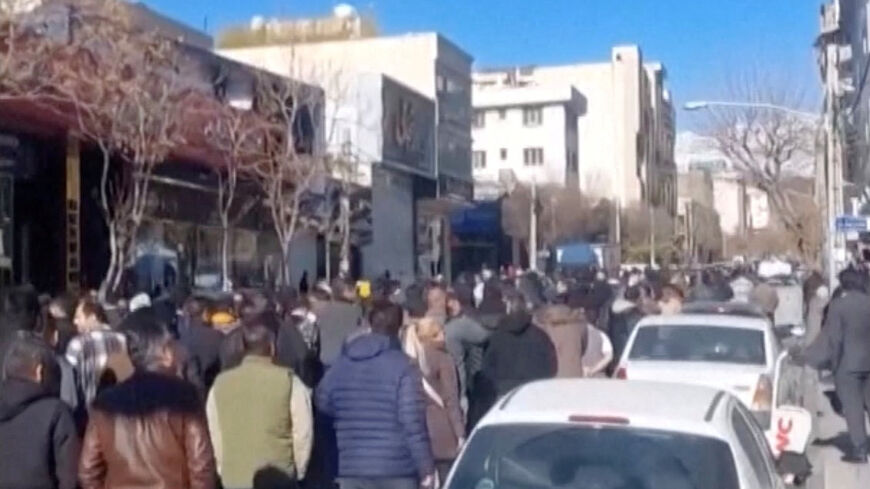
Pahlavi, who called for sustained nationwide protests in Iran in January, said that "when the right moment arrives" he would "call on them to rise up again" in an effort to "reclaim their homeland, their dignity and their future."
(Reporting by Nathan Layne in Grapevine, Texas; Editing by Chizu Nomiyama )