Ali Khamenei: Key moments from his life

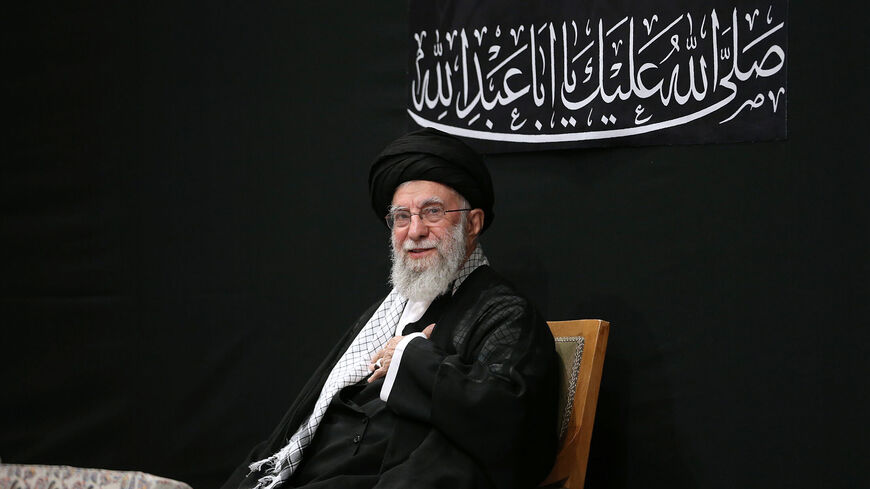
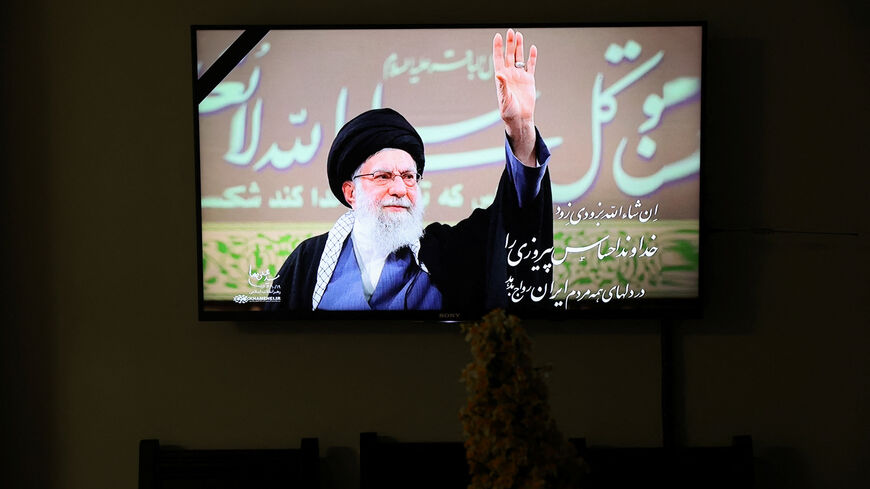
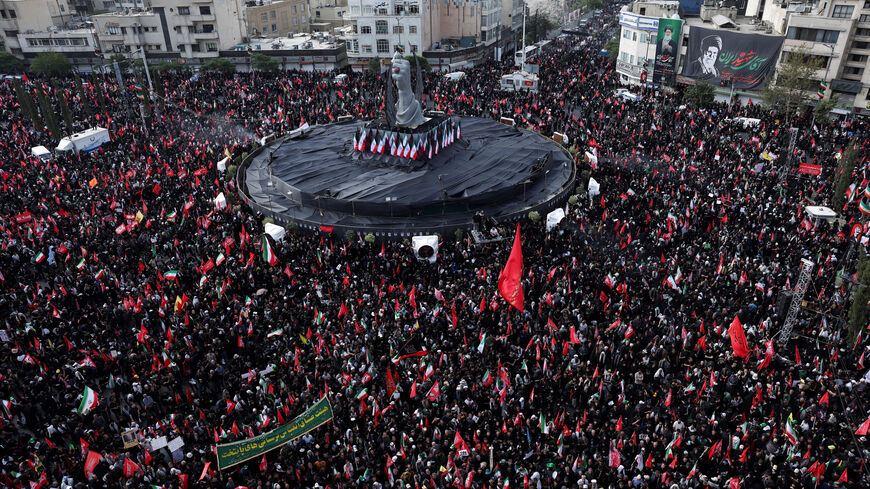
Iran's former supreme leader Ali Khamenei, who was killed in US-Israeli attacks in late February, is due to be buried on July 9 in the northeastern city of Mashhad.
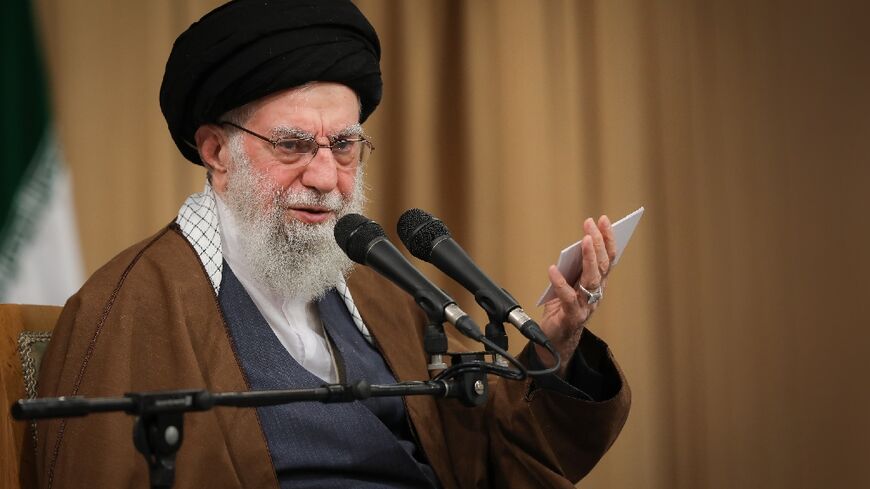
During nearly 36 years as Iran's supreme leader, Khamenei oversaw some of the most significant moments in the history of the Islamic republic.
Here are key milestones in his life and leadership:
- Early life -
Khamenei was born on April 19, 1939, in the shrine city of Mashhad, where he later requested to be buried.
He studied at religious seminaries in Mashhad before continuing his education in the holy Iraqi city of Najaf and the religious centre of Qom.
- Revolution -
According to his official website, Khamenei first met the founder of the republic, Ayatollah Ruhollah Khomeini, decades before the 1979 Islamic revolution that toppled US-backed shah Mohammad Reza Pahlavi.
He later joined the revolutionary movement and was repeatedly arrested by the authorities, spending periods in detention and exile in remote areas of southeastern Iran.
- Presidency -
Khamenei served as Iran's third president from 1981 to 1989 during the Iran-Iraq war.
In June 1981, before becoming president, he survived a bombing claimed by the Mujahedin-e Khalq group, when an explosive device concealed in a tape recorder detonated during a speech.
- Leadership -
Following Khomeini's death on June 3, 1989, the Assembly of Experts clerical body convened an emergency session and named Khamenei interim leader.
After constitutional amendments removed the requirement that the supreme leader be a "marja", or senior religious authority, the assembly formally elected him as the Islamic republic's second supreme leader in August that year.
- Protests -
In 2009, nationwide protests posed the first major social challenge to Khamenei's leadership, when supporters of former prime minister and presidential candidate Mir Hossein Mousavi took to the streets, accusing election winner Mahmoud Ahmadinejad of vote rigging.
Dozens of people were reported killed during the unrest. Mousavi and his wife have remained under house arrest ever since.
A decade later, Iran faced another wave of demonstrations over a rise in fuel prices.
Hundreds of people were reported killed and authorities imposed a nationwide internet shutdown.
In 2022, another protest movement followed the death in custody of Mahsa Amini, a young Kurdish woman arrested for allegedly violating the dress code.
The unrest became one of the largest challenges to the Islamic republic, lasting for months. Hundreds of people, including members of the security forces, were reported killed.
In December 2025, another wave of protests over rising prices began and peaked in January. According to authorities, more than 3,000 people died.
- Nuclear case -
In 2015, Iran agreed a landmark nuclear deal with six big powers that placed limits on its nuclear programme in exchange for sanctions relief.
Western governments said the agreement was designed to prevent Tehran from developing a nuclear weapon, an objective Iran has consistently denied pursuing.
But in 2018, Donald Trump walked away from the agreement and reimposed sanctions on Tehran during his first term as US president.
- Soleimani -
In January 2020, the US killed top Iranian general Qasem Soleimani -- who led the Revolutionary Guards' foreign operations arm, the Quds Force -- in Baghdad.
Iran retaliated with missile strikes on bases in Iraq hosting American forces.
Khamenei was seen crying during Soleimani's funeral.
- Wars -
Arch foes for decades, Iran and Israel exchanged direct fire for the first time in June 2025 after Israel struck military and nuclear targets in the Islamic republic.
Tehran responded with salvos of missiles and drones during the 12-day war, which also saw brief US involvement before a US-announced ceasefire halted the fighting.
More than 1,000 people in Iran, including senior commanders, and dozens in Israel were killed.
Khamenei vowed a "harsh response" against Israel.
Less than a year later, on February 28, the US and Israel launched a joint military campaign against Iran with a strike on a leadership compound.
The attack killed Khamenei along with several senior military officials, including Guards chief Mohammad Pakpour and security chief Ali Larijani.
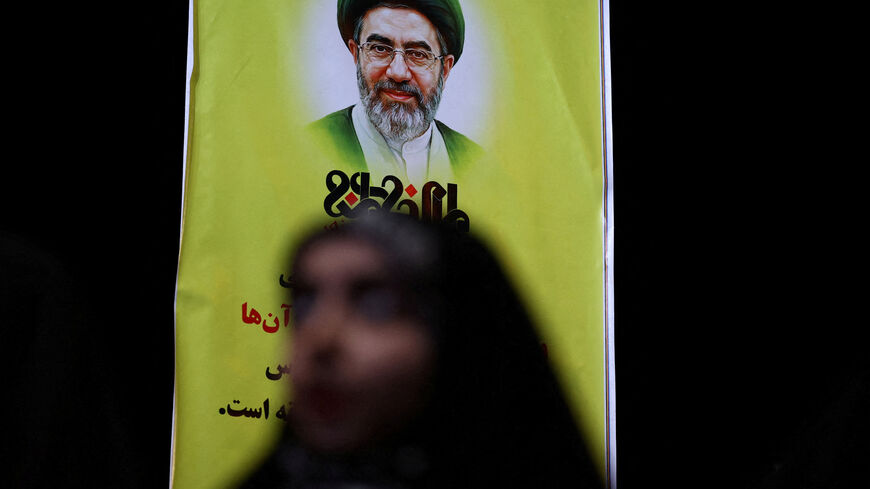
The Assembly of Experts appointed Khamenei's son Mojtaba as his successor in March.