Hormuz shipping risk raised to severe after tankers hit, reviving U.S.-Iran tensions


By Andrew Mills, Maha El Dahan, Jonathan Saul and Marwa Rashad
DOHA, July 7 (Reuters) - A Qatari LNG tanker was at risk of exploding and a Saudi crude tanker was damaged near the Strait of Hormuz on Tuesday, sending oil prices higher as maritime authorities raised the threat risk for vessels transiting the waterway to "severe."
The attacks also disrupted a fragile détente between Washington and Tehran in place since late June, when the two governments agreed to reopen the crucial strait following the three-month war that throttled worldwide energy supplies. On Tuesday, the White House revoked a license it granted Iran to sell oil in an effort to ease tensions.
While traffic through the strait has picked up in the last week, it remains spotty, ranging between one-third and one-fifth of its pre-war levels.
Washington's decision to pull the license came with a warning to Iran that its actions in the strait were "wholly unacceptable" and would be met with consequences. The White House granted the license in June, easing decades-old sanctions as part of an agreement to reopen the strait.
“This is not a small step by Washington," said Brett Erickson, managing principal at Obsidian Risk Advisors. The revoked license "was one of the concessions Iran needed to justify lifting its blockade over the Strait of Hormuz."
The U.S. Navy-led Joint Maritime Information Center (JMIC) on Tuesday raised the threat level to transit the strait to "severe" from "substantial" following the attacks, citing deliberate hostile action likely under current conditions, the first time the threat level has been set at that severe status since June 15.
"The recent confirmed incidents highlight that the threat environment remains heightened and warrants extreme vigilance," JMIC said in a note, adding that mariners should expect continued naval presence, congestion along transit routes, and more intense hailing by the Islamic Revolutionary Guard Corps.
It is unclear whether the attacks will lead to another full-scale interruption of shipping traffic through the strait, which prior to joint U.S.-Israeli attacks on Iran on February 28 was used to transit about one-fifth of the world's oil and gas supplies.
The U.S. and Iran are still in the midst of broader talks about Iran's nuclear ambitions and its desire to control Hormuz; the United States wants to prevent Iran from acquiring a nuclear weapon. The two countries wrapped up a round of talks last week without a permanent agreement.
The latest developments challenge the oil market's assumption that the ceasefire will hold. Oil prices were up nearly 6% in post-market activity, with Brent crude nearing $76 a barrel.
"Iran’s attacks on three vessels since yesterday and the revocation of the Treasury waiver on Iranian oil sales signal that the ceasefire is not as solid and durable as the oil market has chosen to assume," Bob McNally, president of Rapidan Energy Group, said.
QATAR, SAUDI ARABIA BLAME IRAN
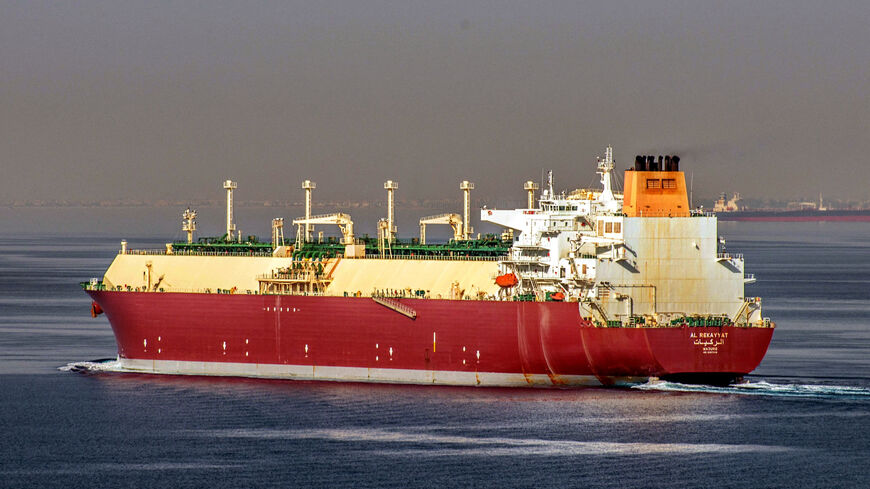
The Al Rekayyat tanker, loaded with liquefied natural gas, was hit on its port side, one source said, with another briefed on the matter adding the vessel was at risk of exploding due to a fire in its engine room. The crew were safe and were being evacuated.
Qatar's foreign ministry said Tehran bore full legal responsibility for the attack, and summoned the deputy Iranian ambassador to protest targeting of the tanker.
It is the first time an LNG ship from Qatar, a mediator in talks between the United States and Iran, has been struck since the start of the Iran war on February 28.
Nakilat, also known as Qatar Gas Transport Company Ltd, which owns the Al Rekayyat tanker, did not respond to requests for comment, nor did QatarEnergy, Qatar's international media office, and U.S. Central Command.
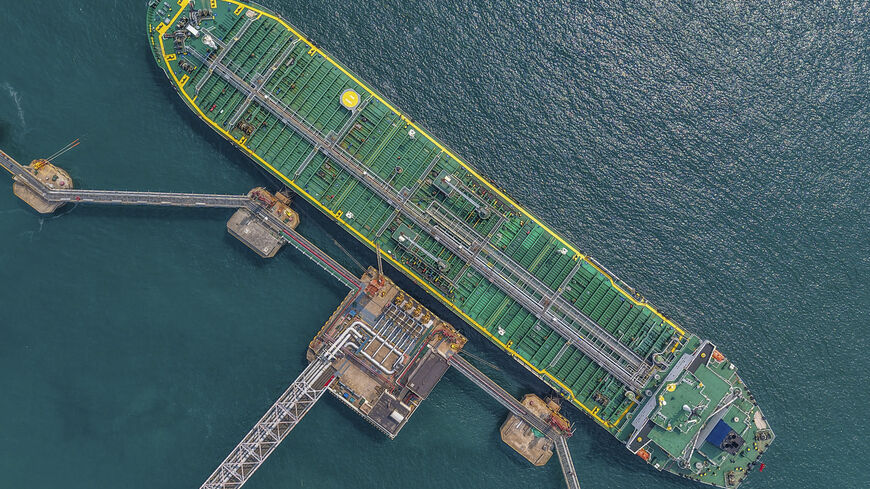
The Saudi-flagged Wedyan supertanker was also damaged off Oman's coast while transiting the strait. Saudi Arabia's foreign ministry condemned the attacks, saying it holds Iran fully responsible for the damage to the Wedyan, which is owned and managed by Saudi shipping firm Bahri. The firm did not respond to requests for comment.
Commercial vessels using uncoordinated routes with Iran or tampering with the ship's tracking face risks and disrupt Iran's efforts to facilitate safe passage in the Strait, Iran's Foreign Ministry spokesperson said, adding that the country was working on fulfilling its commitments.
About 16 vessels transited through the Strait of Hormuz on Tuesday, the lowest in nearly three weeks, data from ship tracking service Kpler showed.
Traffic through the strait has averaged 25 to 40 ships sailing daily in the last week, far lower than the daily average of 125 sailings before the conflict began.
"The start stop nature of the re-opening of Hormuz is continuing to inject volatility into Middle Eastern tanker markets since it is leading to the irregular flow of tankers through Hormuz in both directions," ship broker BRS said in a report this week.
There was no claim of responsibility for the attacks. A U.S. official, speaking on condition of anonymity, said initial indications were that Iran had fired at two commercial vessels.
In another incident later on Tuesday, a tanker was struck by a drone while transiting the strait, sustaining minor damage, but was able to sail to its next port of call, British Navy-affiliated agency UKMTO said in a report.
Average daily rates to load a ship inside the Gulf reached almost $300,000 a day, up from below $200,000 a day last week due to more sailings.
President Donald Trump said Monday the United States would either reach a deal with Iran or "finish the job," renewing his threat of military action as Tehran projects defiance following the funeral.
Talks to reach a final deal won't start if U.S. threats continue, Iran's foreign minister said on Tuesday.
(Reporting by Maha El Dahan, Jonathan Saul, Marwa Rashad, Andrew Mills, Jarrett Renshaw, Liz Hampton, Jasper Ward, Costas Pitas, Mrinmay Dey, Enas Alashray, Renee Maltezou, Menna Alaa El Din and Arathy Somasekhar; Writing by Yousef Saba and Jonathan Saul; Editing by Jamie Freed, Kate Mayberry, Ros Russell, Liz Hampton and David Gaffen)