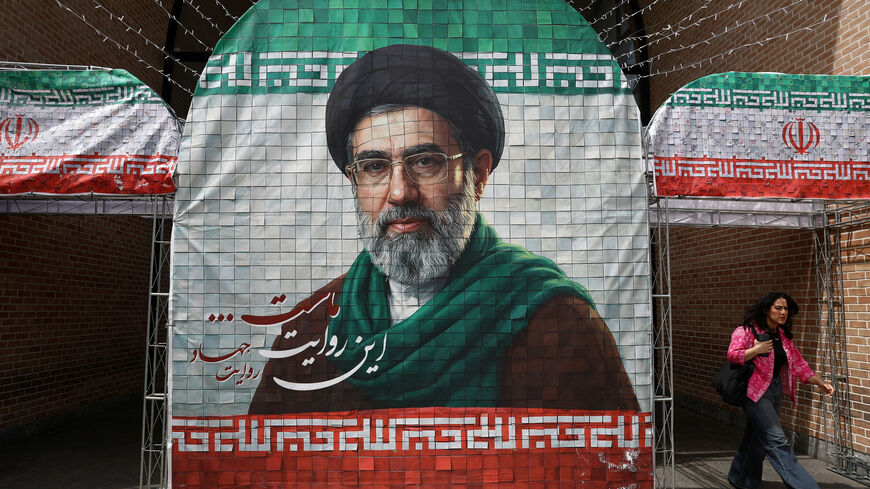
Trump threatens Iranian infrastructure after Houthis block Red Sea artery


By Ahmed Tolba, Yomna Ehab and Michael Martina
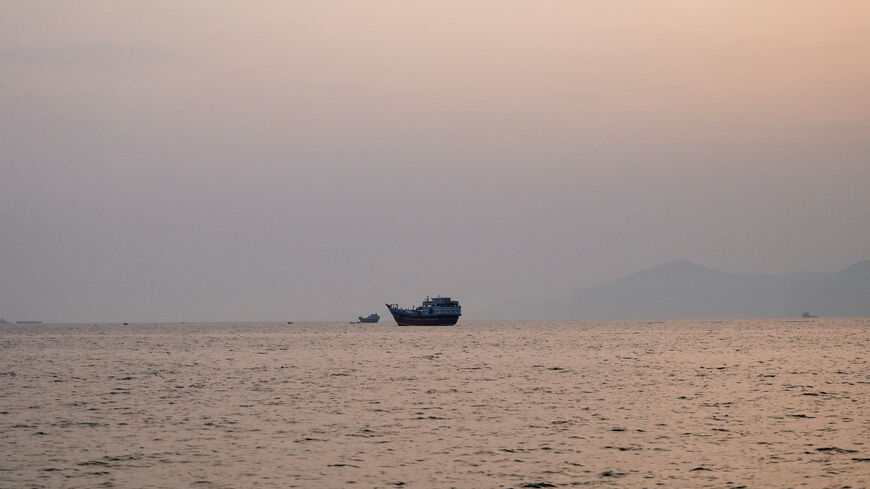
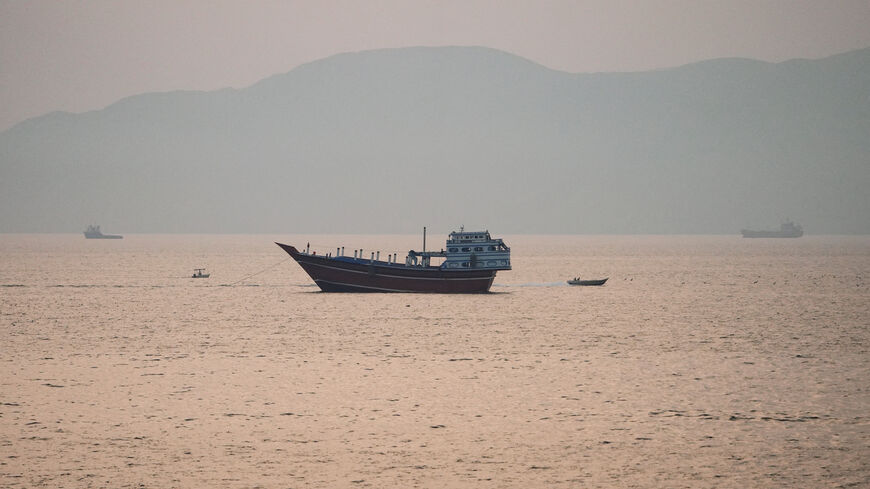
DUBAI/MANILA, July 22 (Reuters) - U.S. President Donald Trump vowed on Wednesday to destroy an Iranian bridge or power plant every time Iran shoots at a ship in the Strait of Hormuz, raising the stakes after Iranian-allied Houthis in Yemen threatened a second vital energy route.
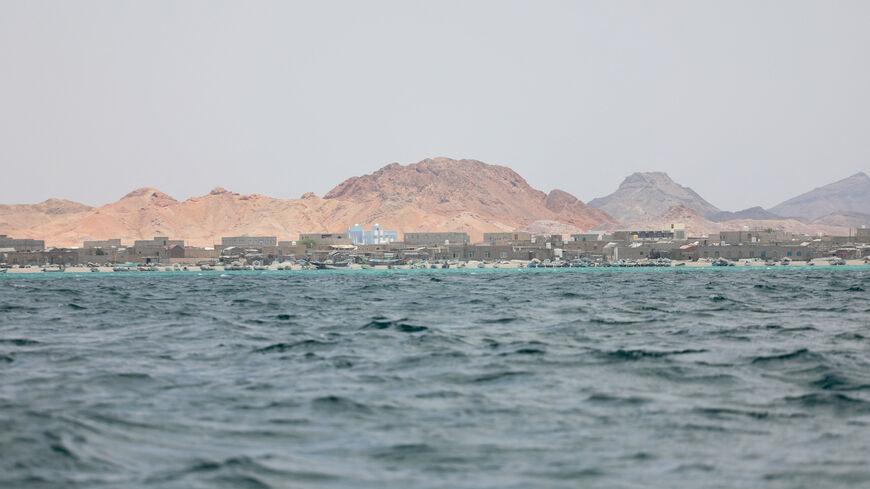
Five tankers changed course in the Red Sea to avoid the Bab el-Mandeb Strait on Wednesday, a day after the Houthi threat to block Saudi oil exports highlighted a new risk to global oil supplies from the escalating conflict. Three tankers loaded with Saudi oil for China and India made U-turns on Tuesday.
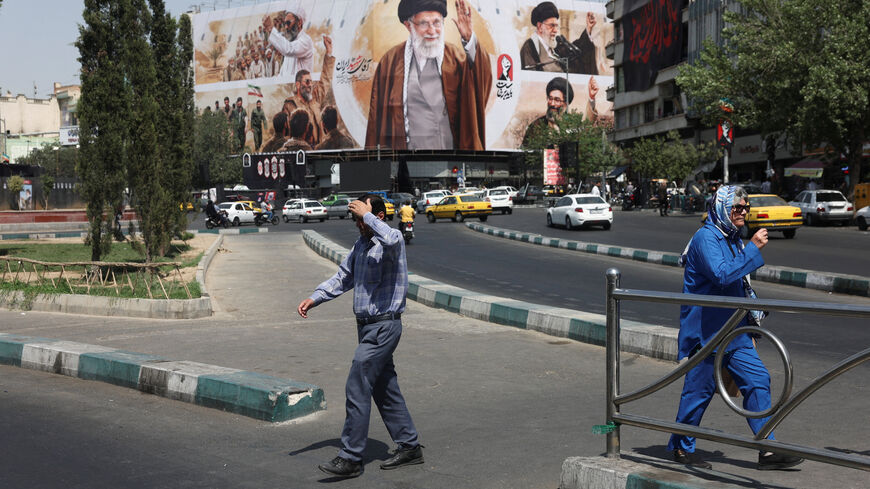
Iran's joint military command warned, according to state media, that if Trump's threat against infrastructure was carried out, Iranian forces would target regional oil, gas, electricity and economic infrastructure and prevent the export of "even a single drop of oil."
"Our defense doctrine is clear: eye for an eye. Any aggression against Iran, including our infrastructure, will compel a powerful and decisive response. Those who contribute to such aggression, whatever the kind of support, will also be considered as legitimate targets," Iranian Foreign Minister Abbas Araqchi said on X.
Iran's near-total blockade of the Strait of Hormuz has stoked inflation around the world, and the new risk to shipping from the Houthis, who control areas near the Bab el-Mandeb Strait, pushed oil prices to a near six-week high.
Brent crude futures hit more than $95 a barrel before easing back to settle just above $94 a barrel.
U.S. gasoline prices, which have weighed on Trump's poll ratings ahead of midterm elections in November, have climbed back over $4 a gallon.
Millions of barrels of Saudi oil per day have been heading to the kingdom's Red Sea port of Yanbu to avoid the Strait of Hormuz. If shipments cannot pass through the Red Sea's southern strait, they have only the northern route through the Suez Canal, which adds weeks to the journey and significantly raises freight and transit costs.
IRANIAN OFFICIAL SAYS TRUMP IS IN A QUAGMIRE
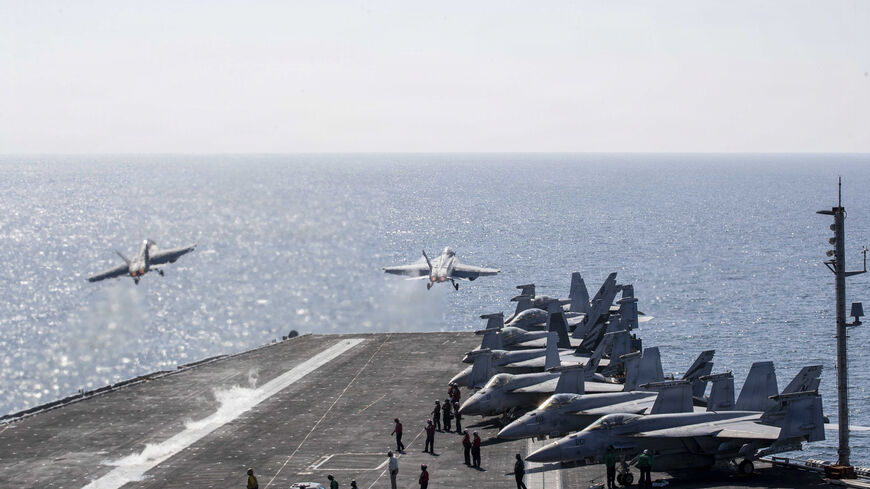
U.S. strikes have widened from the south to western and central areas of Iran. Iran pounded vital water desalination and energy plants in Kuwait this week and targeted U.S. military assets there, in Bahrain and in Jordan.
Iran strengthened its military in anticipation that its adversaries would break agreements, Army Commander-in-Chief Major General Amir Hatami said. Iranian media cited parliamentary National Security and Foreign Policy Committee spokesperson Hasan Qashqavi as saying Trump was in a "quagmire".
An Iranian health ministry official said 53 civilians had been killed and 592 wounded since late last month; the U.S. military has said it never targets civilians.
The war has led to the deaths of 18 U.S. service members and injured more than 450 troops. Trump attended a ceremony on Wednesday at Dover Air Force Base in Delaware for four U.S. service members killed in Iranian attacks on military bases over the last few days — three in Jordan and one in Iraq.
"For me it's one of the hardest things to do as a president. But it has to be done," he said before leaving for the ceremony.
IRAN AIMS TO STRENGTHEN ITS HAND FOR TALKS, ANALYST SAYS
Mediators have presented Iran with a proposal for a 10-day ceasefire, a senior Iranian official told Reuters on Monday. Analysts said the new threat to shipping from the Houthis was a tactical move by Iran.
"Tehran is trying to create leverage for a negotiation," said Mahmoud Shehrah, associate fellow, Middle East and North Africa Programme at Britain's Chatham House think tank.
The proposal aims to salvage an interim ceasefire agreement signed by Washington and Tehran in June. Iran's Interior Minister Eskandar Momeni visited Pakistan this week and asked it to continue its mediating efforts. Pakistan said on Wednesday that it would, but that the safety of shipping must be assured.
Iran has insisted on maintaining the control over the Strait of Hormuz that it established during the war, which the U.S. and Israel launched on February 28.
U.S. Secretary of State Marco Rubio said allowing Iran to have such control would set a dangerous precedent for the world, including Southeast Asia, where many countries have territorial disputes with China in the South China Sea.
Iran was not serious about talks, he said.
"If they're serious, we're serious. If they're not, then we will do what's necessary to protect our interests, and also the interests of our allies," he told reporters at a meeting of Southeast Asian foreign ministers in Manila.
EXPLOSIONS HEARD OVER TEHRAN, IRANIAN NEWS AGENCY SAYS
In the 11th straight night of U.S. bombing of Iran, Tehran residents reported explosions in the early hours of Wednesday from air defences activated over the capital, Iran's semi-official Fars news agency said.
Three locations in Iran's Bushehr province, home to Iran's only nuclear power plant, were hit, an official told Iran's state news agency IRNA, including an electricity post close to the plant. Iranian media also said the U.S. targeted locations in the central Hamadan province, giving no details.
Iran's army said it struck accommodation and storage facilities at the U.S. Al Azraq Air Base in Jordan, targeted warehouses and aircraft maintenance hangars at Sheikh Isa Air Base in Bahrain, and also targeted Camp Doha in Kuwait.
Reuters was unable to immediately verify details of the attacks. Jordan, Kuwait and Bahrain all said they had intercepted Iranian attacks.
(Additional reporting by Ahmed Elimam, Rick Noak, Susan Heavey and Reuters bureaux; Writing by Stephen Coates, Philippa Fletcher, Gareth Jones and David Morgan; Editing by Lincoln Feast, Andrei Khalip and Nia Williams)