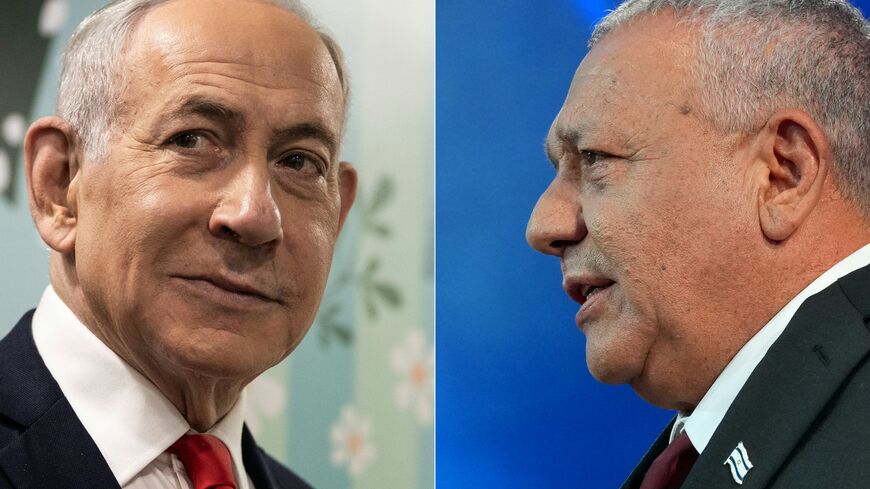
Israel's Eisenkot gains key endorsements, but Arab parties' role unclear
President Isaac Herzog has summoned party representatives for consultations starting Wednesday to decide whom to task with forming the next government.

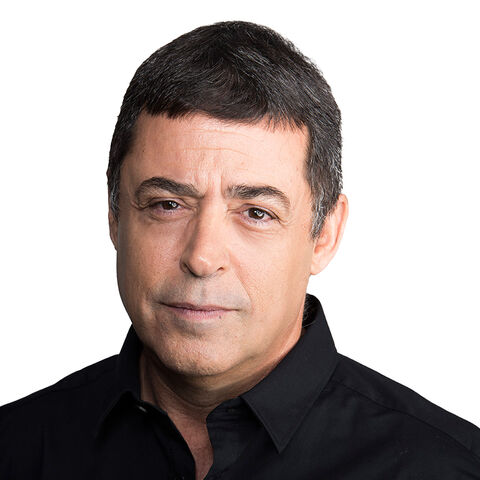
TEL AVIV — Opposition leader Gadi Eisenkot has secured the support of three opposition parties, an endorsement that may strengthen his bid to form the next government, though he remains short of the 61 Knesset members he would need.
The endorsements put Eisenkot, who leads the Yashar party, in a strong position on Wednesday, when President Isaac Herzog begins consultations with party leaders to decide whom to task with forming the next government.
Naftali Bennett, head of the center-right Together party; Avigdor Lieberman, leader of the right-wing Yisrael Beiteinu; and Yair Golan, head of the left-wing Democrats, have said they will recommend Eisenkot to Herzog. By doing so, they are signaling that they are not seeking the premiership themselves, a declaration they have so far been unwilling to make.
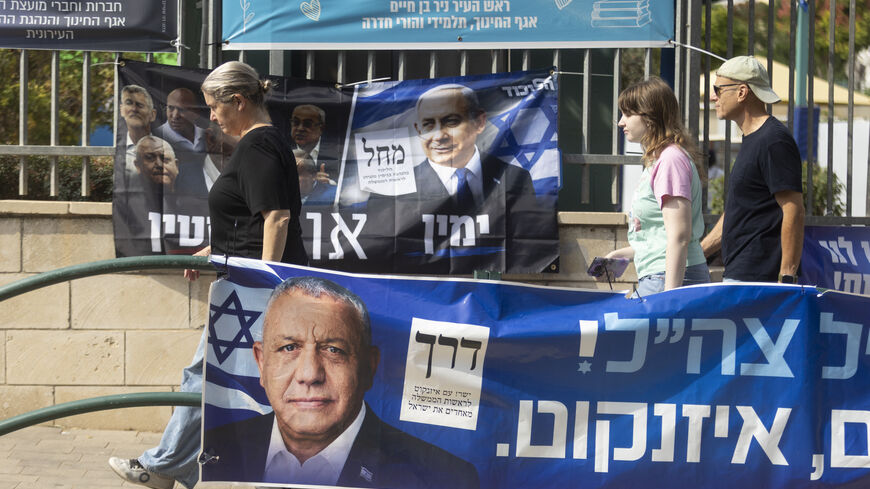
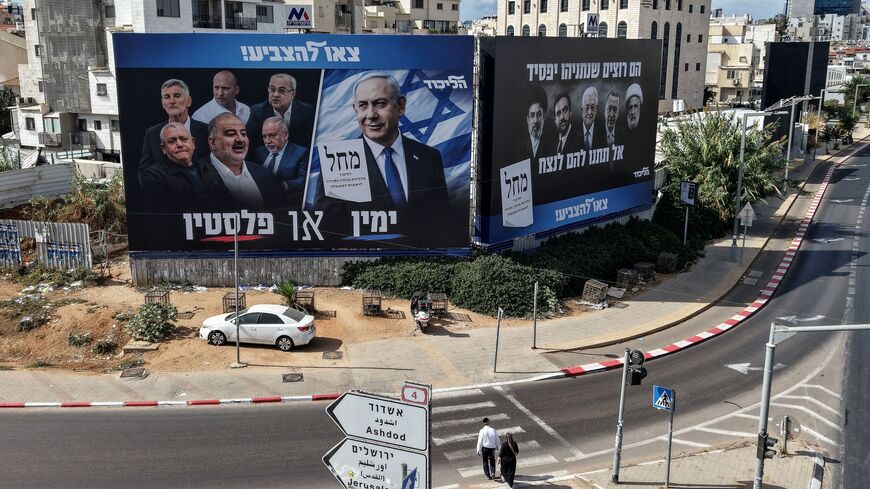
Yashar is the largest opposition party, with 21 seats, behind Prime Minister Benjamin Netanyahu’s Likud, which won 27. Netanyahu’s bloc of far-right and ultra-Orthodox parties holds 53 seats, also short of a majority. The Jewish-Zionist opposition bloc holds 48. The two Arab parties, the Joint List and Ra’am, together hold 19, which makes them pivotal to any path to 61.